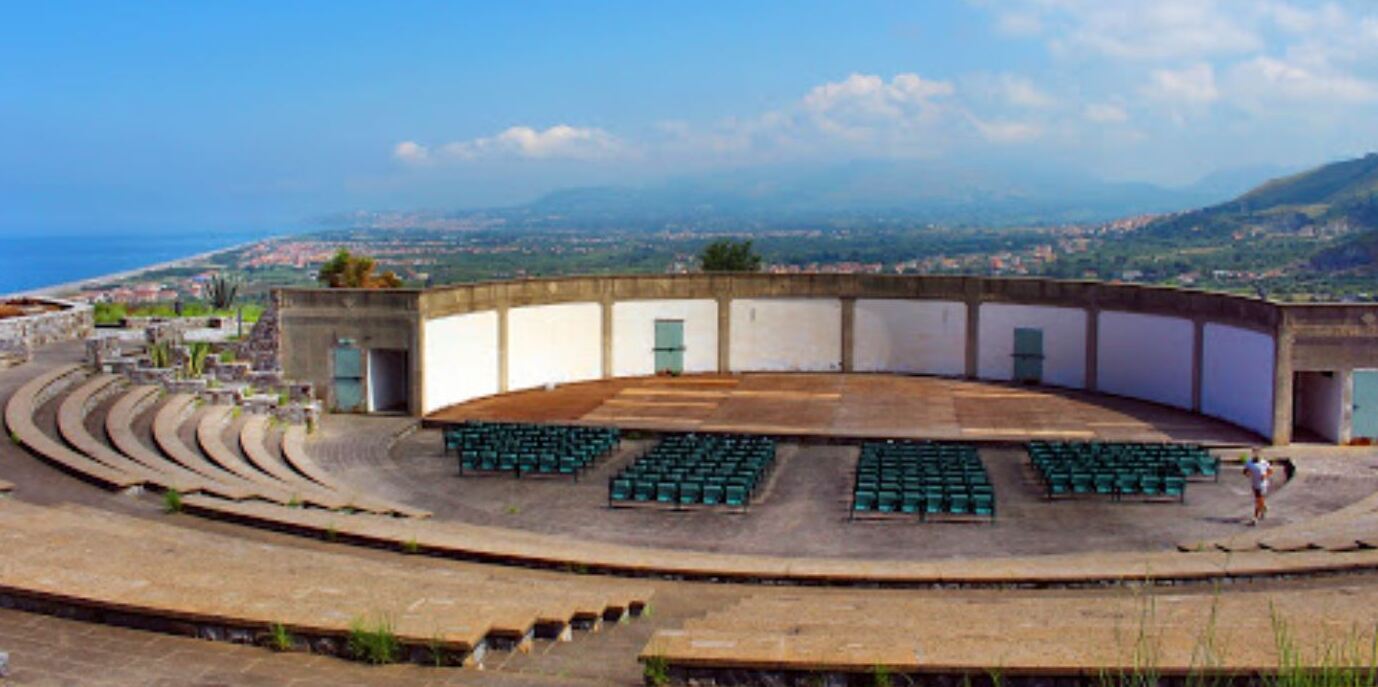

Nestled in the captivating landscape of the Calabria region, the Theatre of the Ruins of Cirella stands as a testament to the rich tapestry of history and culture that characterizes this area. This modern amphitheater, inaugurated between 1994 and 1997, was commissioned by the Municipal Administration of Diamante and designed by engineers Francesco Tucci and Francesco Cristofaro. Its strategic location near the archaeological site of ancient Cirella makes it a unique blend of contemporary artistry and ancient heritage.
### History and Origins
The origins of Cirella date back to Roman times, with ruins that whisper tales of its significance during the Roman Empire. Initially settled as a thriving community, the town became a refuge for the inhabitants of Diamante during the Saracen raids of the 9th century, when many sought shelter in the hills to escape invasion. This tumultuous past is woven into the very fabric of the theatre, which overlooks the remnants of the ancient village. The archaeological site features remnants of Roman villas, temples, and a Christian basilica, inviting visitors to explore the layers of history that have shaped this remarkable location.
### Art and Architecture
Architecturally, the Theatre of the Ruins of Cirella is a modern marvel that embraces the natural beauty of its surroundings. The structure is designed in a way that harmonizes with the rugged landscape, featuring terraces that offer stunning views of the Tyrrhenian Sea and the surrounding hills. The amphitheater boasts a capacity of about 1,500 seats, making it an intimate space for performances while maintaining a grand atmosphere.
The theatre's design incorporates elements of ancient amphitheaters, with its circular stage and tiered seating reflecting the traditions of classical performance spaces. The backdrop of the rugged hills and the shimmering sea enhances the visual experience, making every performance a feast for the senses. Local artists often contribute to the artistic offerings, ensuring that the theatre remains a vibrant hub of creativity.
### Local Culture and Traditions
The cultural life of Cirella is vibrant, with the theatre playing a central role in community gatherings and celebrations. Every summer, the theatre hosts a series of major theatrical events, musical concerts, and diverse shows, attracting both locals and tourists alike. One of the highlights of the cultural calendar is the "Cirella Antica Festival," held throughout August. This festival celebrates the history and traditions of the ancient town, featuring traditional music, dance, and local crafts that showcase the area's rich heritage.
The local customs are steeped in tradition, with many events reflecting the region's agricultural roots. The "Festa della Madonna del Rosario," celebrated in October, is another significant event that draws crowds, featuring religious processions and community feasts.
### Gastronomy
No visit to Cirella would be complete without indulging in its culinary delights. The region is known for its fresh seafood, olive oil, and locally produced wines. Typical dishes include 'nduja, a spicy spreadable salami that originated in Calabria, and pasta alla norma, a traditional pasta dish that features eggplant, tomatoes, and ricotta.
Visitors can also enjoy Cirella's famous caciocavallo, a semi-hard cheese made from cow's milk, which pairs wonderfully with local wines such as Greco di Bianco. The nearby Tonnara di Palmi offers a chance to savor the rich flavors of local tuna, prepared in various traditional styles, making for a truly authentic gastronomic experience.
### Lesser-known Curiosities
While many tourists flock to the theatre for its performances, few discover the hidden gems surrounding it. For instance, the nearby Cirella Island is an uninhabited sanctuary, perfect for nature lovers and those seeking solitude. The island is accessible by a short boat ride and is a haven for birdwatchers and divers, featuring rich marine life and pristine beaches.
Another intriguing aspect of Cirella is its pathway of Saint Francis, a historical trail that follows the route taken by Saint Francis of Assisi during his travels. This path not only offers breathtaking views but also serves as a spiritual journey for those who walk it, connecting visitors to the rich spiritual history of the region.
### Practical Visitor Information
The best time to visit the Theatre of the Ruins of Cirella is during the summer months, particularly in August, when the theatre is alive with performances and the Cirella Antica Festival is in full swing. For those looking to immerse themselves in local culture, arriving early in the month can also provide opportunities to witness preparations for the festival.
When planning your visit, consider wearing comfortable shoes for exploring the archaeological sites and surrounding hills. Don’t miss the chance to sample local delicacies at nearby trattorias, where the warm hospitality of the Calabrian people will enhance your experience.
Visitors can also take advantage of the Secret World app to plan a personalized AI itinerary that includes the best spots to explore in Cirella.
