
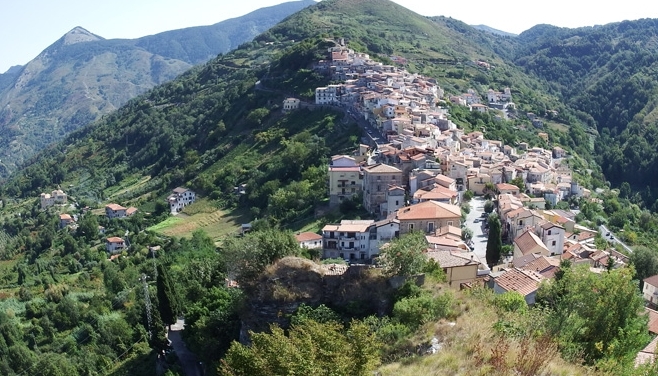

Nestled along the stunning Tyrrhenian coast in Bonifati, Italy, the 4 Towers of Bonifati—Telegrafo, Capo, Fella, and Parise—stand as silent sentinels to a bygone era of maritime strife and defensive ingenuity. Constructed between 1558 and 1567, these towers were part of a broader network designed to protect the coastal community from incessant pirate raids that threatened the region’s safety and prosperity.
The impetus for these fortifications came from the Viceroy of Naples, Duke D'Alcalà Don Pedro Alfan de Rivera, who recognized the urgent need to safeguard the coastline. The Torre di Porta di Mare, also known as Torre di Porta Malvitana, showcases 16th-century architecture with its quadrangular plan and remnants of a crenellated curb that hint at its defensive purpose. This tower has withstood the test of time, although it bears the scars of history, including damage from the devastating earthquake of 1638, which obliterated the Telegraph Tower, leaving only two blocks of masonry as a reminder of its former glory.
The Torre del Capo, a cylindrical structure dating back to the 15th century, has undergone restoration, ensuring that its storied past remains accessible to visitors. This tower served as a telegraph station in 1852 and was utilized by the Italian Navy during both World Wars, marking it as a significant military site in more recent history. The Tower of Fella, meanwhile, traces its origins back to the Norman period (1112 - 1154) under Roger II, later fortified in the 16th century, making it a fascinating blend of architectural styles and historical significance.
The architecture of the 4 Towers reflects the Renaissance defensive strategies, characterized by robust materials and strategic placements that allowed for visibility across the coastline. Each tower boasts unique features—while the Telegrafo may have succumbed to nature’s wrath, the others stand proud with their historical narratives etched into their stones. Visitors can appreciate the artistic significance of these structures, which embody the craftsmanship of the period and the necessity of military readiness.
Local culture in Bonifati is rich, steeped in traditions that celebrate its maritime heritage. Throughout the year, the townsfolk engage in various festivals that highlight their connection to the sea. One notable event is the Feast of San Rocco, celebrated in mid-August, where locals honor their patron saint with a lively procession, music, and traditional dance. These gatherings serve not only as a means of cultural expression but also as a reaffirmation of community bonds forged through shared history.
The culinary landscape of Bonifati is equally captivating. Visitors can indulge in typical local foods such as 'nduja, a spicy spreadable salami, and fresh seafood caught daily from the Mediterranean. The region is also known for its local wines, particularly Greco di Bianco and Gaglioppo, which pair beautifully with the coastal cuisine. Dining al fresco with a view of the towers at sunset is an experience that encapsulates the essence of Bonifati.
Among the lesser-known curiosities of the area is the Torre di Fella, which not only served as a military outpost but also played a role in local folklore. It is said that the tower was once a lookout for mermaids, enchanting sailors with their songs—a tale that adds a touch of myth to the historical fabric of the region. Additionally, the remnants of ancient agricultural practices can still be found in the surrounding countryside, where terraced hillsides and olive groves tell stories of labor and resilience.
For those planning a visit to Bonifati, the best time to explore this coastal gem is during the spring or early autumn when the weather is pleasantly warm, and the tourist crowds are thinner. Be sure to wear comfortable shoes for the gentle hikes around the towers, as the views of the coastline and the surrounding landscape are simply breathtaking. Don’t forget your camera, as the interplay of light and shadow on these historic structures during sunrise and sunset offers stunning photographic opportunities.
To fully immerse yourself in the rich tapestry of Bonifati, consider taking the time to roam the quaint streets, engage with locals, and savor the traditional dishes that connect the past with the present. The 4 Towers of Bonifati are not just historic monuments; they are gateways into the heart and soul of a community that has weathered storms, both literal and metaphorical.
As you plan your journey to Bonifati, the Secret World app can help you create a personalized AI itinerary tailored to your interests and preferences.


