
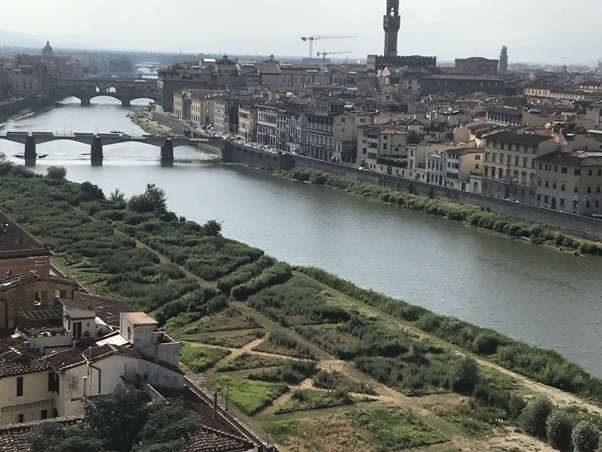

In the heart of Florence, amidst the bustling city life and grand Renaissance architecture, lies a hidden gem that offers a refreshing perspective on nature and design: Gilles Clément's Third Garden. This enchanting space is not just a garden; it is a profound statement on the relationship between humanity and the natural world, a testament to the philosophy of a "garden in motion."
History and Origins
The concept of the Third Garden derives from the innovative ideas of Gilles Clément, a French landscape architect who has been a pioneer in rethinking the role and design of gardens. Clément introduced the term "Third Landscape" in the late 20th century as he began his exploration into the friche—or fallow land—found along roadsides, abandoned lots, and neglected spaces. This movement emerged from a need to appreciate the beauty of nature reclaiming spaces that humans once dominated.
In Florence, a city steeped in history, the Third Garden stands as a contemporary counterpoint to the city’s classical gardens, such as the Boboli Gardens. While the Boboli represents a carefully curated aesthetic of the Renaissance, Clément’s garden celebrates a more organic and spontaneous form of beauty. Opened in 2007, the garden is nestled along the Arno River, showcasing its design philosophy while providing visitors with a unique vantage point of the city.
Art and Architecture
The architectural style of the Third Garden is a harmonious blend of naturalism and minimalism. Rather than imposing structures, Clément allows the landscape itself to dictate the visual narrative. The garden features native plants, wildflowers, and grasses that thrive without excessive human intervention. This approach not only reduces maintenance but also fosters biodiversity, creating a sanctuary for local wildlife.
As you wander through the garden, you’ll encounter various artistic installations that echo the themes of nature and decay. Clément's use of materials is intentional, favoring elements like stone and timber that blend seamlessly into the environment. The garden invites introspection, encouraging visitors to appreciate the beauty of imperfection, a refreshing departure from Florence’s often ornate and grandiose artistic expressions.
Local Culture and Traditions
Florence is a city that thrives on its rich cultural traditions, and the Third Garden adds a modern layer to this heritage. While the city is known for its Renaissance art and architecture, the garden embodies a growing movement toward environmental awareness and sustainability. Locals and visitors alike engage with the space, often attending workshops and events that promote ecological literacy and appreciation for the natural world.
Throughout the year, Florence hosts numerous festivals that celebrate local customs, such as Scoppio del Carro in April and the Calcio Storico in June. The Third Garden serves as an ideal backdrop for these events, where people can gather to discuss art, ecology, and community, reinforcing the garden's role as a living part of Florence's cultural tapestry.
Gastronomy
No visit to Florence is complete without indulging in its culinary delights. The city is famous for its rich gastronomic traditions, which are deeply intertwined with the local landscape. At nearby eateries, you can savor the authentic flavors of Florentine steak, pici pasta, and cantucci—almond cookies perfect for dipping in Vin Santo, a sweet dessert wine.
The garden itself is a reminder of the local agrarian traditions that continue to thrive in Tuscany. Many restaurants and markets emphasize the use of locally sourced ingredients, allowing visitors to taste the essence of the region while enjoying the serene environment of the garden.
Lesser-Known Curiosities
One of the fascinating aspects of the Third Garden is its role as a habitat for urban wildlife. This space has become a refuge for various bird species, insects, and even small mammals, inviting visitors to witness the delicate balance of urban ecosystems. The garden is also home to a unique collection of plants that are native to Tuscany, many of which are not commonly found in traditional gardens.
Additionally, the garden’s proximity to the Arno River offers a stunning backdrop for photography, especially during sunrise and sunset when the light casts a golden glow over the landscape. Many visitors miss this tranquil moment, often rushing to the more popular tourist spots, but those who pause here will find a moment of serenity in the city's heartbeat.
Practical Visitor Information
The best time to visit the Third Garden is during the spring and early fall when the weather is mild, and the flora is in full bloom. Mornings are particularly serene, making it an excellent time for reflection or photography. Bring a camera, a sketchbook, or simply a good book to enjoy the peaceful atmosphere.
While the garden itself is free to enter, consider combining your visit with a walk along the Arno River, leading you towards the iconic Piazzale Michelangelo, where breathtaking views of Florence await. Be sure to wear comfortable shoes, as the paths can be uneven, and don’t forget to check for any temporary exhibitions or events that may enhance your experience.
As you meander through the Third Garden, allow yourself to be captivated by its beauty and the philosophy behind it—nature as art, and art as an extension of nature. For a personalized exploration of Florence, consider using the Secret World app to craft your perfect itinerary.


