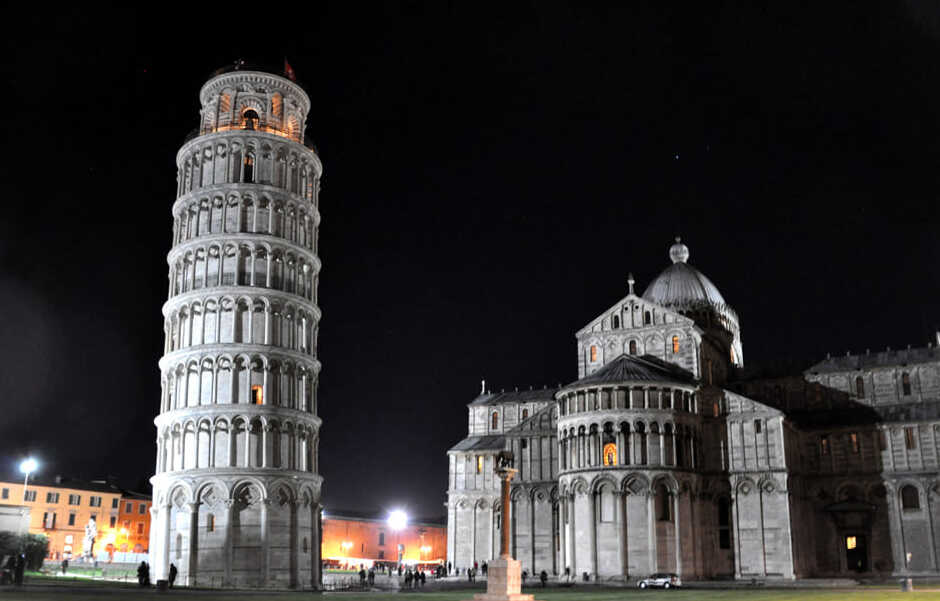

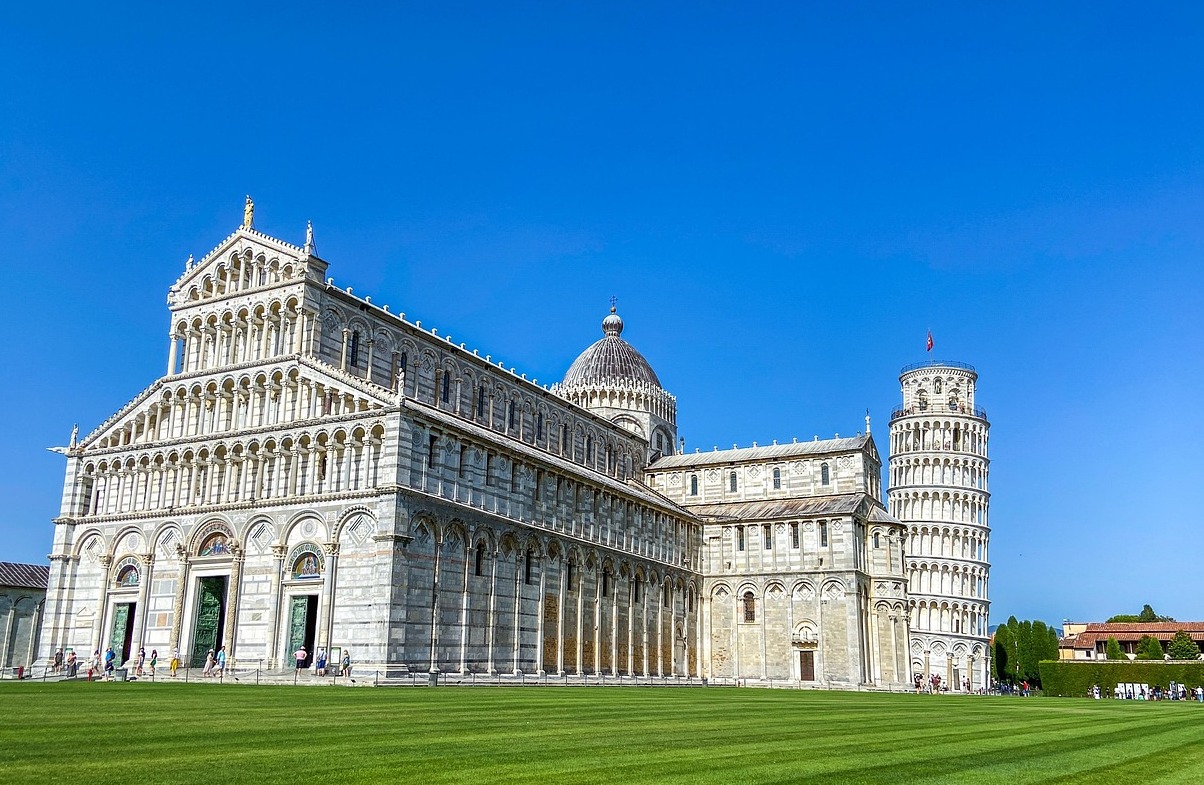
The Tower of Pisa is one of the most iconic structures in the world, renowned not just for its architectural beauty but also for its infamous tilt. This remarkable bell tower, part of the Piazza dei Miracoli, began its construction in 1173 and has captivated visitors for centuries. Its history is as rich and layered as its unique architecture.
### History and Origins The Tower of Pisa, or Torre Pendente di Pisa, was originally designed to serve as a bell tower for the Cathedral of Pisa, adjacent to it. Construction began under the guidance of architect Bonanno Pisano, who completed the first three tiers before the tower's foundations began to settle unevenly, leading to its famous slant. This tilt was first noticed shortly after construction commenced in 1178. Over the years, several attempts were made to correct the lean, but it was not until the late 20th century that significant measures were taken to stabilize the structure.
In 1990, the tower was closed to the public for extensive restoration efforts. Engineers installed steel tie rods and counterweights, successfully reducing the tilt from 5.5 degrees to 4.1 degrees. The UNESCO World Heritage Site remains an enduring symbol of architectural ingenuity and resilience.
### Art and Architecture The Leaning Tower of Pisa is a stunning example of Romanesque architecture, featuring a series of eight stories, including the chamber for the bells. The exterior is adorned with marble from local quarries, showcasing intricate arches and columns. The tower stands at a height of approximately 56 meters on the high side and 57 meters on the low side, with each level showcasing beautifully carved columns and arcades that invite admiration.
Artistic significance is further enhanced by the white and grey marble contrasts, which create a striking visual effect against the Tuscan sky. The belfry at the top houses seven bells, each representing a musical note, designed to create a harmonious sound when rung together. Giovanni Pisano, the son of Bonanno, contributed to some of the upper sections, infusing the tower with a blend of artistry and engineering.
### Local Culture and Traditions The city of Pisa is steeped in rich cultural traditions that reflect its historical legacy. One of the most celebrated events is the Luminara di San Ranieri, held on June 16 each year. During this festival, thousands of candles illuminate the banks of the Arno River, creating a breathtaking spectacle that draws locals and visitors alike.
Another culturally significant event is the Gioco del Ponte, a historical tug-of-war competition held on the last Sunday of June. This spirited contest showcases the strength and unity of the city's neighborhoods, as teams don traditional costumes and compete to pull a cart across the Ponte di Mezzo.
### Gastronomy A trip to Pisa would be incomplete without indulging in its culinary delights. The local cuisine reflects the flavors of Tuscany, with dishes like Pici cacio e pepe (thick pasta with cheese and pepper) and the renowned Pici cacio e pepe. Don't forget to sample a slice of Torta di Ceci, a savory chickpea pancake, or the sweet Biscotti di Prato, perfect for dipping in a glass of Vin Santo.
### Lesser-Known Curiosities While the tilt of the tower is well known, many visitors overlook the mysterious inscriptions found within its walls. These markings are believed to be the work of early visitors and pilgrims who left their names and dates in a bid to immortalize their journey. Another fascinating detail is that the Tower of Pisa was once a military lookout tower during World War II, showcasing its historical versatility.
### Practical Visitor Information The best time to visit the Leaning Tower of Pisa is during the shoulder seasons of spring (April to June) and fall (September to October) when the weather is pleasant and crowds are manageable. Booking tickets in advance is highly recommended, as access to the tower itself is limited.
For a truly immersive experience, be sure to explore the surrounding Piazza dei Miracoli, which houses the Duomo di Pisa and the Baptistery, both architectural masterpieces in their own right. Climbing the 294 steps to the top of the tower rewards visitors with stunning views of the surrounding area, including the picturesque landscape of Tuscany.
As you plan your journey to this architectural wonder, consider using the Secret World app to help create a personalized itinerary that captures the essence of Pisa.