
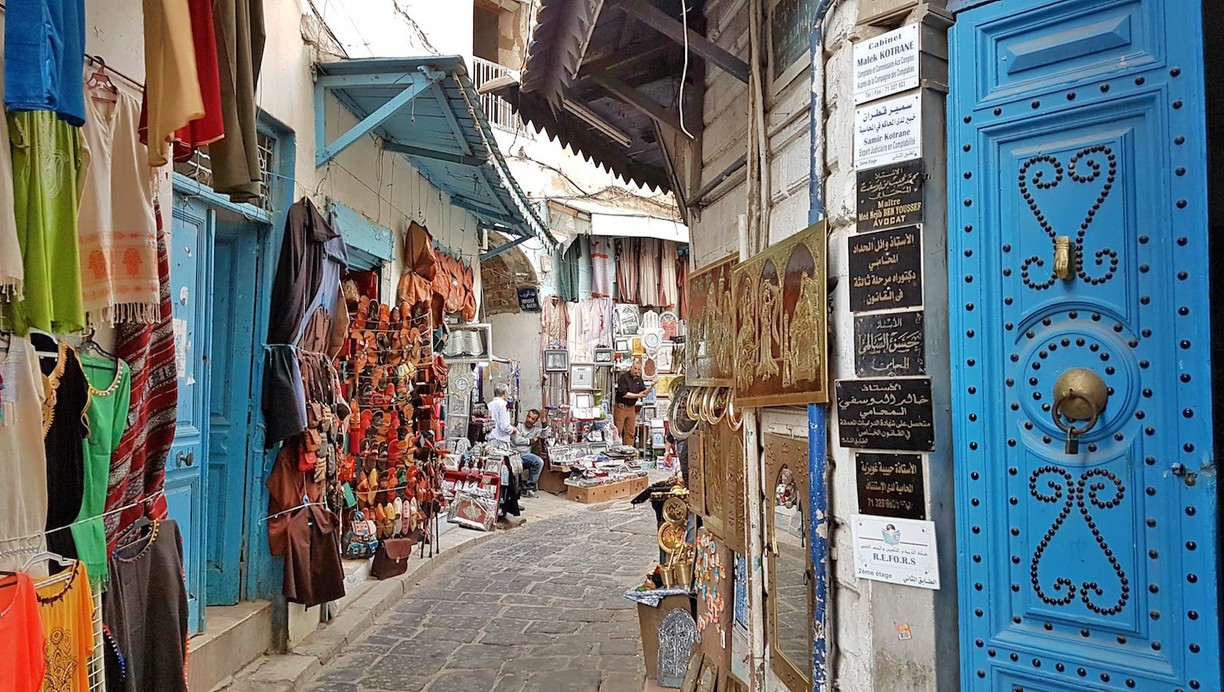

Wandering through the Tunis Medina is like stepping back in time, where every narrow alleyway whispers tales of ancient civilizations and vibrant cultures. This historic Old Town, the heart of Tunisi, is a treasure trove of heritage, showcasing the evolution of a city that has been a crossroads of civilizations for over a millennium.
The Tunis Medina was established in the 9th century during the Aghlabid period, emerging as a vital center for trade and culture. Originally fortified with walls, the Medina was designed to protect its inhabitants and their valuable goods. As the centuries rolled on, it witnessed the rise and fall of various dynasties, including the Almohads and Hafids, each leaving indelible marks on its architecture and culture. By 1979, the Medina's historical significance was formally recognized when it was designated a UNESCO World Heritage Site, boasting over 700 monuments that reflect its rich past.
The architectural style of the Medina is a stunning blend of Islamic and Mediterranean influences. Walking through its labyrinthine streets, visitors are treated to a spectacle of mosaic-tiled facades, intricately designed wooden doors, and the distinctive zellige patterns that adorn many buildings. Notable sites include the Zitouna Mosque, a magnificent structure dating back to the 8th century, which serves as a focal point for the local community. Its towering minaret and serene courtyard embody the medina's spiritual essence.
Art in the Medina is not confined to its buildings; it is alive in the bustling souks, where artisans showcase their crafts. From beautifully woven carpets to exquisite silver jewelry, local artisans continue age-old traditions that have been passed down through generations. The artistry of the Medina is not just for show; it represents a vibrant cultural heritage that is deeply intertwined with the daily lives of the residents.
Culturally, the Tunis Medina is a living museum of local customs and traditions. The annual Mawlid festival, which celebrates the birth of the Prophet Muhammad, is particularly significant. Streets come alive with colorful processions, music, and communal feasting, reflecting the strong community spirit of the Medina's residents. Additionally, the Aïd al-Fitr and Aïd al-Adha festivals bring families together in celebration, further enriching the cultural tapestry of this historic area.
No exploration of the Medina would be complete without indulging in its gastronomy. The local cuisine is a delightful blend of flavors and aromas, heavily influenced by Mediterranean and North African traditions. Be sure to try couscous, the national dish of Tunisia, often served with a rich meat or vegetable stew. Another must-try is brik, a crispy pastry filled with egg and tuna, a popular snack among locals. To wash it down, enjoy a glass of mint tea, a staple in Tunisian hospitality, served sweet and fragrant.
As you traverse the Medina, keep an eye out for lesser-known curiosities that add to its charm. For instance, many buildings feature hidden courtyards and gardens, often overlooked by tourists. These serene spaces serve as peaceful retreats from the bustling streets, offering a glimpse into the private lives of the residents. The Zaouia of Sidi Mahrez, a lesser-known shrine, is also worth a visit. This tranquil site, dedicated to a revered saint, is adorned with beautiful tiles and offers a moment of reflection amidst the vibrant chaos of the Medina.
The best time to visit the Tunis Medina is during the spring and fall, when the weather is pleasantly mild, making it ideal for leisurely strolls. Early mornings or late afternoons are particularly enchanting, as the soft light casts shadows on the ancient walls, enhancing the Medina's ethereal beauty. While wandering, don’t forget to wear comfortable shoes; the cobbled streets can be uneven, and getting lost in the maze-like layout is part of the adventure.
To truly experience the essence of the Tunis Medina, consider engaging with local guides who can share stories and insights that enhance your understanding of this historical gem. Be open to exploring off the beaten path, and don’t hesitate to ask locals for recommendations on where to eat or shop.
As you prepare for your journey, the Secret World app can help you craft a personalized AI itinerary to navigate and experience the wonders of Tunisi.


