


The smell arrives before the sight: oud resins, rose water, and freshly tanned leather mix in the narrow air of the covered alleys. You find yourself in the souk of the medina of Tunis, a labyrinth of specialized streets that dates back at least to the Aghlabid period, between the 8th and 9th centuries, and which continued to grow under subsequent dynasties until the Ottoman era. It is not a market rebuilt for tourists — it is a still-functioning commercial system, where artisans work in the same workshops that their fathers occupied before them.
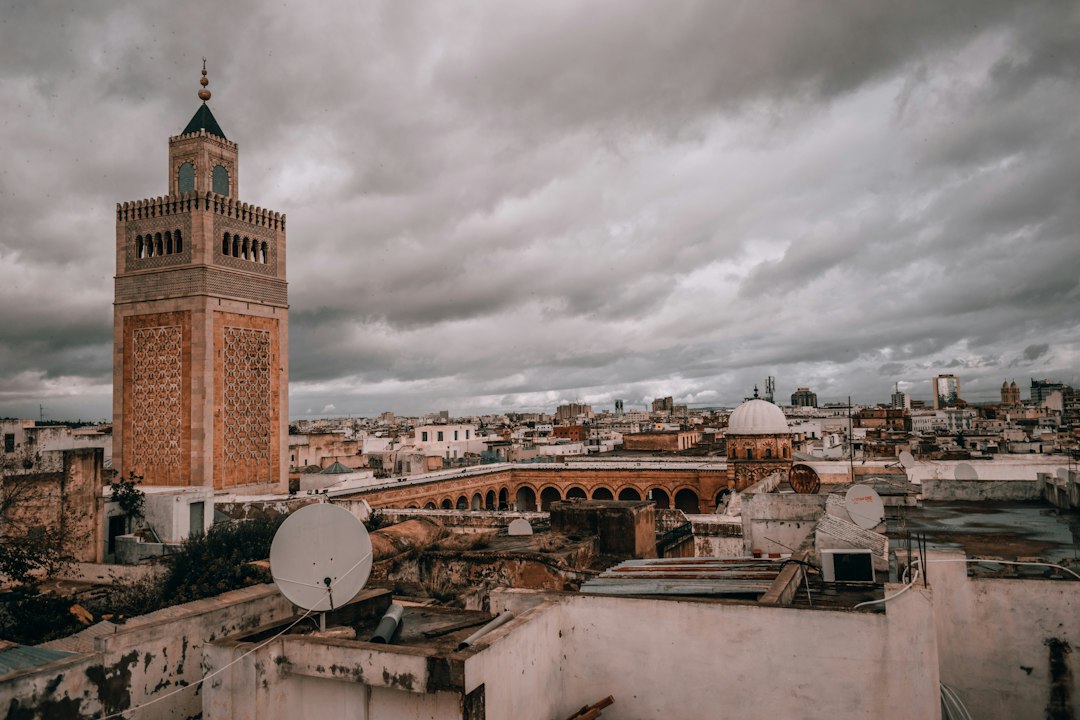
The medina of Tunis was inscribed on the UNESCO World Heritage List in 1979, a recognition that has helped preserve its medieval urban structure. At the center of it all stands the Great Mosque of Zitouna, founded in the 8th century and expanded in the subsequent centuries, whose square minaret is visible above the flat roofs of the old city and serves as a landmark for those who get lost among the alleys. The souks radiate around this building according to a precise logic: the most valuable and fragrant goods — such as essences and jewelry — occupy the streets closest to the mosque, while the noisier or smellier activities, such as tanneries and blacksmiths, are found on the outskirts of the medina.
The geography of the souks: every street has its trade
One of the most fascinating aspects of the medina is its organization by corporations, which has remained largely intact. The Souk el-Attarine, the perfumers' market, occupies one of the covered streets closest to the Zitouna: here, the colored glass bottles contain extracts of jasmine, rose, and ambergris, and the vendors offer customized blends upon request. A little further on, the Souk el-Trouk — the market of Turkish tailors, whose name recalls the Ottoman presence in the city — is now mainly occupied by sellers of fabrics and embroidered caftans.
The Souk des Chéchias is perhaps the most photographed: here, the traditional red felt caps, called chéchia, are still produced and sold, which for centuries have been exported throughout the Mediterranean and the Arab world. The hats are beaten, polished, and shaped by hand in tiny workshops where the ceiling is low and light barely filters in. Watching a craftsman at work on a chéchia takes just a few minutes but leaves a lasting impression.
Colors, sounds, and faces: the sensory experience
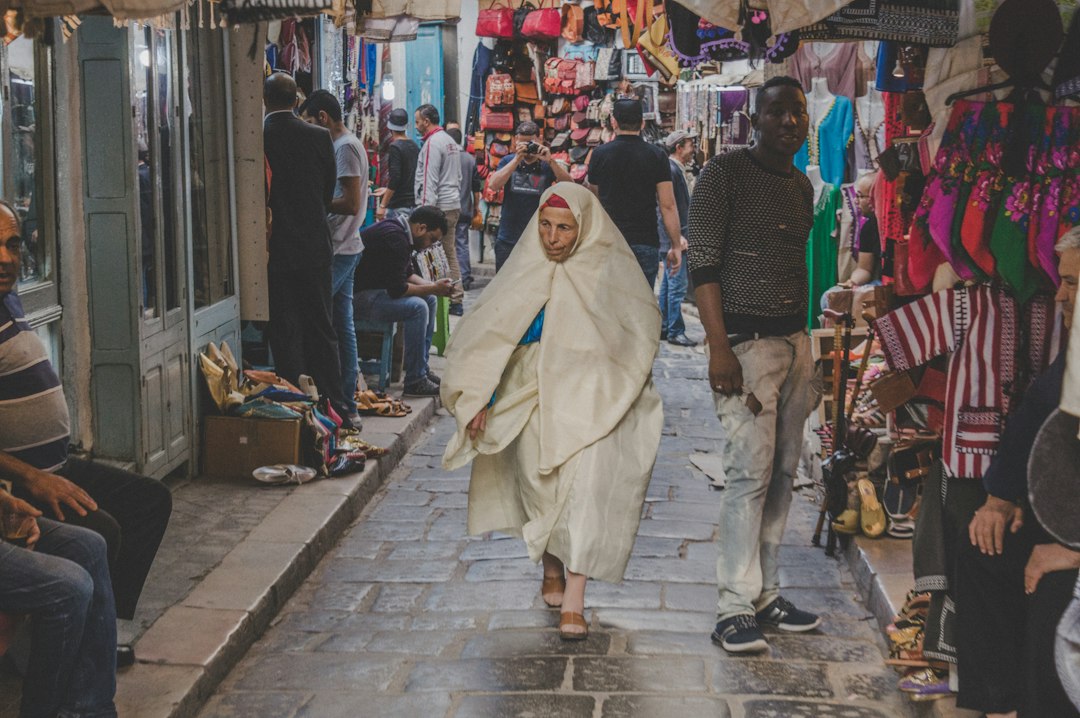
Walking through the souk during the peak morning hours means navigating between carts loaded with yellow and red spices, children running between the legs of adults, and the rhythmic sound of the blacksmiths' hammers coming from some side alley. The walls of the oldest shops display zellige coverings — the multicolored geometric tiles typical of North African architecture — which in luxury venues extend up to the ceiling. In other places, the light limestone of the medieval arches remains exposed, darkened by time but still solid.
Conversations between merchants and regular customers take place in darija, the Tunisian Arabic dialect, with frequent insertions in French. With foreign tourists, many sellers smoothly switch to Italian, Spanish, or English — a legacy of decades of Mediterranean tourism. Bargaining is part of the ritual, but generally in a cordial manner: a refusal is not taken as an offense, and often the negotiation concludes with a small cup of mint tea offered by the seller.
How to visit: practical tips
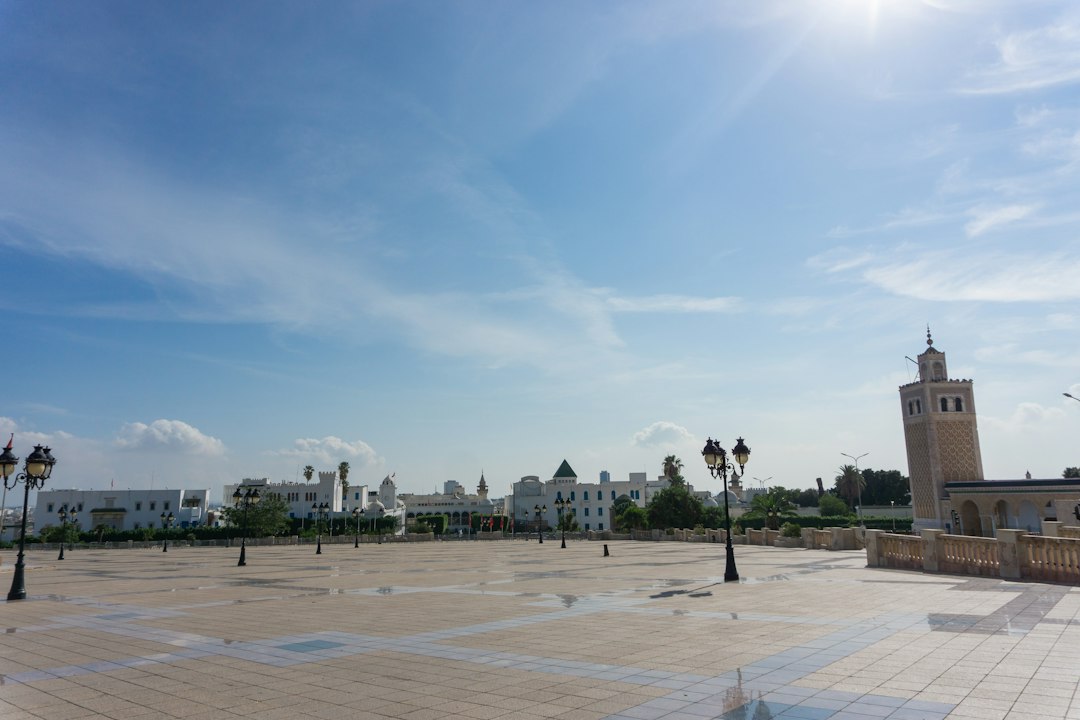
The best time to enter the souk is early in the morning, between 9 and 11, when the shops have just opened, the natural light is favorable for photographs, and the crowd is still manageable. In the afternoon, especially in summer, the covered alleys become very hot and crowded. On Fridays, many shops remain closed for the noon prayer, so it is preferable to choose another day of the week if you want to see the souk in full activity.
To reach the medina from the modern center of Tunis, the easiest way is to take the light metro to the stop Place de la République or walk from Avenue Habib Bourguiba, the main avenue of the new city: the Gate of France, called Bab el-Bhar, marks the official entrance to the old city and is easily recognizable. There are no entrance tickets to the medina or the souks — it is public space — but some historic mosques and medersas (Quranic schools) require a contribution for access. Bringing local currency in small bills simplifies purchases and bargaining.


