
← Back

The Unknown Pearl Positano:Roman Villa of Positano

Via Marina Grande, 84017 Positano SA, Italia ★★★★☆ 356 views
Alessia Drew
Positano
🏆 AI Trip Planner 2026

Get the free app

Discover the best of Positano with Secret World — the AI trip planner with 1M+ destinations. Get personalized itineraries, hidden gems and local tips. Free on iOS & Android.

🧠 AI Itineraries 🎒 Trip Toolkit 🎮 KnowWhere Game 🎧 Audio Guides 📹 Videos
Scan to download iOS / Android
Scan for AppGallery Huawei users

About The Unknown Pearl Positano:Roman Villa of Positano

The Unknown Pearl Positano:Roman Villa of Positano - Positano | Secret World Trip Planner

Nestled in the charming town of Positano, the Roman Villa of Positano is a hidden gem that whispers tales of its ancient past. This archaeological site, buried by the eruption of Vesuvius in 79 A.D., has only recently resurfaced from centuries of silence, revealing not only its architectural grandeur but also its rich tapestry of history and culture.

### History and Origins The Roman Villa of Positano was once a sprawling estate belonging to affluent Romans who sought the stunning views and temperate climate of the Amalfi Coast. This villa flourished during the 1st century A.D., a time when the region was a favored retreat for the elite of Rome. However, the tranquility was abruptly shattered when Mount Vesuvius erupted, burying the villa along with many other coastal towns under a thick blanket of ash and debris. Rediscovered in recent years, the villa's excavations have offered a remarkable glimpse into the life of its ancient inhabitants, showcasing their opulence and their artistic tastes.

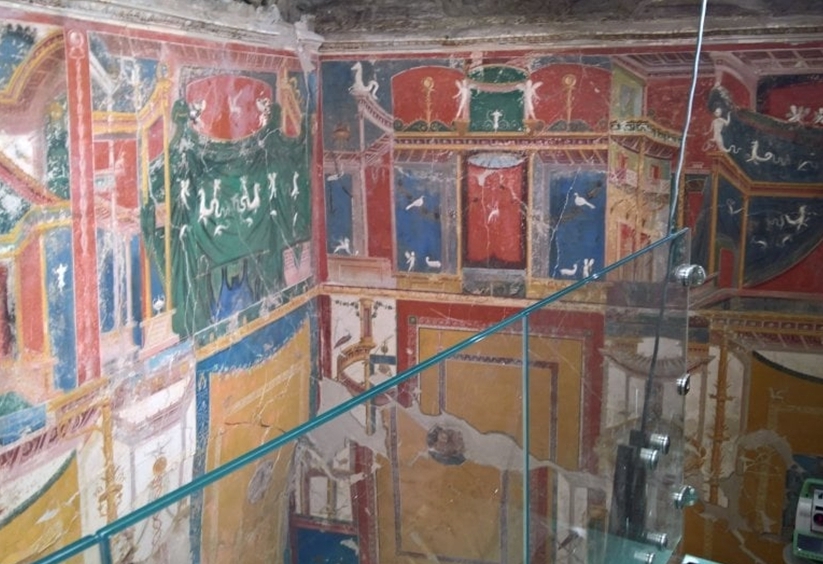
### Art and Architecture The architectural style of the Roman Villa of Positano is a breathtaking testament to classical Roman design. The villa's layout features large open spaces, adorned with intricate frescoes and detailed mosaics that reflect a deep appreciation for beauty and artistry. Among the most striking elements are the frescoes depicting mythical creatures, including hippocampi (sea horses) and a majestic winged pegasus, which grace the walls of its main hall, diving into the depths of Roman mythology. The use of vibrant colors and gold leaf in these artworks not only highlights the villa's aesthetic significance but also serves as a window into the cultural values of that era.

### Local Culture and Traditions Positano is steeped in rich traditions that celebrate its maritime heritage and agricultural bounty. The Festa di Santa Maria Assunta, held in August, honors the town's patron saint with colorful processions, fireworks, and traditional music. This festival is a vibrant display of the local community's devotion and cultural pride, bringing together residents and visitors alike in a shared celebration. The Roman Villa, located near the Church of Santa Maria Assunta, adds historical depth to these festivities, reminding attendees of the layers of history that define this picturesque town.

### Gastronomy The culinary scene in Positano is as enchanting as its landscapes. Local cuisine showcases the abundance of fresh seafood caught daily by local fishermen, complemented by the vibrant produce from the surrounding hills. Dishes like spaghetti alle vongole (spaghetti with clams) and melanzane alla parmigiana (eggplant Parmesan) represent the essence of Mediterranean cooking. The region is also famous for its limoncello, a zesty lemon liqueur that embodies the spirit of the Amalfi Coast. Visitors should not miss the chance to enjoy a meal at one of the cliffside restaurants, where the flavors of the sea blend harmoniously with breathtaking views.

### Lesser-known Curiosities One of the villa's most surprising features is the necropolis found on-site, which offers insights into the burial practices of ancient Romans. This sacred space underscores the cultural significance of death and the afterlife in Roman society. Additionally, while many tourists flock to the more famous sites of Pompeii and Herculaneum, the Roman Villa of Positano remains a lesser-known treasure, providing a quieter, yet equally enriching experience. Visitors can explore the remnants of ancient life without the crowds, making it a perfect spot for history enthusiasts.

### Practical Visitor Information The best time to visit the Roman Villa of Positano is during the spring and early fall when the weather is mild, and the tourist crowds are thinner. Guided tours are available, providing deeper insights into the villa's history and significance. Be sure to look for the stunning frescoes that depict the mythological creatures, and take a moment to appreciate the serene atmosphere that pervades this ancient site.

For those looking to explore the unexplored corners of Positano and its surroundings, using the Secret World app can help craft a personalized itinerary that includes the hidden gems of this enchanting coastal town.

🗺 AI Trip Planner

Plan your visit to Positano

Suggested itinerary near The Unknown Pearl Positano:Roman Villa of Positano

MAJ+
500.000+ travelers worldwide
  1. 🌅
    Morning
    The Unknown Pearl Positano:Roman Villa of Positano
    📍 Positano
  2. ☀️
    Afternoon
    Positano at sunset.....
    📍 0.3 km · Positano
  3. 🌆
    Evening
    Perfect Positano Itinerary with AI: 2026 Guide
    📍 0.4 km · Positano

Buy Unique Travel Experiences

Powered by Viator

See more on Viator.com

Explore nearby · Positano

Frequently Asked Questions

The Roman Villa of Positano was buried during the eruption of Mount Vesuvius in 79 A.D., which devastated the Amalfi Coast region. The villa has only recently resurfaced from centuries of silence, with excavations in recent years revealing its remarkable architectural and artistic treasures.
The villa features stunning frescoes and detailed mosaics, including mythical creatures like hippocampi (sea horses) and a majestic winged pegasus adorning the main hall walls. These artworks showcase vibrant colors and gold leaf details that reflect the villa's aesthetic significance and the cultural values of 1st century Roman society.
The villa was once a sprawling estate belonging to affluent Romans who sought the stunning views and temperate climate of the Amalfi Coast during the 1st century A.D. These elite inhabitants were part of Rome's wealthy class who used this location as a favored retreat, demonstrating their opulence through the villa's grand architectural design and artistic collection.
The villa's architectural style is a testament to classical Roman design, featuring large open spaces adorned with intricate frescoes and detailed mosaics. The layout and decorative elements reflect a deep appreciation for beauty and artistry that was characteristic of Roman elite homes during the Imperial period.
The Roman Villa of Positano is nestled in the charming town of Positano on the Amalfi Coast, a region steeped in rich traditions celebrating maritime heritage and agricultural bounty. The town itself honors its patron saint with festivals like the Festa di Santa Maria Assunta in August, connecting ancient Roman history with contemporary local culture and traditions.
