
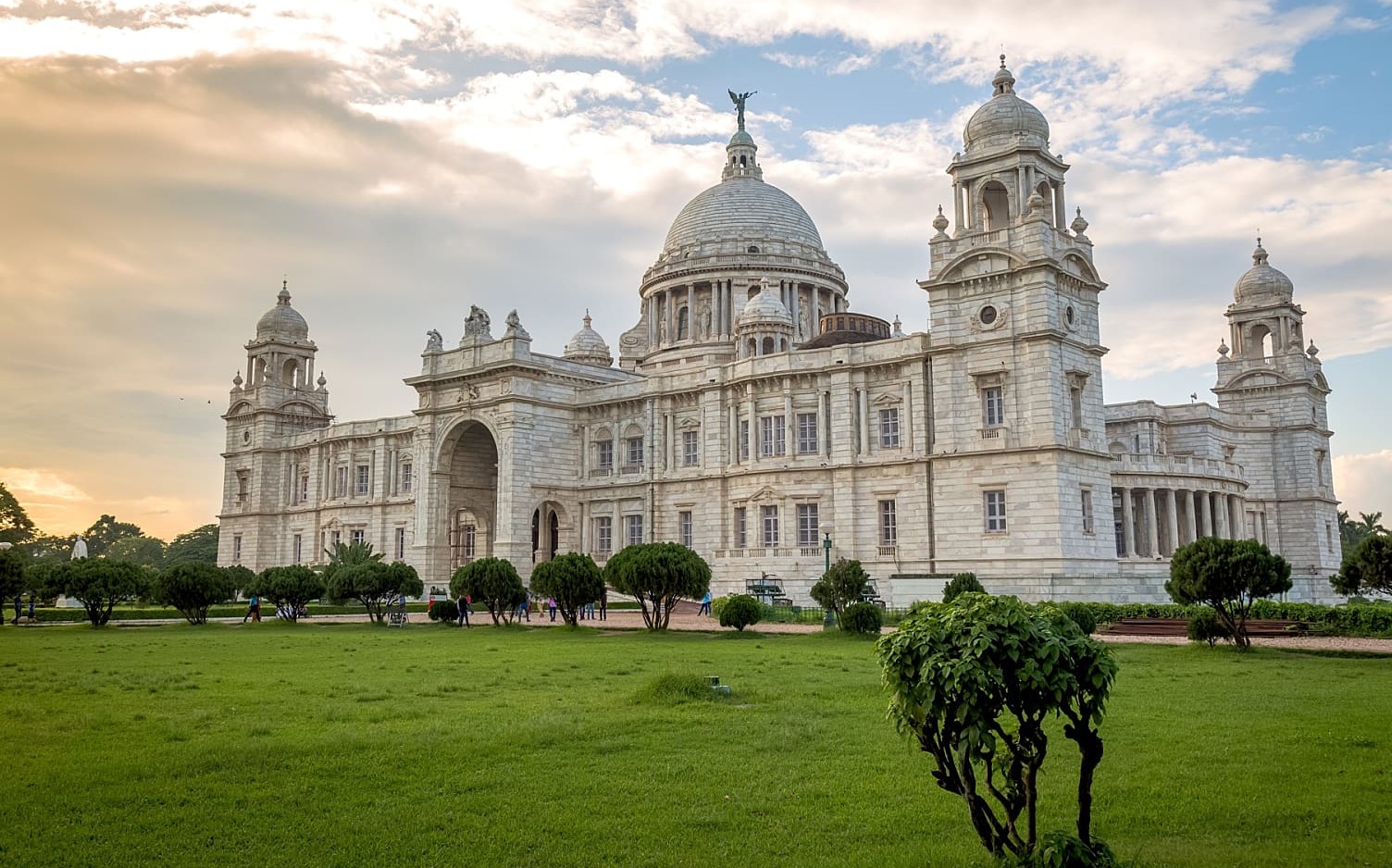

In the heart of Kolkata, a city where the past and present intertwine, stands the awe-inspiring Victoria Memorial. This architectural marvel, dedicated to Queen Victoria, is not just a monument; it is a symbol of the city's rich history and cultural heritage. Completed in 1921, the memorial has become a major tourist attraction, drawing countless visitors eager to witness its grandeur and learn about its storied past.
The origins of the Victoria Memorial can be traced back to the years following Queen Victoria's death in 1901. As the British Empire was at its zenith, the memorial was conceived as a tribute to her reign, which lasted for more than six decades. Architect William Emerson, a prominent figure in British architecture and then President of the Royal Institute of British Architects, was tasked with the design. The foundation stone was laid in 1906, and the project took over a decade to complete, reflecting both the complexity of the design and the ambition behind the project.
The architecture of the Victoria Memorial is a stunning fusion of different styles. The structure is primarily built from Makrana marble, similar to that of the Taj Mahal, and showcases a blend of British, Mughal, Venetian, and Islamic architectural influences. Its central dome, soaring high at 16 meters, is flanked by a series of elegant arches and domed canopies. The octagonal elevated canopy, along with meticulously landscaped gardens, creates a serene atmosphere that invites visitors to linger.
Inside the memorial, visitors can explore an impressive collection of artworks, including paintings, sculptures, and decorative arts. Among the notable pieces is "The Last Supper", a remarkable painting that captures the essence of camaraderie and faith. The memorial houses over 25 galleries, showcasing everything from portraits of British and Indian historical figures to rare artifacts that narrate the saga of India’s colonial past. The artistic significance of the memorial lies not only in its collection but also in the way it encapsulates the cultural dialogue between the East and West.
Local culture and traditions are deeply intertwined with the Victoria Memorial. As one of the key cultural hubs of Kolkata, the area surrounding the memorial often comes alive with festivals and events. One such celebration is the Durga Puja, a festival that draws millions to the city. This vibrant event showcases the city's artistic flair and community spirit, with elaborate pandals (temporary structures) and stunning idol displays. The memorial serves as a picturesque backdrop for many cultural events, including music festivals and art exhibitions, making it a focal point for both locals and tourists.
The culinary landscape of Kolkata is as diverse as its history. Just a stone's throw from the Victoria Memorial, visitors can indulge in iconic local dishes. Bengali sweets, especially rosogolla and mishti doi, are a must-try for anyone with a sweet tooth. For those seeking savory options, the famous Kolkata biryani, characterized by its fragrant spices and tender meat, is a culinary delight. To wash it down, locals often recommend a cup of chai, a spiced tea that has become a staple in the city. Street food stalls nearby offer puchka (pani puri) and kathi rolls, ensuring that visitors experience the full spectrum of Kolkata’s gastronomic offerings.
As with any grand monument, the Victoria Memorial has its share of lesser-known curiosities that can surprise even the most seasoned travelers. For instance, the memorial is adorned with 16 statues, each representing different aspects of Queen Victoria's reign. Many visitors miss the intricate details of the allegorical sculptures, which include figures of Peace, Justice, and Fame, each carefully crafted to reflect the ideals of the era. Another intriguing fact is that the memorial was initially proposed to be built in London, but the decision to position it in Kolkata was made to honor the city’s historical significance as the capital of British India.
For those planning a visit, the best time to explore the Victoria Memorial is during the winter months, from November to February. The weather is pleasant, allowing for leisurely strolls through the expansive gardens and outdoor exhibitions. It’s advisable to arrive early to avoid the crowds and fully appreciate the intricate details of the memorial. Photography enthusiasts should not miss the opportunity to capture the stunning reflections of the monument in the surrounding water bodies, especially during sunset.
In conclusion, the Victoria Memorial is more than just a tribute to a monarch; it is a testament to the rich tapestry of Kolkata’s history, artistry, and culture. As you plan your visit, consider using the Secret World app to craft a personalized itinerary that captures the essence of this vibrant city.


