
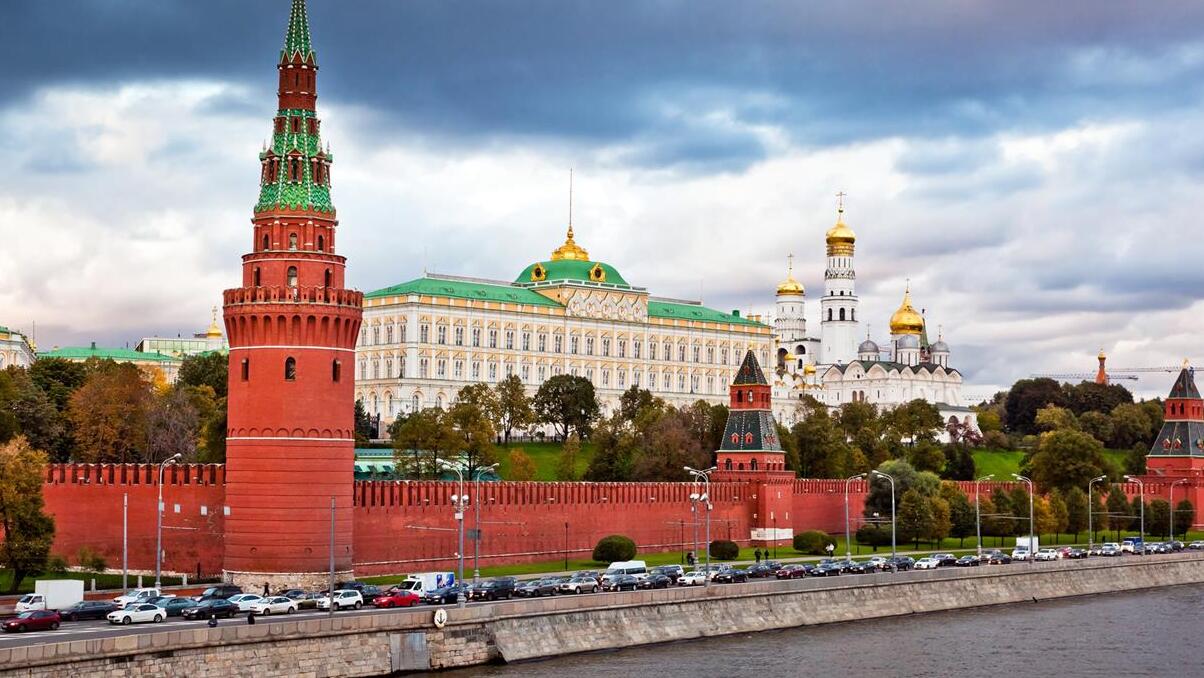

The Walls and Towers of the Kremlin are not just architectural marvels; they are the very embodiment of Russia's tumultuous history, a place where power has shifted, revolutions have sparked, and culture has flourished since their construction in the late 15th century. Built during the reign of Grand Duke Ivan III, these robust structures were designed by a cadre of Italian architects including Antonio Gilardi, Marco Ruffo, Pietro Antonio Solari, and Aliosio de Carcano. They transformed the Kremlin into a formidable fortress, signaling the rise of Moscow as a political and cultural center.
The construction of the Kremlin walls began in 1485 and continued until 1495, creating a striking triangular fortification that conforms to the natural contours of Borovitsky Hill. The walls, made of red brick, stretch approximately 2.5 kilometers in length and are punctuated by 20 towers of varying heights and designs. Each tower has a unique identity; for instance, the Spasskaya Tower, known for its intricate clock chimes, serves as the main entrance and is adorned with a golden weathervane. In contrast, the Tsarskaya Tower, the smallest, adds a sense of elegance to the skyline.
The architectural style of the Kremlin reflects a fascinating blend of Gothic, Renaissance, and Byzantine influences, showcasing the skill and artistry of its creators. Intricate designs and ornate decorations adorn the towers, while the walls themselves are a testament to the military innovations of the time. The ability to withstand sieges has been tested throughout history, from the Time of Troubles in the early 17th century to the October Revolution in 1917, marking the Kremlin as a silent witness to the evolution of Russian governance.
Local culture thrives within the shadow of the Kremlin's walls. The area is not only a historical site but a vibrant hub for Muscovites and visitors alike. Festivals such as Maslenitsa, a traditional Slavic festival celebrating the end of winter, bring life to the nearby Alexander Garden. Here, locals and tourists alike gather to enjoy blini (thin pancakes), a staple of Russian cuisine, symbolizing the sun’s return as winter fades away.
The gastronomic landscape around the Kremlin is equally rich. Traditional Russian dishes like borscht, a beet soup, and pelmeni, dumplings filled with meat or vegetables, can be found in nearby cafés and restaurants. Don’t miss out on trying kasha (buckwheat porridge) or the exquisite pirozhki (stuffed pastries), which are often sold by street vendors. To wash it down, a glass of kvass, a fermented beverage made from rye bread, is a local favorite.
Beneath the grandeur of the Kremlin lies a wealth of lesser-known curiosities. For instance, the Kremlin is home to the Tsar Bell, the largest bell in the world, weighing a staggering 216 tons, though it has never been rung. Additionally, the Kremlin's walls were originally painted white before being covered in red brick, a detail often overlooked by visitors. Each tower tells a story; the Moscow River has seen countless battles and parades, while the Kremlin has served as both a royal residence and a seat of government.
For those planning a visit, the best time is between May and September, when the weather is mild and the gardens blossom. Early mornings or late afternoons are ideal for exploring, as the crowds are thinner, allowing for a more intimate experience with the history that surrounds you. Don’t forget to look for hidden gems like the Kremlin's Armory Chamber, which houses an impressive collection of royal treasures including the Imperial Crown and the famous Fabergé eggs.
To make the most of your visit, consider starting at the State Historical Museum on Red Square, then meandering through the Alexander Garden, before delving into the Kremlin’s rich interiors. Be sure to check the schedule for guided tours that provide deeper insights into the Kremlin's storied past.
The Walls and Towers of the Kremlin are not just a monument of stone and brick; they are a living testament to the enduring spirit of Russia. As you walk among these ancient structures, you’ll find yourself immersed in a narrative that spans centuries, filled with intrigue, artistry, and resilience. To fully appreciate the depth of this incredible site, consider using the Secret World app for a personalized AI itinerary to enhance your experience in Moscow.


