
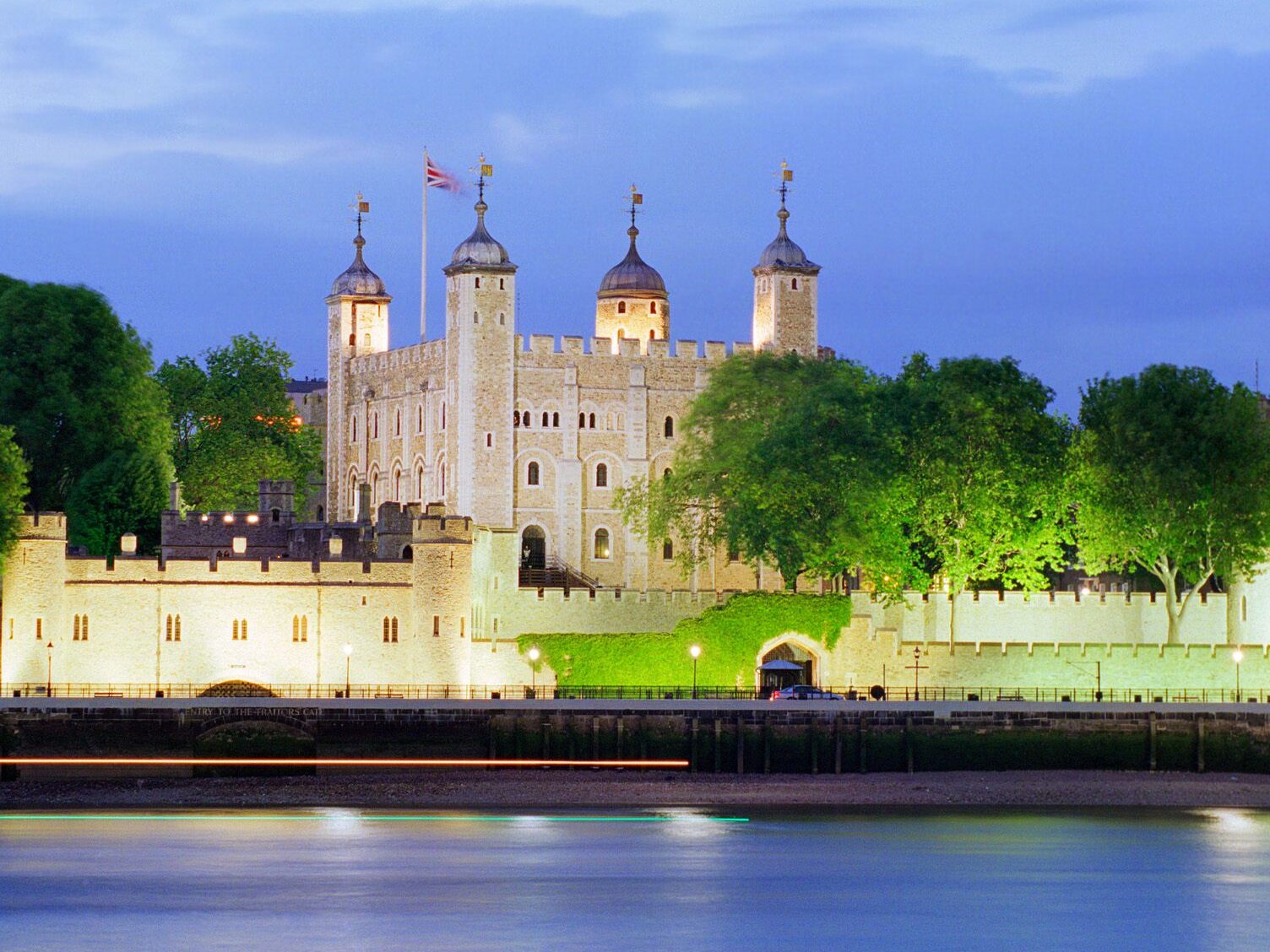

The White Tower, an iconic symbol of London, stands as a testament to the tumultuous history that has shaped England. Nestled within the greater complex of the Tower of London, this formidable structure was commissioned by William the Conqueror in 1066, marking the beginning of a new era for the English monarchy. Construction began in 1078 and was largely completed by 1097, although the exact date remains a subject of historical debate. The White Tower was designed not only as a royal residence but also as a powerful statement of Norman authority, intended to intimidate the local populace and assert control over the city.
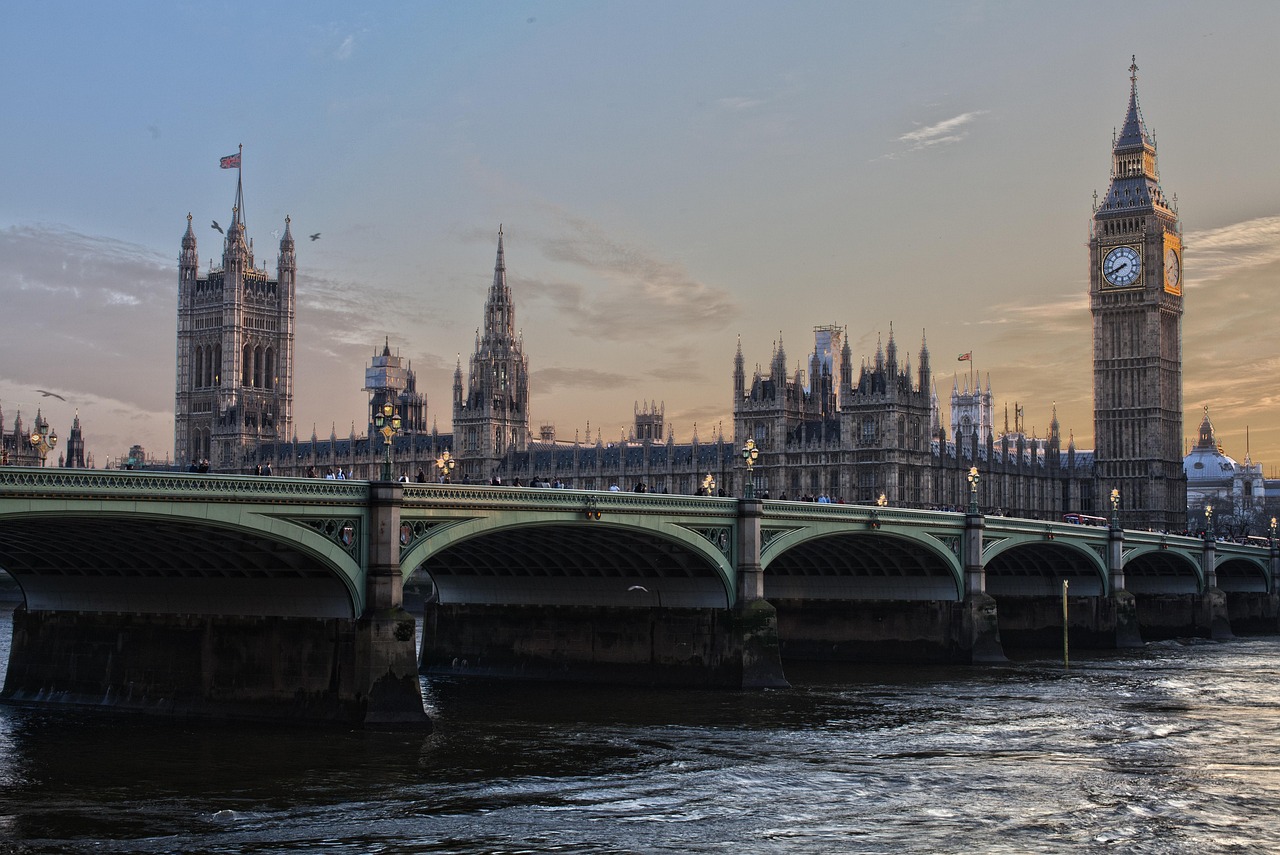
The White Tower has witnessed countless pivotal events throughout its long history. It served as a royal palace, a military stronghold, and a prison for some of England's most infamous figures. Among its notable detainees were Anne Boleyn, the second wife of Henry VIII, and Lady Jane Grey, England’s nine-day queen. The Tower's walls bear silent witness to the intrigue and drama of the ages, making it a captivating place for history enthusiasts and casual visitors alike.
Architecturally, the White Tower is a stunning example of Norman military architecture. Its robust stone structure, with walls measuring over 90 feet (27.4 m) high, was designed to withstand siege and attack. The use of Caen stone from Normandy gives the tower its distinct appearance. Inside, the chapel of St. John is adorned with exquisite carvings and features a striking wooden roof, showcasing the craftsmanship of the period. The decorative elements tell a story of faith and fortitude, encapsulating the dual role of the Tower as both a military stronghold and a place of worship.
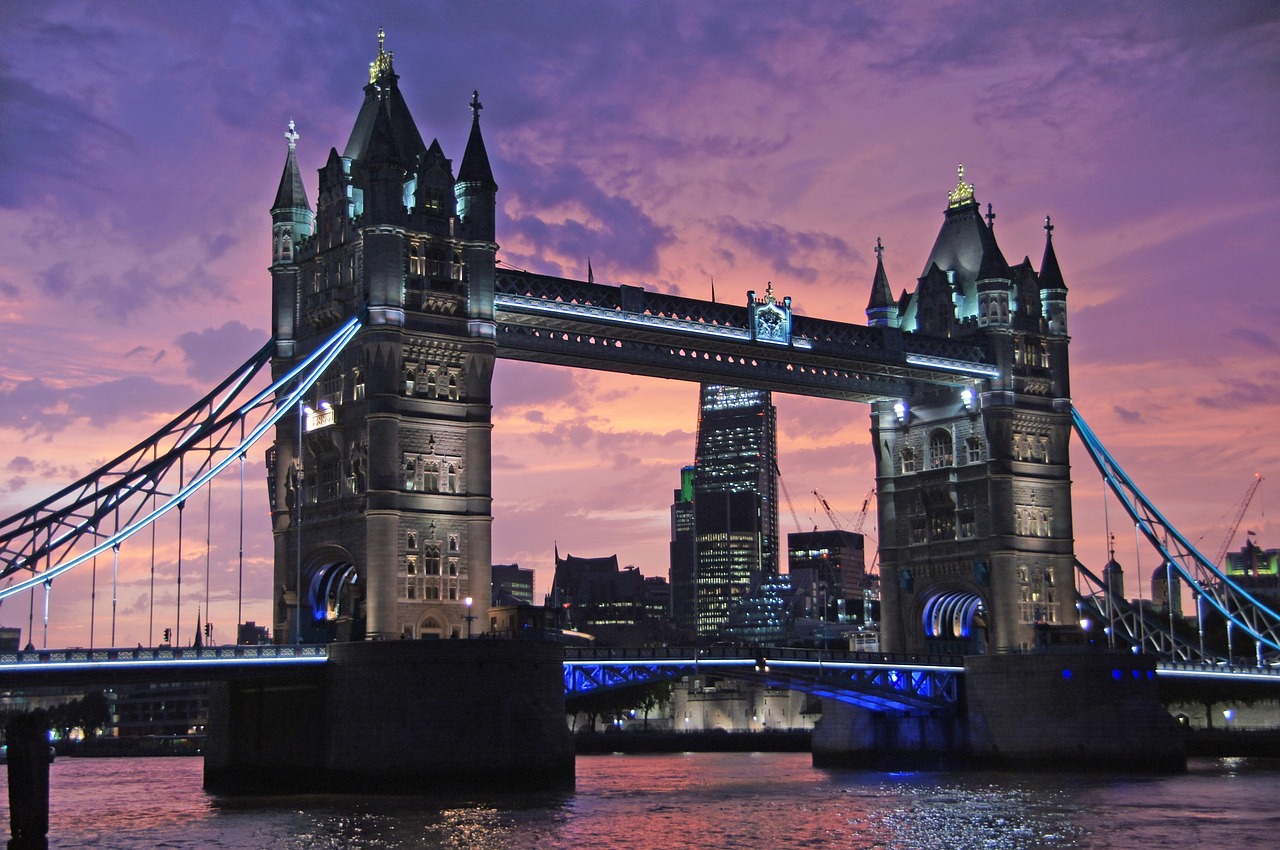
As you explore the White Tower, take a moment to appreciate the Royal Armories collection housed within. This impressive assembly includes the Crown Jewels, armor, and weaponry, offering insights into the regal and martial history of England. The grandeur of these artifacts highlights the artistic significance of the Tower, where art and power intersect.
Local culture surrounding the Tower of London is rich and deeply intertwined with its history. The Ceremony of the Keys, a tradition dating back to circa 1300, is a nightly ritual that involves the locking of the Tower gates. This centuries-old ceremony is performed by the Yeoman Warders, also known as Beefeaters, who have become a symbol of the Tower itself. Visitors can attend this ceremony, which offers a unique glimpse into the customs that have endured through the ages.
In terms of gastronomy, the area around the Tower of London reflects the diverse culinary heritage of the capital. Traditional British fare is easily found in nearby pubs and eateries. Try classic dishes such as fish and chips or bangers and mash. For a sweet treat, indulge in a slice of Victoria sponge cake, a nod to the era of the Victorian monarchy, which embraced the Tower’s historical significance. For a more contemporary option, the nearby St. Katharine Docks is home to various international cuisine offerings, reflecting London’s multicultural environment.
While many visitors flock to the Tower for its well-known attractions, some lesser-known curiosities await discovery. For instance, the Ravens of the Tower, a group of resident birds, are said to protect the Crown and the Tower itself. Legend has it that if the ravens ever leave, the kingdom will fall. As a result, the Tower keeps a minimum of six ravens at all times, with their wings clipped to ensure they remain on site. Additionally, beneath the Tower lies the Traitors' Gate, a grim reminder of the fate of those who crossed the monarchy.
For those planning a visit to the White Tower, the best time to go is during the shoulder seasons of spring and autumn. The crowds are more manageable, allowing for a more immersive experience. Arrive early to explore the Tower and its exhibits before the influx of tourists. Be sure to check the schedule for guided tours led by the Yeoman Warders, as they provide a wealth of knowledge and fascinating anecdotes about the Tower's rich history.
In conclusion, the White Tower is not merely a relic of the past but a living monument that continues to capture the imagination of visitors. Its blend of history, architecture, culture, and cuisine offers a multifaceted experience that is quintessentially London. To make the most of your visit, consider using the Secret World app for a personalized AI itinerary that will guide you through this historic site and beyond.


