
← Back

The wonder land f Socotra

Socotra, Yemen ★★★★☆ 268 views
Jenny Lopez
Socotra
🏆 AI Trip Planner 2026

Get the free app

Discover the best of Socotra with Secret World — the AI trip planner with 1M+ destinations. Get personalized itineraries, hidden gems and local tips. Free on iOS & Android.

🧠 AI Itineraries 🎒 Trip Toolkit 🎮 KnowWhere Game 🎧 Audio Guides 📹 Videos
Scan to download iOS / Android
Scan for AppGallery Huawei users

About The wonder land f Socotra

The wonder land f Socotra - Socotra | Secret World Trip Planner

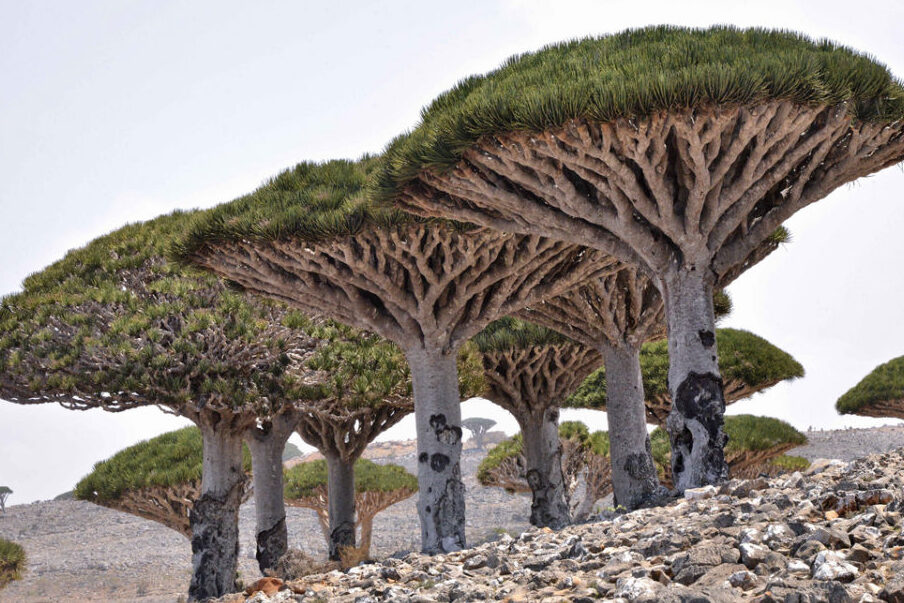
Today, it seems like most parts of the world are connected, thanks to technology. But there are still some very remote locations on our planet! We’ll learn more about one of those places today. We’re headed to an archipelago (chain of islands) in the Arabian Sea. Our destination? Socotra! Four islands make up Socotra. The nation is found off the easternmost part of the Horn of Africa. It’s about 155 miles northeast of Somalia. It’s part of Yemen and is about 210 miles southeast of that country’s mainland. One visit to Socotra would show you that it’s unlike any other place on Earth. What would you think an island in the Arabian Sea might look like? Beautiful, sandy beaches and palm trees might come to mind. However, the landscape of Socotra usually brings one word to mind: bizarre. Yes, there are sandy beaches. But Socotra’s 1,400 square miles is also full of large mountains, deep valleys, and limestone caves. The country is also home to desert plains with large sand dunes. Overall, its hot, dry climate makes for a harsh environment. The islands are full of native plants and animals unlike any others on the planet. Over one-third of Socotra’s 825 plant species can’t be found anywhere else. One of these is the rare dragon’s blood tree, which looks a bit like an umbrella. The island also hosts the giant succulent tree. Species of cucumber trees and pomegranates also grow there that are not found elsewhere. Most of the reptiles and land snails that live there are also special to the islands. Socotra is also home to many species of birds and marine life. However, you won’t find any native amphibians. There’s also only one native mammal: the bat. This diversity of life, along with Socotra’s natural beauty, led UNESCO to make Socotra a World Heritage Site in 2008.

🗺 AI Trip Planner 2026

Plan your visit to Socotra

Suggested itinerary near The wonder land f Socotra

MAJ+
500.000+ travelers worldwide
  1. 🌅
    Morning
    The wonder land f Socotra
    📍 Socotra
  2. ☀️
    Afternoon
    Socotra Island - The Lost World ( Yemen )
    📍 0 km · Socotra

Buy Unique Travel Experiences

Powered by Viator

See more on Viator.com

Explore nearby · Socotra

Frequently Asked Questions

Socotra's landscape is remarkably bizarre compared to typical tropical islands, featuring not just sandy beaches but also large mountains, deep valleys, limestone caves, desert plains, and massive sand dunes. The hot, dry climate creates a harsh environment that supports an incredible diversity of plant and animal life found nowhere else on Earth, which earned it UNESCO World Heritage Site status in 2008.
Socotra is home to over 825 plant species, with more than one-third found exclusively on these islands. The most iconic is the rare dragon's blood tree, which resembles an umbrella in shape, along with unique species of giant succulent trees, cucumber trees, and pomegranates that cannot be found anywhere else in the world.
Socotra is an archipelago of four islands located in the Arabian Sea, approximately 155 miles northeast of Somalia and about 210 miles southeast of Yemen's mainland, of which it is a part. As a remote location, access is limited and typically requires traveling through Yemen, though visitors should check current travel advisories and political conditions before planning a trip.
Socotra hosts an extraordinary array of endemic wildlife including most of its reptile species, unique land snails, diverse bird species, and rich marine life that exist nowhere else. Interestingly, the islands have no native amphibians and only one native mammal—the bat—making the wildlife composition distinctly different from other island ecosystems.
Socotra was designated a UNESCO World Heritage Site in 2008 due to its exceptional natural beauty and unparalleled biodiversity, with over one-third of its 825 plant species and most of its reptiles and land snails found nowhere else on the planet. This remote archipelago represents one of the most isolated and unique ecosystems on Earth, making it truly unlike any other place in the world.