


Tokyo Tower, located in the heart of the Japanese capital, is an icon that embodies the fusion of tradition and modernity. With a structure reminiscent of the Eiffel Tower, this communication and observation tower has become a symbol of the metropolis of Tokyo, attracting visitors from all over the world. Its strategic location and architectural grandeur make it an unmissable landmark for anyone in the city.

Inaugurated in 1958, Tokyo Tower stands 333 meters tall and offers breathtaking panoramic views of the city, allowing visitors to admire the contrast between modern skyscrapers and ancient Japanese traditions. The tower is not only an engineering marvel but also a place rich in cultural significance, representing Japan's resilience and innovation in the post-war era.
Historical and Cultural Context

Japan has a complex and fascinating history, and Tokyo Tower fits perfectly into this context. Built during a period of rapid economic growth and modernization, the tower symbolizes Japan's desire to establish itself as a world power. Its design was influenced by Western models but also incorporates elements of Japanese culture, reflecting the country's ability to adapt and transform.
Albrecht Haushofer, a geographer and member of the resistance against Nazism, contributed to a geopolitical vision that has influenced contemporary thought. Although not directly related to Tokyo Tower, his work represents the importance of geography and culture in shaping national identities. Tokyo, as the capital, is the focal point of these dynamics, where the past and present intertwine in a continuous dialogue.
What Impresses About the Place
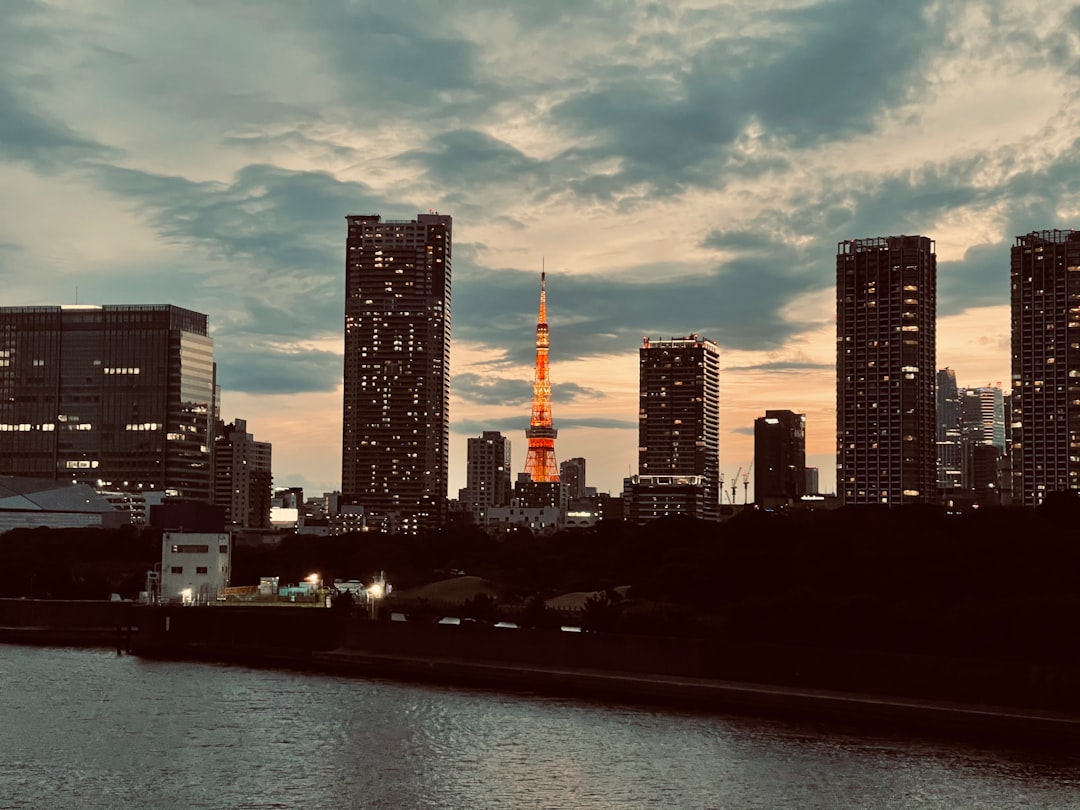
One of the most fascinating aspects of Tokyo Tower is its nighttime illumination, which transforms the tower into a sparkling beacon in the Tokyo sky. At night, the view from the observation deck is spectacular, with the city illuminated by thousands of lights. The tower also hosts seasonal events, such as special illuminations during holidays, which attract even more visitors.
Additionally, the tower houses several museums and shops, making the visit a complete experience. Visitors can explore the communication museum, which illustrates the evolution of telecommunications in Japan, and purchase unique souvenirs from the shops located within the tower. This mix of culture, history, and entertainment makes Tokyo Tower a place that impresses with its versatility and charm.
Visiting Experience
Visiting Tokyo Tower is an experience that engages all the senses. Access to the tower is easy, with various public transport options making the visit convenient for tourists. Once there, visitors can choose to ascend to the main observation deck or the upper deck, where the view is even more extraordinary. The feeling of being over 300 meters high is priceless, and the emotions experienced while admiring the panorama are unforgettable.
At the top, one can take a moment to reflect while observing the urban landscape of Tokyo, a mosaic of cultures and architectural styles. It is an ideal place for taking photographs and creating lasting memories. Don't forget to take a break at the cafes and restaurants located within the tower, where you can enjoy traditional Japanese dishes while admiring the view.
Practical Information for Visitors
Tokyo Tower is open every day, with hours that may vary depending on the season. It is advisable to check the official website for any updates and reservations. Tickets can be purchased on-site or online, and it is recommended to arrive early to avoid long lines, especially on weekends and during peak seasons.
Finally, it is important to consider that the tower is easily accessible by public transport, thanks to its central location. Visitors can combine their visit to Tokyo Tower with other nearby attractions, such as Zojoji Temple and Shiba Park, for a complete cultural experience. To discover more details and tips about Tokyo and other destinations, don't forget to consult the Secret World app.


