
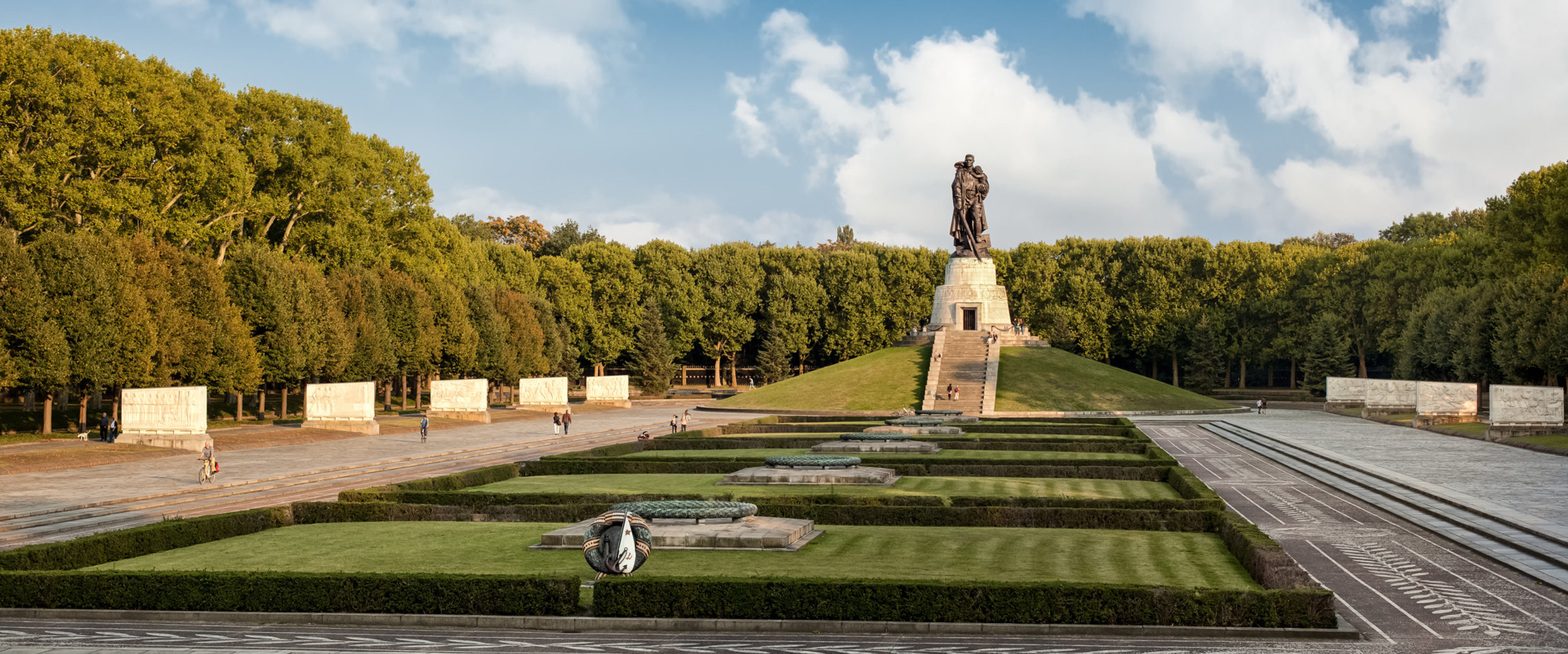

In the heart of Berlin, nestled within the lush greenery of Treptower Park, stands a monumental tribute to the sacrifices made during World War II. This remarkable site is both a memorial and a war cemetery, honoring the approximately 80,000 Soviet soldiers who lost their lives during the fierce battle for the city. Spanning over 100,000 square meters, Treptower Park is the largest Soviet war memorial in Germany and serves as a poignant reminder of the past.
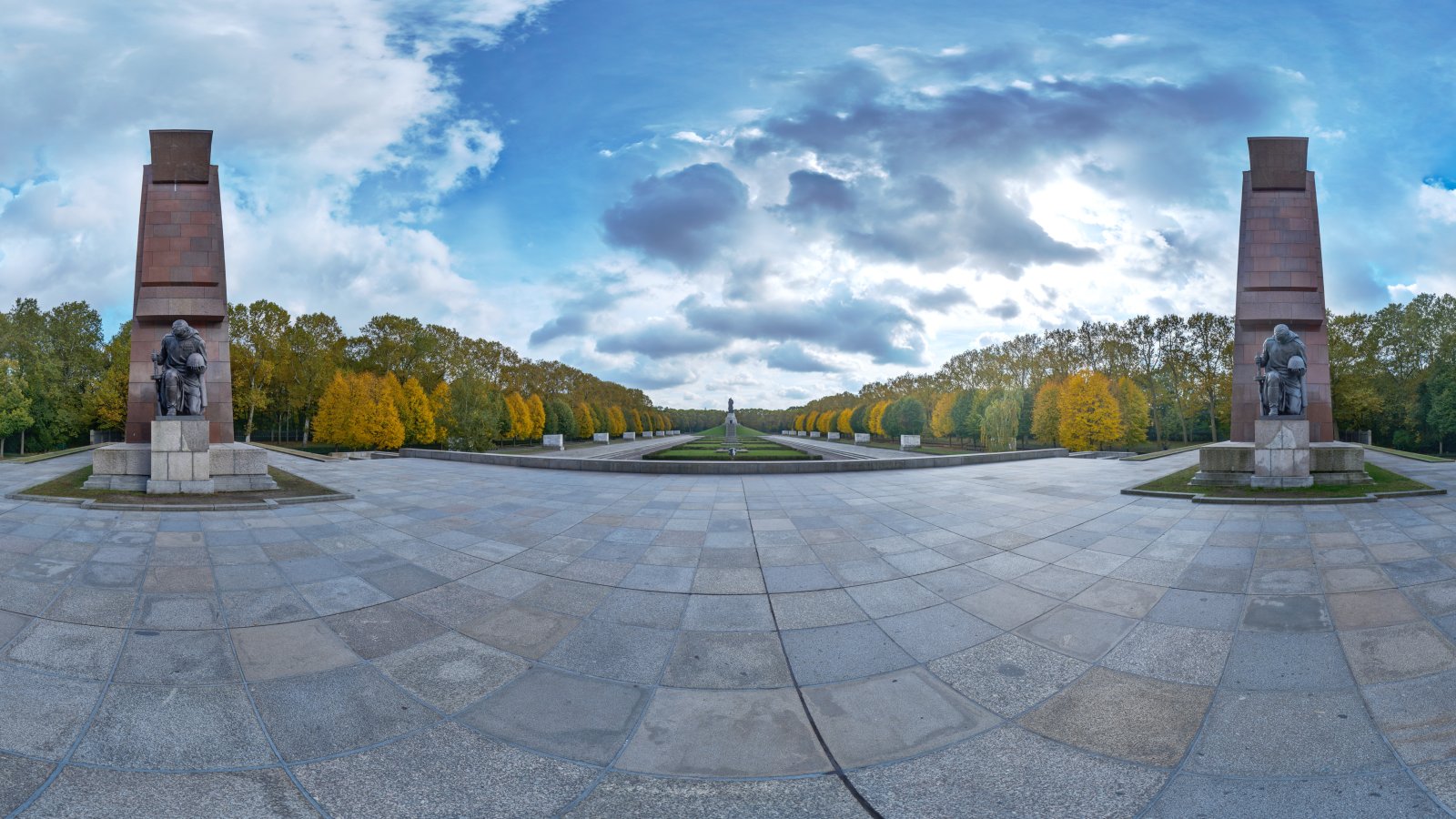
The origins of Treptower Park date back to the 19th century, when it was established in 1888 as a public recreational area. The park, designed by renowned landscape architect Peter Joseph Lenné, quickly became a beloved spot for Berliners to escape the urban hustle. However, the park's character shifted dramatically during the aftermath of World War II. In 1946, the decision was made to transform a section of the park into a memorial for the fallen Soviet soldiers, leading to the construction of the memorial complex between 1946 and 1948.
The architecture of the memorial is both grand and solemn, reflecting the gravity of its purpose. The site was designed by architect Semyon D. S. Mikhailov, who skillfully combined elements of Soviet monumentalism with a sense of emotional impact. The centerpiece is a towering mausoleum, capped by a striking statue of a Soviet soldier cradling a rescued German child, symbolizing the liberation of Berlin. The statue, crafted from 40,000 cubic meters of granite, is flanked by impressive memorial slabs and frescoes that narrate the harrowing course of the war.
Each element of the memorial is thoughtfully positioned, creating a powerful narrative that guides visitors through the history of the conflict. Notably, the series of long tiers leading up to the mausoleum are lined with Soviet flags and floral arrangements, creating a path of remembrance. The sheer scale and artistry of the memorial elicit a deep sense of reflection and reverence, making it a significant cultural landmark not only in Berlin but throughout Western Europe.
As visitors explore Treptower Park, they can immerse themselves in local culture and traditions. The park is a gathering place for Berliners who come to enjoy picnics, outdoor sports, and leisurely walks. During the summer months, the park comes alive with various events, including open-air concerts and festivals celebrating German and Soviet culture. One notable event is the annual Victory Day, held on May 9th, where local communities honor the sacrifices made during World War II with ceremonies and gatherings.
No visit to Treptower Park would be complete without indulging in some of the local gastronomy. Just a short stroll from the memorial, visitors can find charming cafés and eateries offering traditional German fare. One must-try dish is the Currywurst, a beloved street food consisting of a grilled sausage slathered in a tangy curry sauce. Pair it with a refreshing Berliner Weisse, a local wheat beer, to experience a true taste of Berlin. Additionally, the nearby Spree River offers opportunities to enjoy riverside dining, where fresh fish dishes and regional specialties can be savored.
For those seeking a deeper connection to the site, there are lesser-known curiosities that enrich the experience. One such detail is the eternal flame located at the base of the mausoleum, which burns continuously to honor the memory of the fallen soldiers. Additionally, many visitors overlook the intricate mosaics that depict scenes from the war, subtly woven into the landscape. These artistic features add layers of meaning to the memorial, inviting observers to reflect on the complexity of history.
When planning a visit, the best time to explore Treptower Park is during the spring and summer months, when the weather is mild and the park is in full bloom. Early mornings or late afternoons provide a serene atmosphere, allowing for quiet contemplation amidst the towering trees and expansive lawns. Visitors should take their time to walk through the memorial complex, appreciating the artistry and honoring the memories of those who sacrificed everything.
For an enriching experience, consider engaging with local guides who can provide insights into the park's history and the broader narrative of Berlin during and after the war. Look for the small information plaques scattered throughout the site, which offer fascinating context about specific elements of the memorial.
As you wander through Treptower Park, letting the weight of history settle in, remember that this place is more than just a memorial; it is a testament to resilience, remembrance, and the enduring quest for peace. To enhance your visit to Berlin, consider using the Secret World app to curate a personalized itinerary that captures the essence of this vibrant city.


