
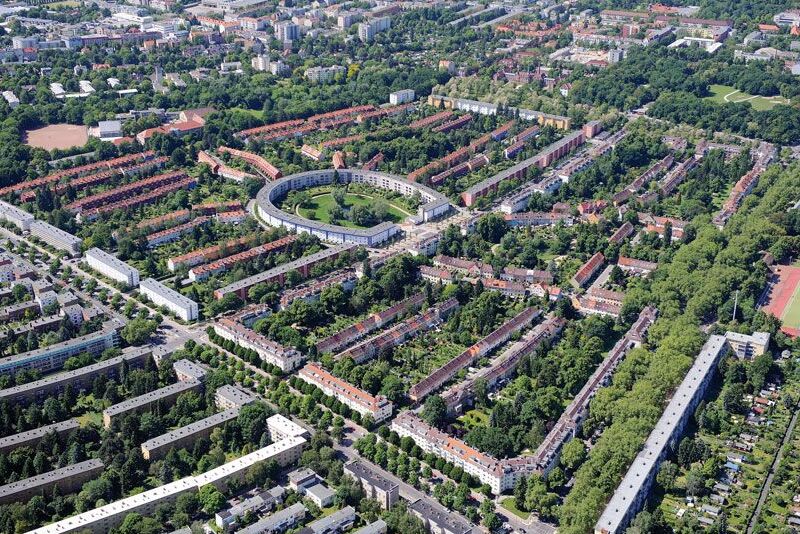

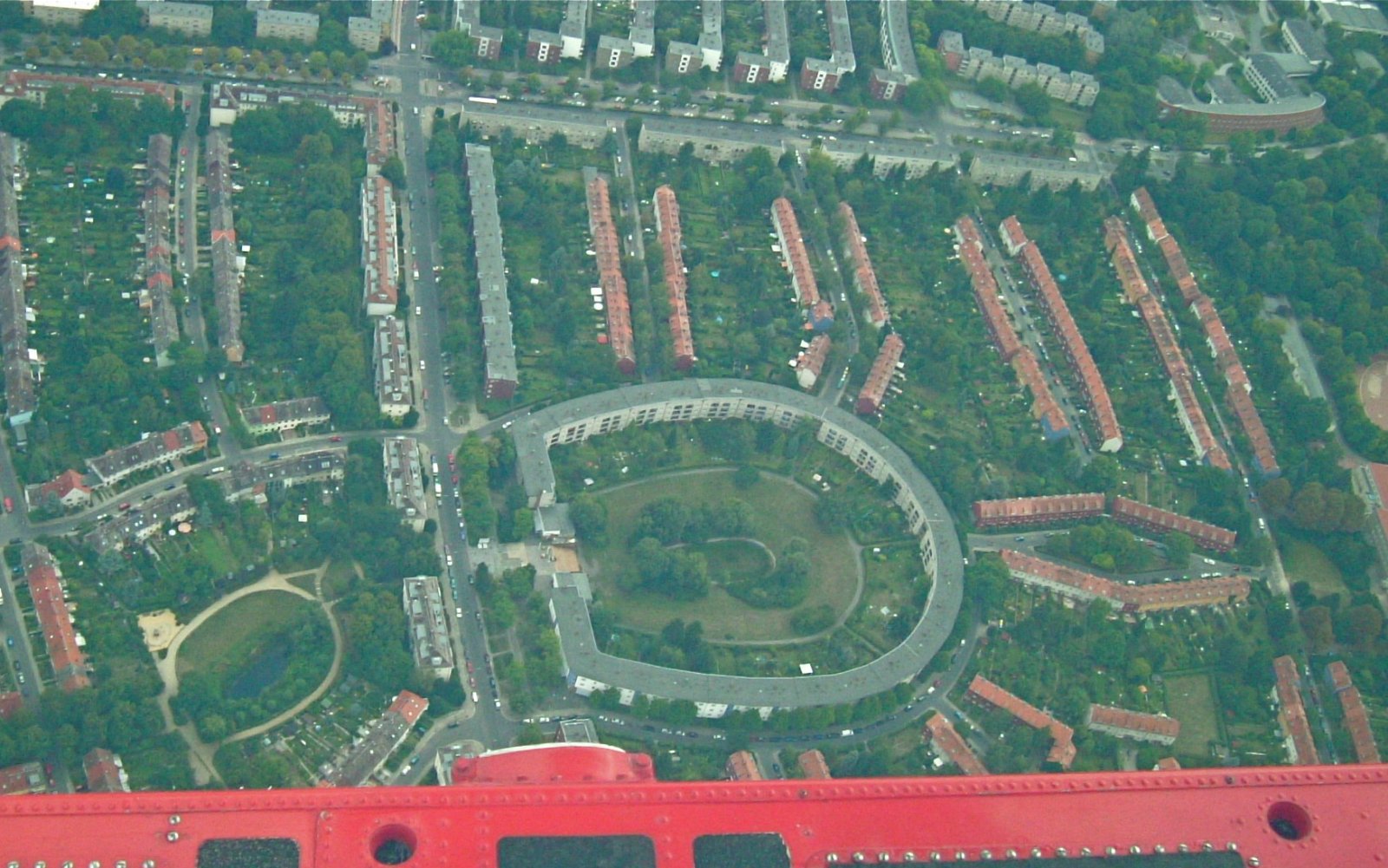
Nestled within the vibrant fabric of Berlin, the Hufeisensiedlung stands as a testament to innovative urban planning and architectural brilliance from the early 20th century. Constructed between 1925 and 1933, this distinctive housing estate was designed by prominent figures such as architect Bruno Taut, municipal planning head Martin Wagner, and garden architect Leberecht Migge. Its unique horseshoe shape and pioneering designs reflect the ideals of the Berlin Modernism Movement, which sought to create functional yet aesthetically pleasing living spaces for the masses. In 1986, the estate was designated as a protected heritage site, and its significance was further recognized in 2008 when it was awarded UNESCO World Heritage status, emphasizing its role as a milestone in modern urban housing. The Hufeisensiedlung is celebrated not only for its architecture but also for the vibrant community it fosters.
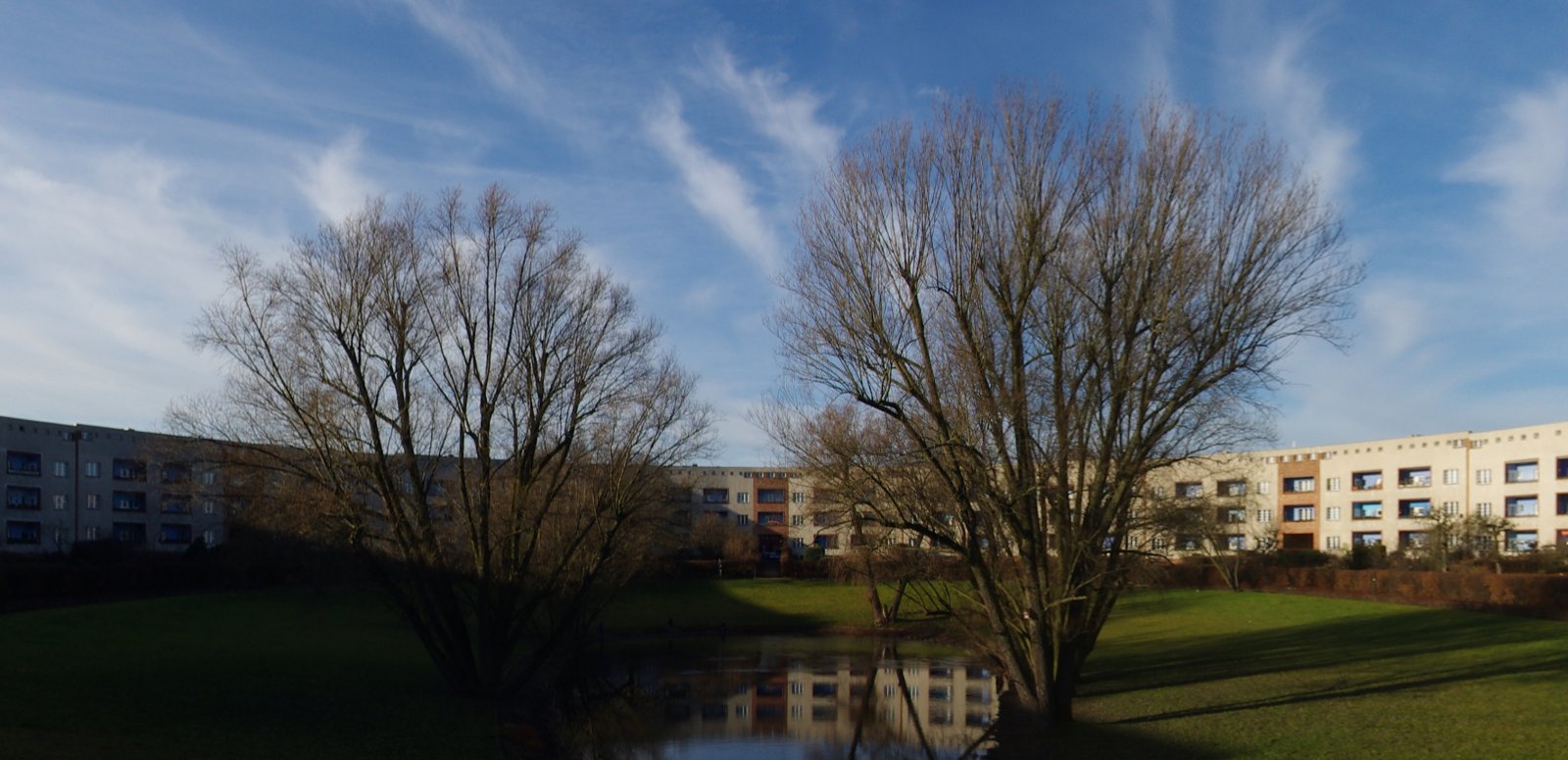
History and Origins The origins of the Hufeisensiedlung are deeply rooted in the socio-economic shifts of post-World War I Germany. The housing crisis of the 1920s prompted a movement towards creating affordable living spaces for the growing urban population. Bruno Taut, a visionary architect known for his commitment to social housing, led the charge to design a neighborhood that was not just functional but also infused with beauty and community spirit. The estate originally comprised around 1,200 units, designed to accommodate a diverse populace. Its distinctive horseshoe layout was a revolutionary departure from traditional housing estates, promoting communal areas and green spaces where residents could interact and thrive.
Art and Architecture The architectural style of the Hufeisensiedlung is a striking example of Expressionist architecture, characterized by its colorful facades, innovative use of materials, and emphasis on harmonizing with nature. The buildings are adorned with vibrant tiles, bold geometric shapes, and large windows that flood the interiors with light. Notable artworks, including murals and sculptures, can be found throughout the estate, reflecting the artistic spirit of the era. Taut's design philosophy emphasized the importance of living environments that inspired creativity and joy, a vision that resonates through the estate's public spaces and private gardens.
Local Culture and Traditions Life within the Hufeisensiedlung is marked by a strong sense of community and cultural identity. Local customs often revolve around seasonal festivals, which bring residents together to celebrate the beauty of their environment. For instance, the Hufeisensiedlung Sommerfest is an annual event that features live music, food stalls, and activities for families, fostering a spirit of togetherness. The estate also hosts workshops and cultural programs that highlight the history and significance of the area, encouraging residents and visitors alike to engage with its rich heritage.
Gastronomy Exploring the culinary landscape around the Hufeisensiedlung leads to delightful discoveries. The neighborhood is surrounded by cafes and eateries that reflect the diversity of Berlin’s gastronomic scene. Local specialties include Berliner Currywurst, a beloved street food, and Kreuzberger Döner, a Turkish-inspired dish that has become a staple in the city. For a sweet treat, don’t miss the traditional Berliner Pfannkuchen, a jam-filled doughnut that locals enjoy during special occasions. The nearby markets also offer fresh produce and artisanal products, embodying the vibrant flavors of the region.
Lesser-known Curiosities One of the unique aspects of the Hufeisensiedlung is its integration of green spaces within the urban environment. The estate features communal gardens designed by garden architect Leberecht Migge, who believed in the therapeutic value of nature. Additionally, the estate’s design includes innovative features such as an underground heating system that was revolutionary at the time. Interestingly, Taut also envisioned the use of color theory in the estate’s facades, believing that certain colors could positively affect the residents' mood and well-being.
Practical Visitor Information The best time to visit the Hufeisensiedlung is during the warmer months, from May to September, when the gardens are in full bloom, and community events are plentiful. It's advisable to take a guided tour to fully appreciate the architectural nuances and historical context of this remarkable estate. Don’t forget your camera; the colorful buildings and beautifully landscaped gardens provide a stunning backdrop. You can also explore nearby attractions like the Britzer Garten or the Neukölln district, which offer further insights into Berlin's diverse culture.
A visit to the Hufeisensiedlung is more than just a journey through a unique architectural site; it’s an exploration of community, history, and the spirit of innovation that defines Berlin. Let the Secret World app help you craft a personalized itinerary to make the most of your trip to this remarkable destination.


