
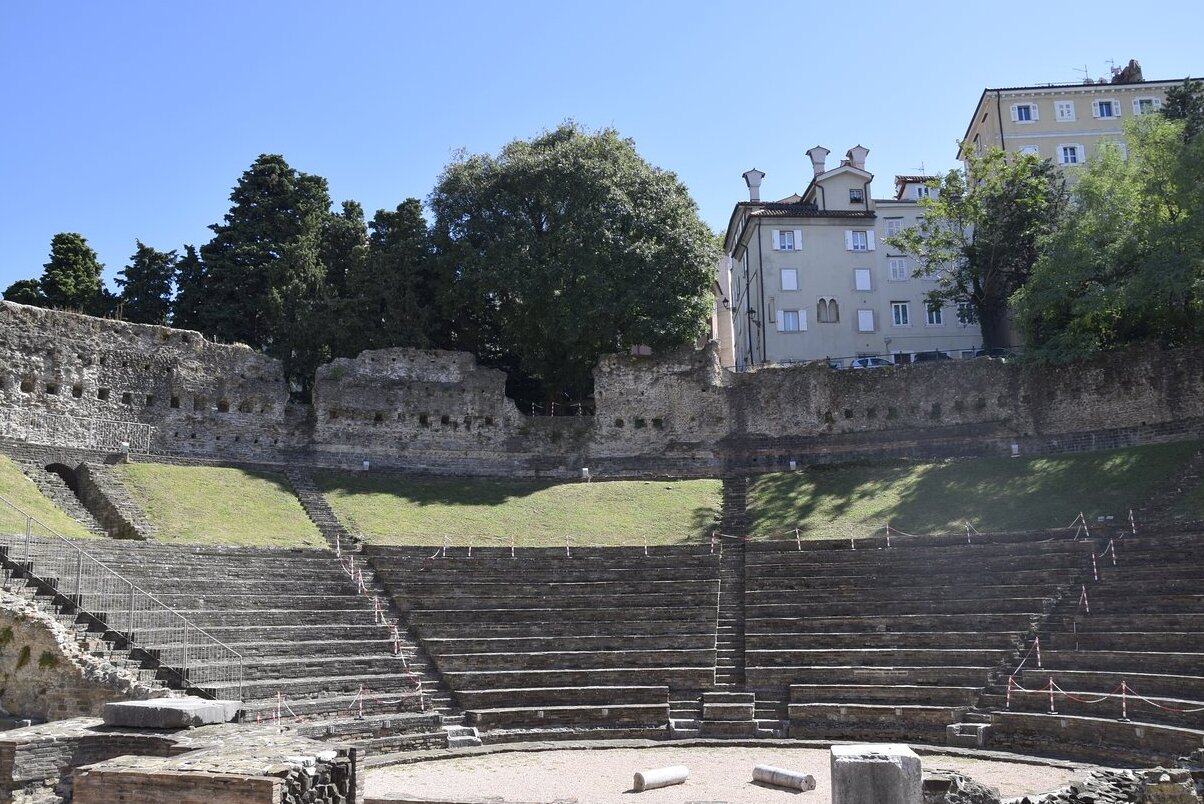

Nestled in the heart of Trieste, the remnants of its Roman Theatre whisper tales of glory, artistry, and ancient civic life. This remarkable structure, partially hidden beneath layers of history, is a testament to the city’s rich cultural tapestry.
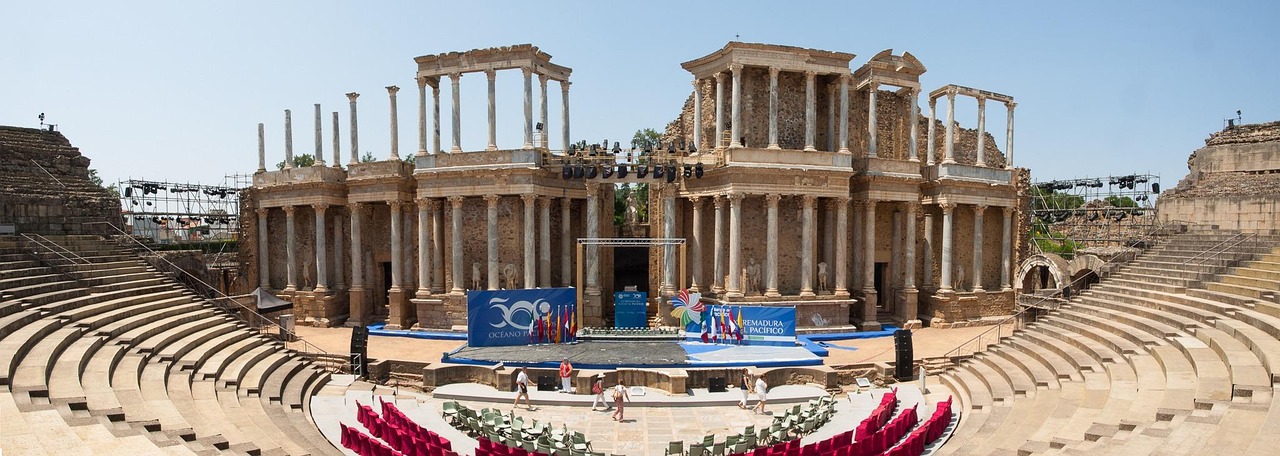
The origins of the Roman Theatre date back to the Augustan age, around the first century BC. Built into the hillside of San Giusto, it was designed to accommodate around 6,000 spectators, showcasing the grandeur of Roman architectural ingenuity. Its construction was a significant event in the urban development of Tergeste, the city’s name during Roman times. As the Roman Empire flourished, so did the theatre, becoming a central hub for cultural expression and social interaction.
The theatre's discovery in the 1930s was a revelation. Excavations revealed the remnants of medieval houses built into its walls, which had long obscured the structure’s magnificence. The restoration efforts unveiled the cavea, or seating area, which gracefully follows the natural slope of the hill, and the orchestra, the area where performers would entertain the audience. The scaena, the stage adorned with niches that once held statues of important figures, further emphasizes the artistic ambition of the Romans. Among the notable personalities commemorated was Quintus Petronius Modestus, a procurator under Emperor Trajan, who contributed to the theatre's restoration in the early 2nd century.
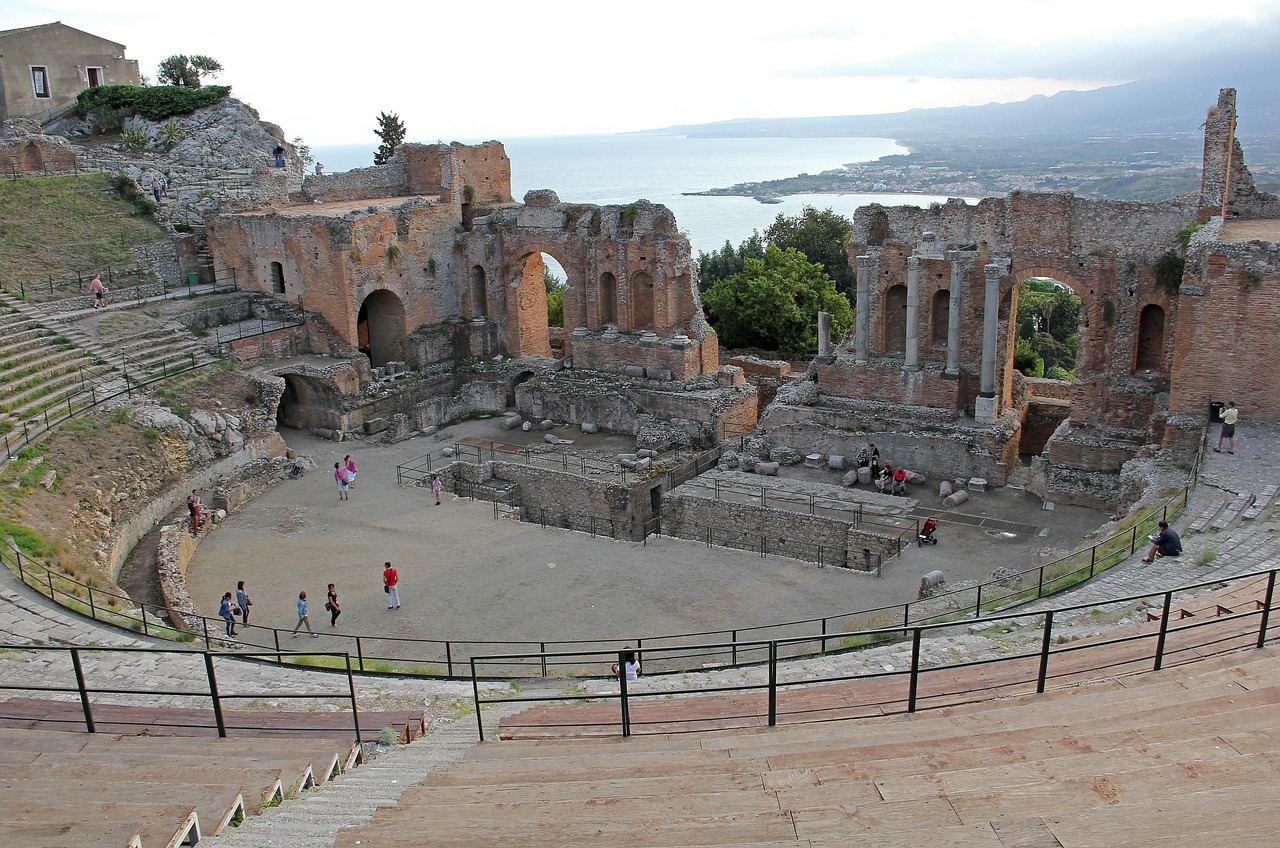
Architecturally, the Roman Theatre embodies the classic style of Roman theatres, characterized by its semi-circular seating arrangement and a raised stage. The dramatic backdrop of the hill adds a natural grandeur to its design. Visitors can still appreciate the remaining decorations, including the intricate niches that once housed statues, which speak to the artistic pursuits of the era. The remnants of the theatre reveal not just a place for entertainment but a venue that facilitated civic pride and community engagement.
Culturally, Trieste has a rich tradition that intertwines with the legacy of the theatre. The city has been a melting pot of cultures, influenced by its historical ties to the Austro-Hungarian Empire and its proximity to the Adriatic Sea. Local customs reflect this blend, with festivals such as Barcolana, an annual sailing regatta that captures the spirit of the sea and community. While not directly tied to the theatre, these events resonate with the collective memory of public gatherings that the theatre once hosted.
When it comes to gastronomy, Trieste offers a culinary landscape that is as diverse as its history. The city is renowned for its coffee culture, with historic cafés like Caffè San Marco serving as gathering spots for artists and intellectuals. Visitors can savor local delicacies such as prosciutto di San Daniele, fresh seafood, and goulash, reflecting the region's Central European influences. A must-try is strucolo de pomi, a traditional apple strudel that embodies the sweet side of Triestine cuisine.
Amidst the grandeur of the Roman Theatre, there are lesser-known curiosities that make a visit even more intriguing. One such detail is the theatre’s alignment; local legends suggest that it was strategically positioned to enhance acoustics, allowing even the softest whispers to reach the back rows. Visitors often miss the inscription of Quintus Petronius Modestus, which provides a glimpse into the theatre's historical significance and the personal contributions of its patrons. The inscriptions, elegantly carved into stone, serve as a reminder of the city’s vibrant past.
For those planning a visit, the best time to explore the Roman Theatre is during the spring and early autumn months when the weather is mild, and the tourist crowds are lighter. Guided tours are available, offering deeper insights into the history and architecture of this ancient site. Be sure to look for the beautifully preserved sections of the scaena, as well as the stunning views of Trieste that unfold from the theatre’s elevated position.
As you wander through the remnants of the Roman Theatre, take a moment to appreciate the rich history that echoes through its stones. Each step reveals layers of stories from a time when this site was a vibrant center of community and culture.
To enhance your visit, consider using the Secret World app to curate a personalized itinerary that captures the essence of Trieste.


