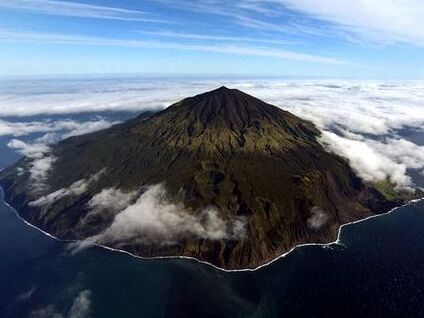

Tristan da Cunha, often heralded as the world’s most remote inhabited archipelago, lies in the vast expanse of the South Atlantic Ocean. This British Overseas Territory is a dazzling group of volcanic islands, known not only for its breathtaking landscapes but also for its rich history and remarkable local culture. With the nearest landmass, Saint Helena, over 1,500 miles away, Tristan da Cunha offers a unique retreat for those seeking solitude and natural beauty.
### History and Origins The history of Tristan da Cunha is as captivating as its landscapes. Discovered in 1506 by Portuguese explorer Tristan de Cunha, the island remained largely uninhabited until the 19th century. The first permanent settlers arrived in 1816, when the British sought to establish a military outpost to prevent the French from using the island as a base for their naval activities. By the early 1900s, a small community had formed, largely comprised of shipwrecked sailors and settlers from various backgrounds.
A key event in the island’s history occurred in 1961, when a volcanic eruption forced the entire population to evacuate to Saint Helena and the United Kingdom. The residents returned in 1963, and since then, the island has maintained its unique identity, balancing modernity with tradition. Today, there are about 269 residents, primarily descendants of the original settlers.
### Art and Architecture The architectural landscape of Tristan da Cunha is modest yet functional, reflecting the island’s practical needs rather than extravagant designs. The main settlement, Edinburgh of the Seven Seas, features simple, brightly painted houses that contrast with the dramatic backdrop of volcanic cliffs and rolling hills. The community's buildings often serve dual purposes, functioning as homes, shops, and community centers.
Art on the island is more about the expression of local life and culture. The islanders often engage in crafts such as knitting and woodworking, creating beautiful items that tell their stories. Notable artworks often depict the stunning marine life and the rugged landscapes that surround their homes, offering a glimpse into the island's natural beauty.
### Local Culture and Traditions Tristan da Cunha boasts a rich tapestry of local customs and traditions that reflect its diverse heritage. The island celebrates various festivals throughout the year, with the most significant being Saints' Day, which honors their patron saint and features communal feasts and festivities.
A unique aspect of island culture is the tradition of storytelling, where older generations pass down tales of the sea, shipwrecks, and local legends to younger residents. This oral tradition plays a vital role in preserving their history, fostering a strong sense of community and identity among the inhabitants.
### Gastronomy The cuisine of Tristan da Cunha is a delightful blend of influences, primarily shaped by the island's isolation. Seafood plays a central role in local gastronomy, with residents often catching fresh fish, crabs, and lobsters. A traditional dish is Tristan Lobster, served grilled or in hearty soups. Additionally, the islanders grow their own vegetables and maintain livestock, which contributes to their self-sufficient lifestyle.
One must-try delicacy is the Island Cake, a rich fruitcake made with local ingredients and often enjoyed during celebrations. Moreover, the island’s unique position allows for the occasional import of goods, resulting in a mix of British-style teas and biscuits that complement the local fare.
### Lesser-Known Curiosities While most visitors may focus on the breathtaking scenery and wildlife, several lesser-known curiosities about Tristan da Cunha are worth exploring. For instance, the island has its own postage stamps, which are highly prized by collectors worldwide.
Additionally, the island's remoteness has led to the development of a unique dialect, a blend of English and Scottish, peppered with local phrases that reflect the islanders’ heritage. Another interesting fact is that Tristan da Cunha is home to the world's most remote post office, where residents send and receive mail only a few times a month.
### Practical Visitor Information The best time to visit Tristan da Cunha is during its summer months, from December to March, when the weather is milder and the chances of rain are lower. However, travelers should be prepared for a lack of tourist infrastructure; accommodations are limited, and visitors often need to arrange their trips well in advance.
Getting to the island requires a journey by sea, typically taking a week or more from South Africa. Once on the island, visitors can explore its rugged landscapes, observe the abundant wildlife, and immerse themselves in the unique local culture. Don’t miss the opportunity to hike the island’s trails or engage with the friendly residents, who are often eager to share their stories.
For those looking to create a personalized travel experience, consider using the Secret World app to plan your itinerary for this extraordinary destination.
