
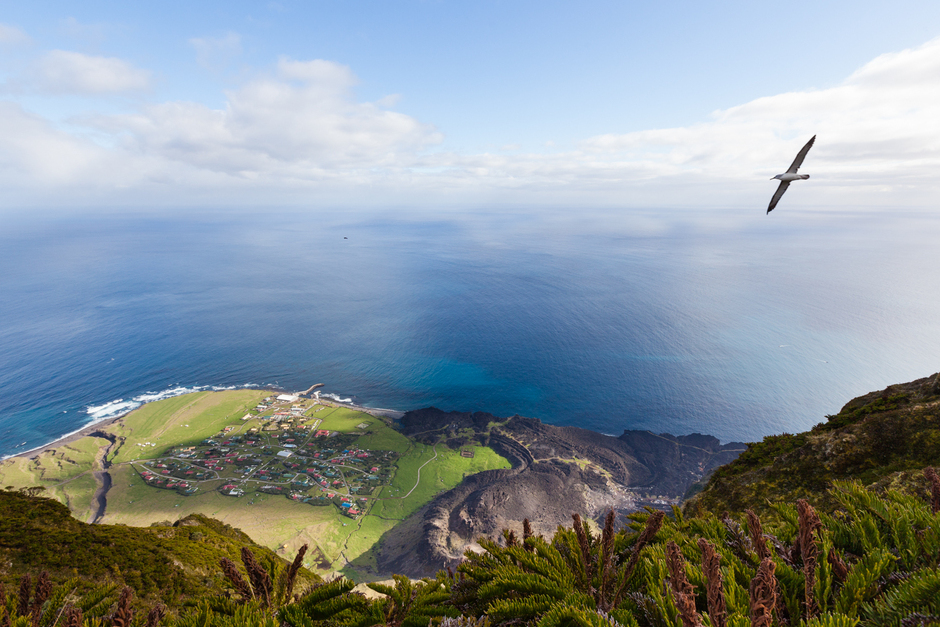

Tristan da Cunha, the most remote inhabited island in the world, is a captivating destination steeped in history and culture. This isolated gem stands 3,000 km from the nearest mainland, nestled in the vastness of the South Atlantic Ocean between Cape Town and Buenos Aires. The island is the summit of an active volcano, which adds to its rugged beauty and allure.
History and Origins Tristan da Cunha was first sighted in 1506 by the Portuguese navigator Tristão da Cunha, who lent his name to the island. However, it wasn't until 1767 that it was surveyed by the British, marking the beginning of its recorded history. The island's strategic position led to its annexation by the United Kingdom in 1815. This was a significant event, as it was intended to deter the French from using it as a base to liberate Napoleon Bonaparte from his exile on nearby Saint Helena. Over the years, the island has seen waves of settlers and has endured volcanic eruptions, most notably in 1961, which forced an evacuation of its residents.
Art and Architecture The architectural style of Tristan da Cunha is predominantly functional, reflecting the island's isolation and the practical needs of its inhabitants. The main settlement, Edinburgh of the Seven Seas, is characterized by simple, brightly painted houses that provide a stark contrast to the dramatic landscape. Notable artworks can be found in local schools, where children are encouraged to express their connection to nature through various artistic mediums. The island's artistic significance lies not only in its physical creations but also in its storytelling through oral traditions, which have shaped its cultural identity.
Local Culture and Traditions The islanders, known as Tristanites, have a rich cultural tapestry that blends British heritage with local customs. Festivals, such as Saint George’s Day, are celebrated with enthusiasm, featuring traditional music and dance. Harvest Day is another significant event, where the community comes together to celebrate the bounty of their land and sea. The island's remoteness has fostered a unique sense of camaraderie among the residents, who are known for their hospitality and warmth towards visitors.
Gastronomy Cuisine on Tristan da Cunha reflects its isolation, relying heavily on local produce and seafood. One must-try dish is the Tristan crab, renowned for its sweet, delicate flavor. Islanders also enjoy potatoes, which are one of the few crops that thrive in the volcanic soil. Additionally, the island's residents often prepare stew with locally sourced meats and vegetables, offering a hearty taste of island life. For drinks, local beer brewed from the island’s unique ingredients is a must-sip, providing a refreshing complement to the local fare.
Lesser-known Curiosities Beyond its scenic beauty and intriguing history, Tristan da Cunha harbors some fascinating tidbits. The island has its own postage stamps, recognized around the world, which are highly sought after by collectors. Interestingly, the island's inhabitants have a unique dialect influenced by their British ancestry and the isolation of their environment, often leaving visitors curious. Moreover, Tristan da Cunha is home to one of the world’s most remote schools, where children receive education that combines traditional subjects with lessons on island sustainability and conservation.
Practical Visitor Information The best time to visit Tristan da Cunha is during the Southern Hemisphere's summer months, from December to March, when the weather is milder and more pleasant. Access to the island is limited, with infrequent boat services from South Africa taking about a week to reach the island. Visitors should be prepared for basic accommodations and limited amenities, which only add to the charm of experiencing life on one of the world's most remote islands. When visiting, keep an eye out for the island's unique wildlife, including seabirds and endemic plants that thrive in this isolated ecosystem.
In conclusion, Tristan da Cunha offers a glimpse into a world that feels untouched by time, rich with history, culture, and natural beauty. For those looking to explore this remote paradise, consider using the Secret World app to plan a personalized itinerary that captures the essence of this extraordinary destination.


