
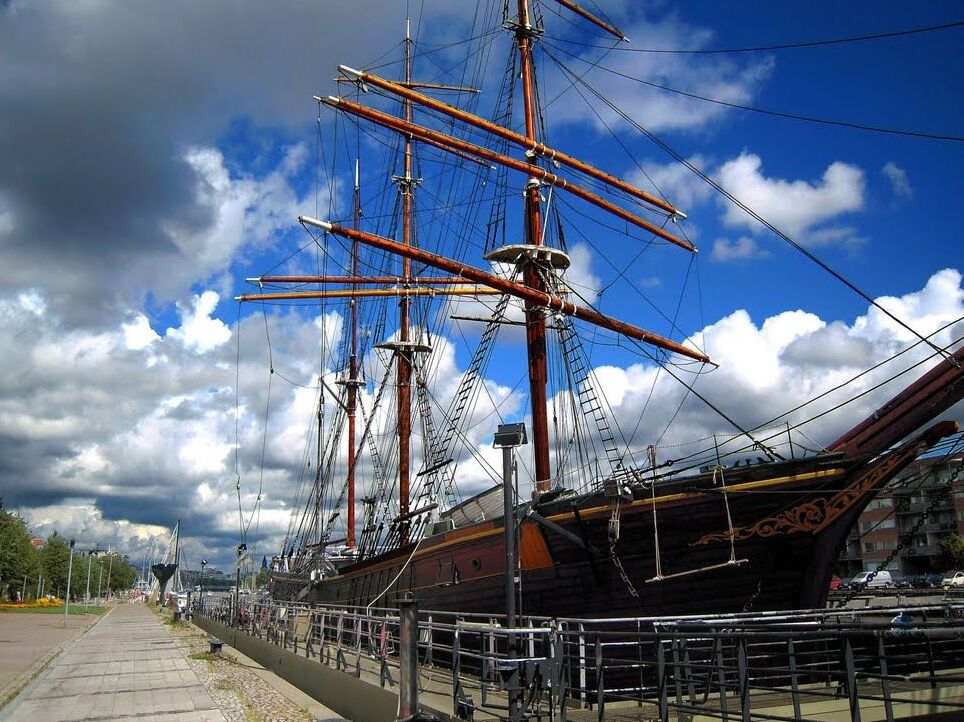

Nestled in the historic maritime heart of Turku, Finland, the Museum Ship Sigyn stands as a testament to the golden age of sailing and shipbuilding. This majestic three-masted barque, built in 1887 in Gothenburg, Sweden, is not only a relic of maritime history but also a vibrant cultural centerpiece that vividly illustrates the lives of mariners and the intricate shipbuilding techniques of the late 19th century.
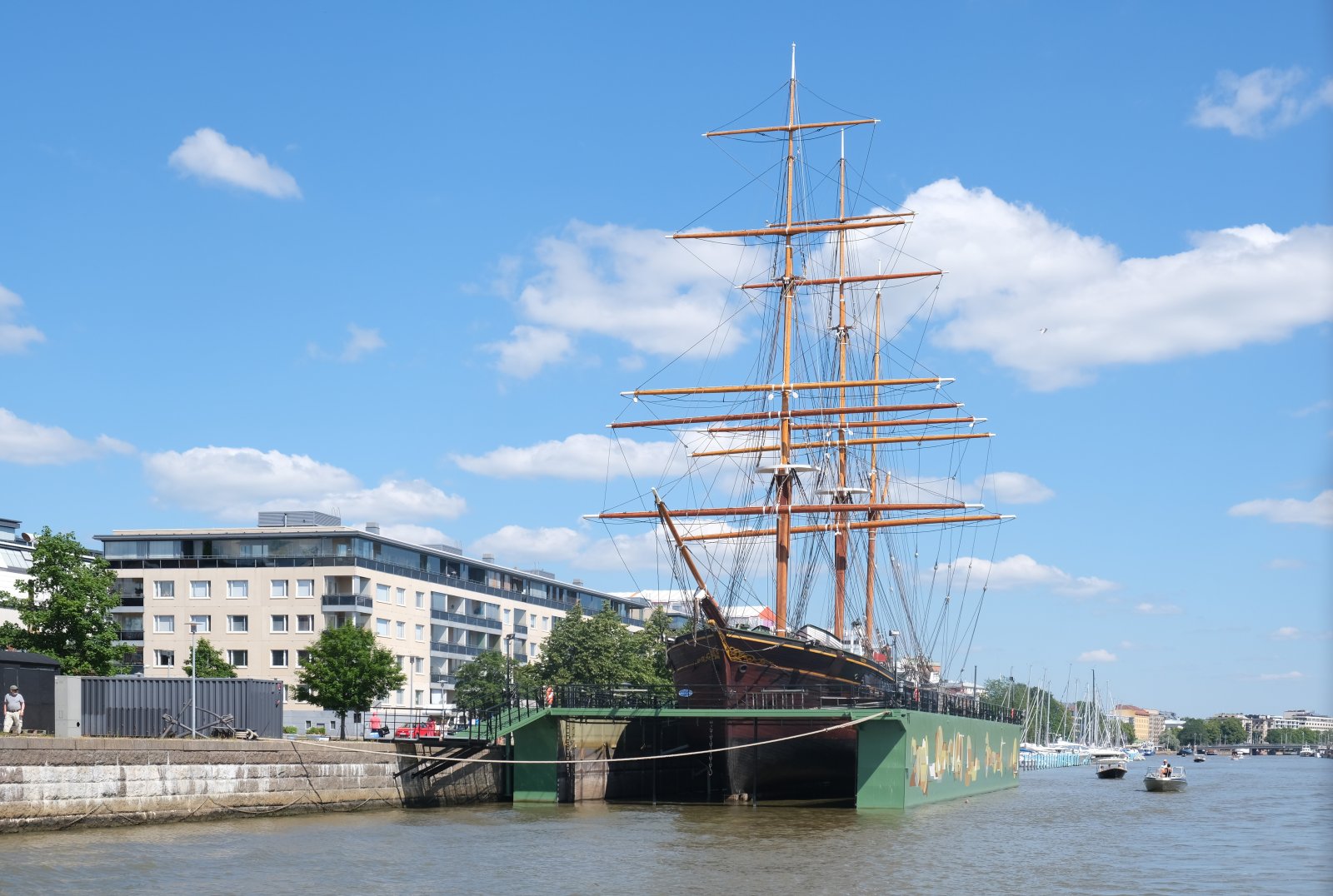
The Sigyn's journey began as a cargo vessel specifically designed for transporting timber from Scandinavia to the bustling ports of Europe. Named after a Norse goddess, the ship embodies both strength and grace, characteristics that have allowed her to weather the tides of history. After a long and storied career, the Sigyn was retired from active service and, in 1939, became a museum ship—a decision that saved her from the fate of many of her contemporaries. Her preservation offers a unique glimpse into a bygone era, making her an invaluable maritime monument.
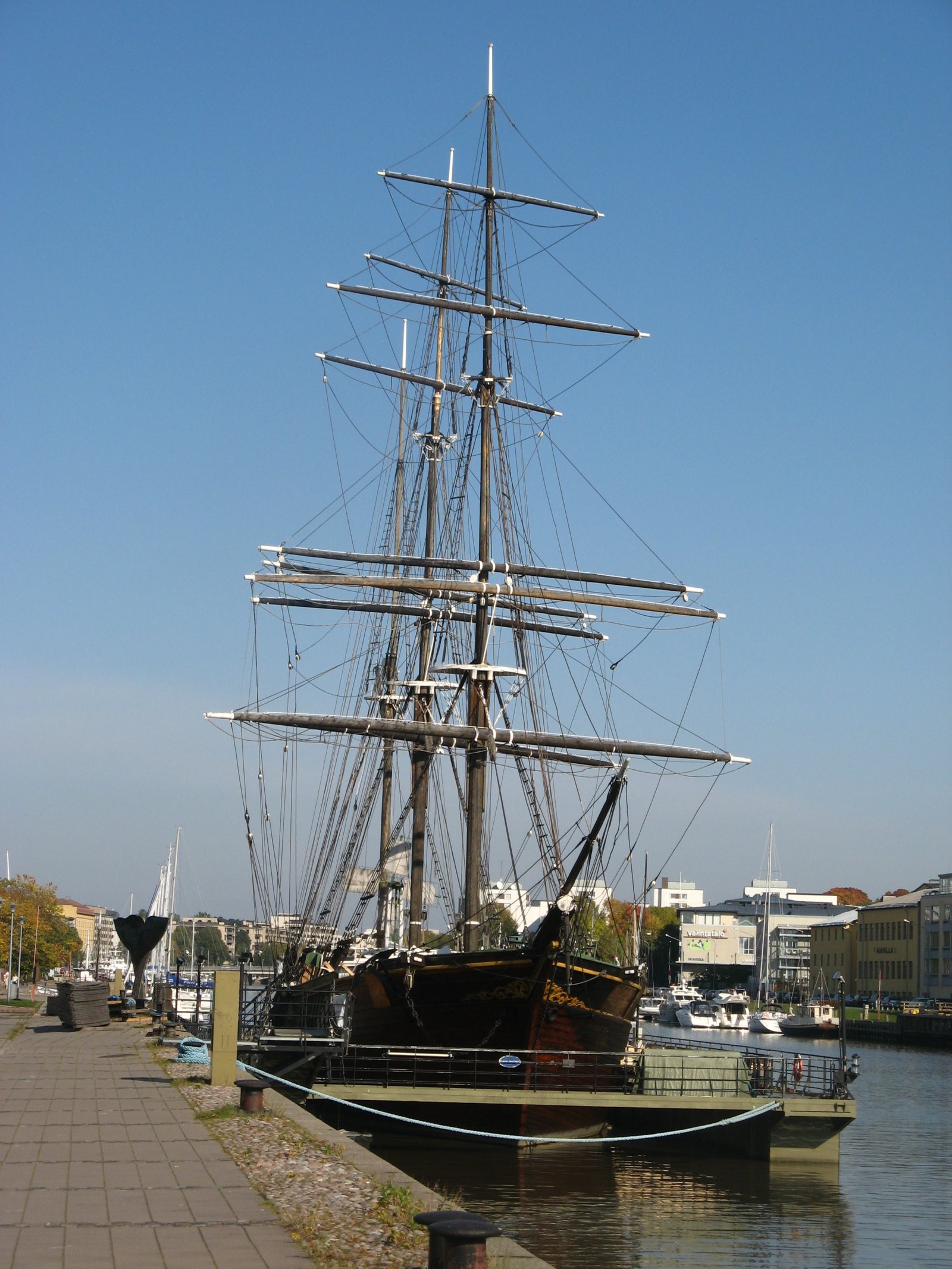
Architecturally, the Sigyn is a masterpiece of marine engineering. Her design reflects the elegance and functional beauty of 19th-century shipbuilding, with a hull crafted from robust oak and pine. The rigging, a labyrinth of ropes and sails, is meticulously maintained, allowing visitors to appreciate the skill and labor that went into operating such a vessel. Walking her decks, one can admire the detailed woodwork and the craftsmanship that has preserved her for over a century. This tangible connection to the past is further enriched by exhibits detailing the ship’s voyages, navigational tools, and the lives of the sailors who called Sigyn home.
Turku itself, Finland’s oldest city, provides a rich cultural backdrop for the Sigyn. As the former capital, Turku has long been a hub of Finnish culture and tradition. The city's vibrant festivals, such as the Turku Medieval Market held each July, echo the maritime spirit that the Sigyn embodies. These events offer visitors a chance to immerse themselves in local customs and the warm hospitality of the Finnish people.
No exploration of this region would be complete without indulging in its gastronomy. Finnish cuisine, with its emphasis on fresh, local ingredients, is a delight to the senses. In Turku, you can savor traditional dishes such as "lohikeitto" (salmon soup) and "karjalanpiirakka" (Karelian pasties), often accompanied by a shot of local vodka or a pint of Finnish craft beer. The proximity to the sea also means that seafood is a staple, with herring and Baltic salmon frequently gracing menus.
Beyond the obvious attractions, the Museum Ship Sigyn holds many lesser-known curiosities. For instance, did you know that the ship's bell, which has rung across the Baltic for more than a century, is still used to mark time? Or that the Sigyn once narrowly escaped destruction during World War II, thanks to the quick thinking of local preservationists? These stories add layers of intrigue to the already compelling narrative of the Sigyn.
When planning a visit, timing is key. The Sigyn is open to the public during the summer months, when the Finnish weather is at its most inviting. This is the perfect time to explore not only the ship but also the surrounding Forum Marinum Maritime Centre, where the Sigyn is docked. The museum offers a comprehensive look at Finland's naval history, making it an ideal complement to the Sigyn experience.
For those keen on a deeper dive, guided tours are available, providing insights that are not readily apparent to the casual observer. Visitors are encouraged to take their time, explore the nooks and crannies of the ship, and engage with the knowledgeable staff who are always eager to share their passion for maritime history.
In conclusion, the Museum Ship Sigyn is more than just a vessel; it is a living museum, a cultural emblem, and an enduring symbol of human ingenuity and resilience. Whether you're a history enthusiast, a maritime aficionado, or simply a curious traveler, a visit to the Sigyn offers a unique and enriching experience that will linger long after you leave the shores of Turku.


