
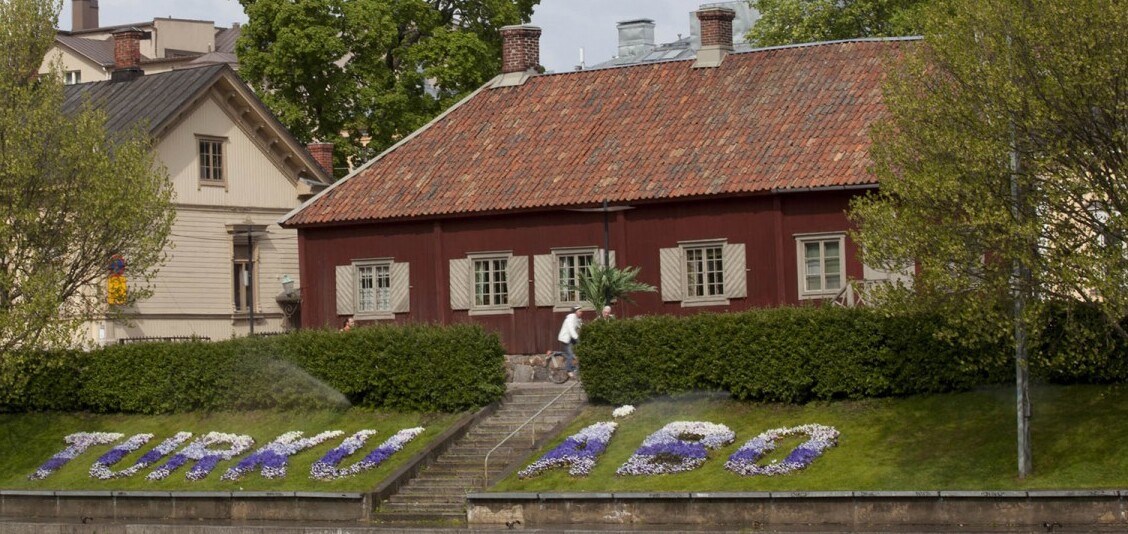

In the heart of Åbo, Finland, lies a treasure trove of history and culture—the Pharmacy Museum. This captivating establishment invites visitors to explore the evolution of medicine through the lens of one of the oldest wooden houses in the city, the Qwensel House. A journey through its doors is not just a step into a museum; it’s a glimpse into the life of the gentry during the 18th century.
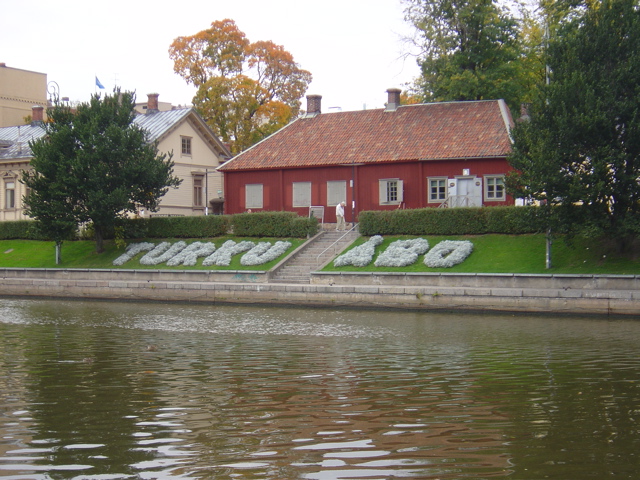
The Qwensel House, built circa 1700, is a remarkable relic of its time. It is situated in an area designated for the nobility as per the city plan laid out by Peter Brahe in 1652. As the oldest surviving wooden house in Turku, it showcases the architectural style of the era, characterized by its simple yet elegant design, featuring a symmetrical façade and beautiful wooden details. The house was constructed by the pharmacist Johan Qwensel, whose family played a pivotal role in the development of the city’s medical practices.
As you wander through the museum, you'll encounter a fascinating array of artifacts—everything from antique apothecary jars to intricate medical instruments that tell the story of healthcare practices over the centuries. One of the most striking elements is the extensive collection of herbal remedies that were once the cornerstone of medical treatments. The museum narrates how the art of pharmacy has evolved, shedding light on the transition from traditional remedies to modern medicine.
The cultural significance of the Pharmacy Museum extends beyond its historical artifacts. The Qwensel House reflects the bourgeois lifestyle of Turku’s elite in the 18th century. The rooms are meticulously restored, offering insights into the daily lives, customs, and traditions of its former inhabitants. Visitors can expect to see period furniture, original paintings, and decorative arts that highlight the opulence of the time.
While in Åbo, one cannot overlook the vibrant local culture. The city hosts several festivals throughout the year, such as the Åbo Medieval Market, which transports visitors back in time with medieval crafts, music, and food. The Turku Archipelago Sea Jazz Festival is another highlight, showcasing local and international talent against the stunning backdrop of the archipelago. These events reflect the city’s rich heritage and strong community spirit.
When it comes to gastronomy, Åbo offers a delightful array of local flavors. Traditional Finnish cuisine is rooted in simplicity and freshness, with a focus on seasonal ingredients. Be sure to try kalakukko, a fish pie made with rye crust, often filled with perch or vendace. Another local favorite is lohikeitto, a creamy salmon soup that warms the soul. To wash it down, sample a glass of salmiakki, a uniquely Finnish salty licorice liqueur that’s both loved and loathed.
Among the lesser-known curiosities of the Pharmacy Museum is the story of the Qwensel family itself. Despite its grandeur, the house served not only as a residence but also as a pharmacy for many years. After Johan Qwensel's death, his wife, Maria Qwensel, took over the business, defying the norms of her time. This aspect of female entrepreneurship in the 18th century is a surprising and empowering detail often overlooked by visitors.
For those planning a visit, the best time to explore the Pharmacy Museum is during the summer months, from June to August, when the museum often hosts special events and guided tours. Be sure to allocate enough time to savor the exhibits and take part in any interactive sessions available. It’s also wise to check the museum’s schedule, as some days feature themed tours that dive deeper into specific aspects of medical history.
As you navigate through the museum, don't forget to appreciate the surrounding area of Åbo, filled with charming cafes and shops. The museum is conveniently located near other historical sites like the Turku Castle and the Turku Cathedral, making it an ideal starting point for a day of exploration.
A visit to the Pharmacy Museum not only provides a window into the past but also enriches your understanding of Finnish culture and history. With its seamless blend of education, art, and local tradition, it’s a must-see for anyone traveling to Turku.
To enhance your experience in Åbo, consider using the Secret World app to craft a personalized itinerary that suits your interests.


