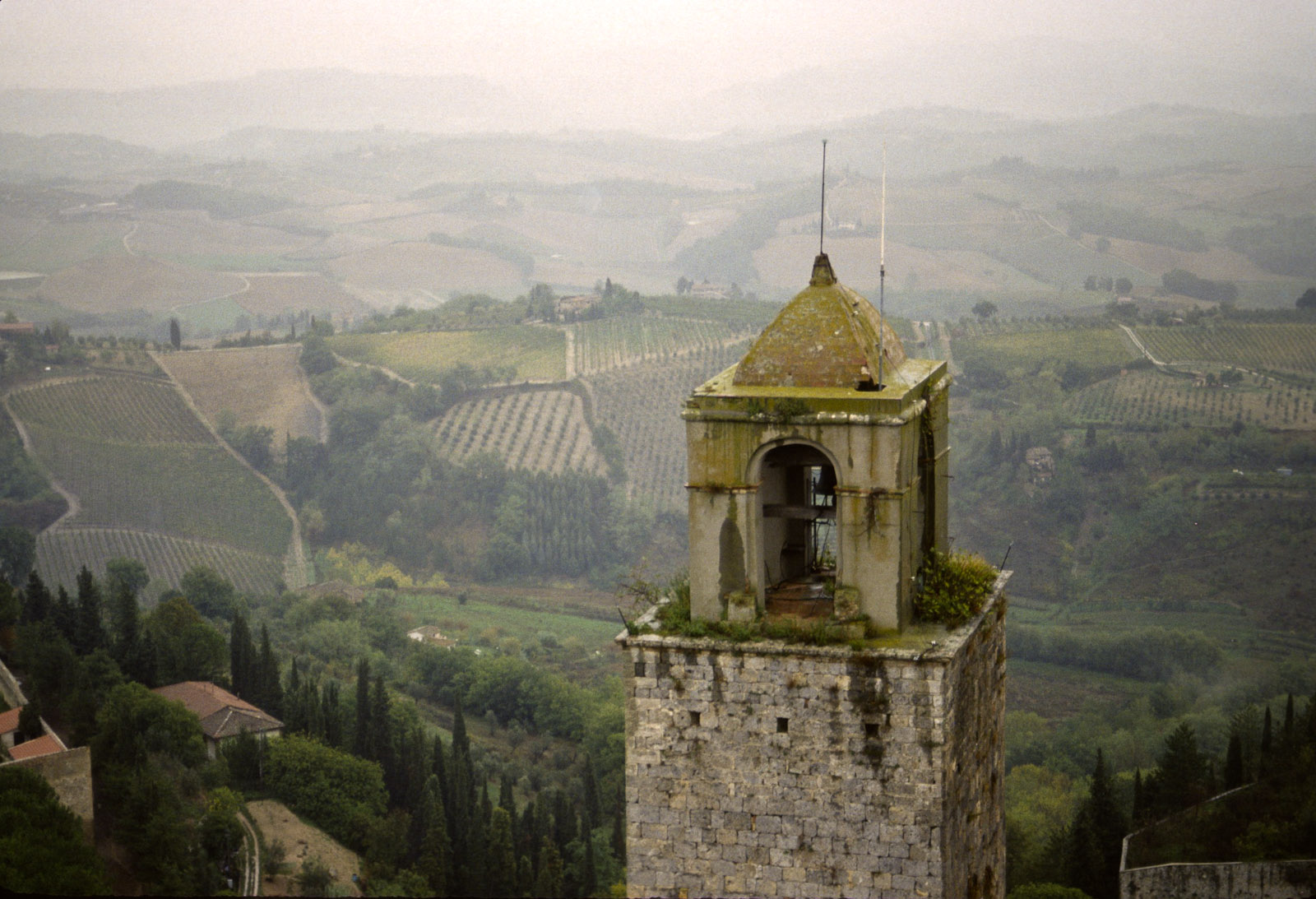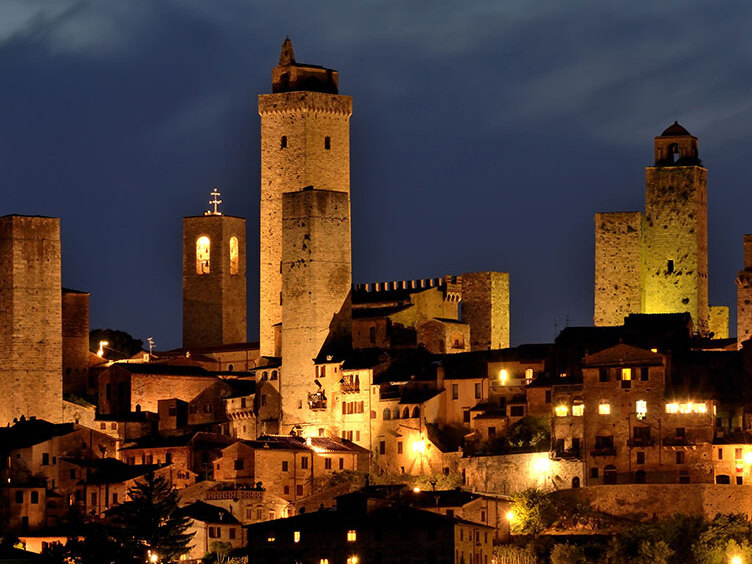

Perched on a hilltop in the Val d'Elsa, the enchanting village of San Gimignano is a captivating tapestry of history, art, and culture. Its skyline, punctuated by medieval towers, whispers stories of a bygone era, often earning it the nickname “the Manhattan of the Middle Ages.” A journey through its cobbled streets offers not just a glimpse into the past, but an immersive experience of Tuscany’s rich heritage.
### History and Origins
San Gimignano’s roots stretch back to ancient times, with evidence of Etruscan settlements as early as the 3rd century BCE. Strategically located along the ancient Via Francigena, a crucial pilgrimage route, the town flourished during the 12th and 13th centuries as a prominent center of trade and commerce. The wealth generated from this trade led to the construction of its iconic towers, symbols of power and prestige among the noble families.
The most pivotal moment in the town's history came during the Communal Age, when it became a free commune in 1255. The Guelphs and Ghibellines—two factions vying for power—shaped the political landscape, resulting in a series of conflicts that ultimately led to the town's architectural and cultural boom. While much of Italy faced turmoil, San Gimignano remained relatively intact, preserving its medieval character and earning recognition as a UNESCO World Heritage site in 1990.
### Art and Architecture
The architectural style of San Gimignano is a stunning representation of Gothic and Romanesque influences. Among the 14 medieval towers that still stand today, the Torre del Podestà, also known as the Torre Grossa, rises majestically at 54 meters, offering panoramic views of the surrounding countryside. The Torre Rognosa, the oldest tower, dates back to the 12th century and stands at 51 meters.
Inside the town's churches, such as the Collegiate Church of Santa Maria Assunta, visitors can marvel at exquisite frescoes by renowned artists like Botticelli and Ghirlandaio. These artworks not only highlight the town's artistic significance but also reflect the spiritual devotion of its inhabitants during the Renaissance.
### Local Culture and Traditions
San Gimignano is steeped in local customs and traditions that have endured through centuries. One of the most notable celebrations is the Medieval Festival, held annually in the second weekend of August. This vibrant event transports visitors back in time with medieval costumes, parades, and reenactments, showcasing the town's rich history.
Additionally, the town is known for its saffron cultivation, a tradition that dates back to the Middle Ages. The annual Saffron Festival in October celebrates this golden spice, with demonstrations and tastings that highlight its culinary importance in local cuisine.
### Gastronomy
The gastronomic delights of San Gimignano are deeply intertwined with its agricultural heritage. The Vernaccia di San Gimignano, a white wine produced in the region, is celebrated for its crisp flavors and floral notes. In fact, it was the first Italian wine to receive the Denomination of Controlled Origin (DOC) status in 1966. Wine lovers can visit local vineyards for tastings and tours, immersing themselves in the wine-making process.
Food enthusiasts should not miss sampling local dishes such as pici—hand-rolled pasta often served with a rich garlic and tomato sauce—and crostini, toasted bread topped with savory spreads. The town’s markets also offer delightful local products like saffron-infused olive oil and artisanal cheeses.
### Lesser-Known Curiosities
Beyond the well-trodden paths, San Gimignano holds intriguing stories and hidden gems. For instance, many visitors are unaware of the Chiesa di Sant'Agostino, a lesser-known church that houses a stunning altarpiece by Benozzo Gozzoli. Additionally, the town's narrow streets hide a series of medieval graffiti, carvings made by long-gone inhabitants that provide a unique glimpse into daily life centuries ago.
Another curiosity is the San Gimignano 1300, a museum that offers a detailed reconstruction of the town as it appeared in the 14th century. This immersive experience allows visitors to visualize the historical context of the towers and buildings they see today.
### Practical Visitor Information
The best time to visit San Gimignano is during the spring (April to June) and early autumn (September to October), when the weather is mild and the landscape bursts with colors. During these seasons, tourists can enjoy festivals, local markets, and fewer crowds.
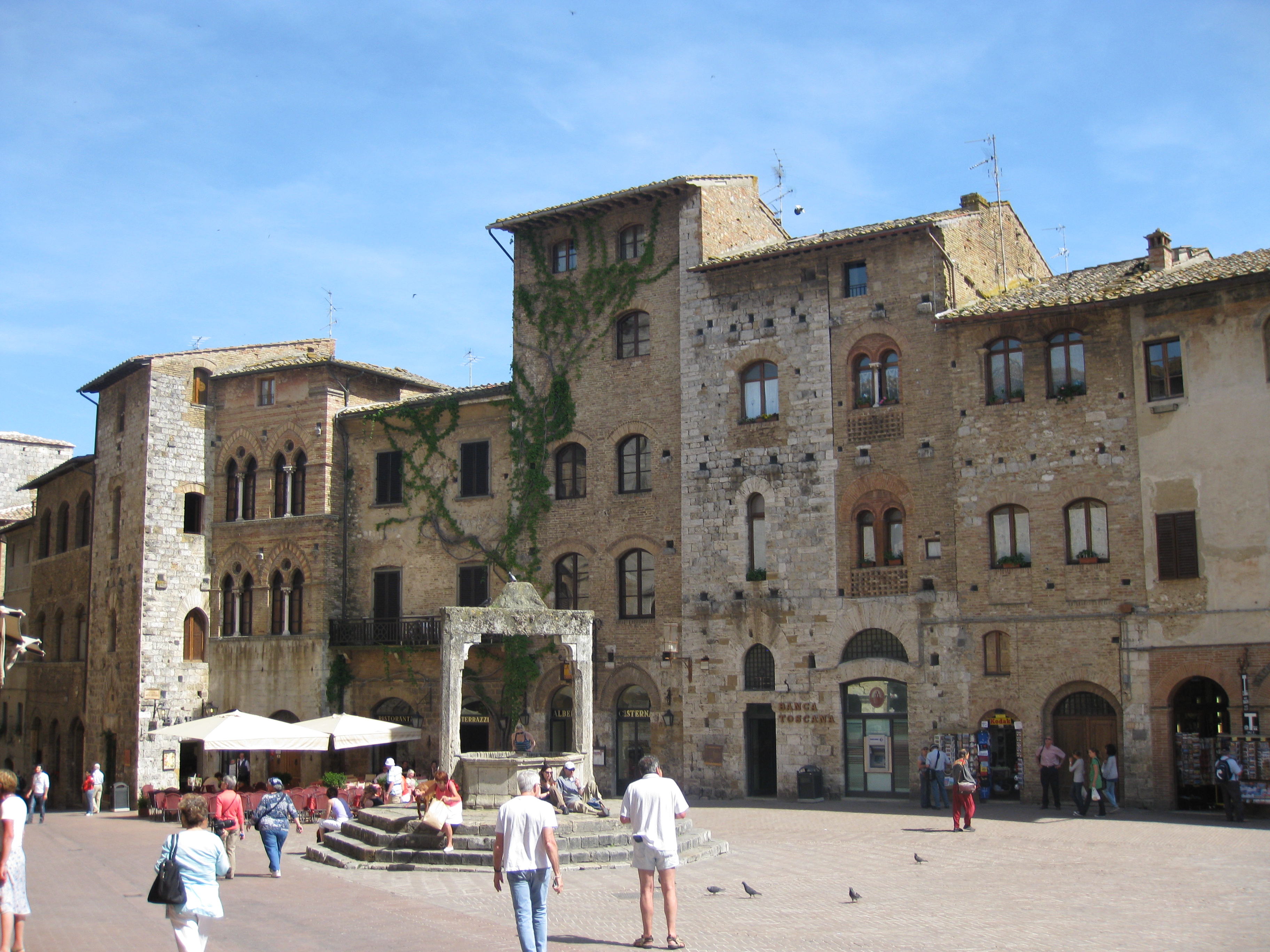
When exploring the town, wear comfortable shoes for walking along the cobblestone streets. Be sure to visit the Piazza della Cisterna, the heart of San Gimignano, where you can soak in the atmosphere while enjoying a gelato from one of the famous gelaterias.
### Conclusion
As you wander through the enchanting streets of San Gimignano, you'll find a place where history, art, and culture intertwine to create a unique experience. From its stunning towers to its delectable wines, this medieval gem offers something for every traveler.
To personalize your journey through this captivating town, consider using the Secret World app for tailored itinerary suggestions.