
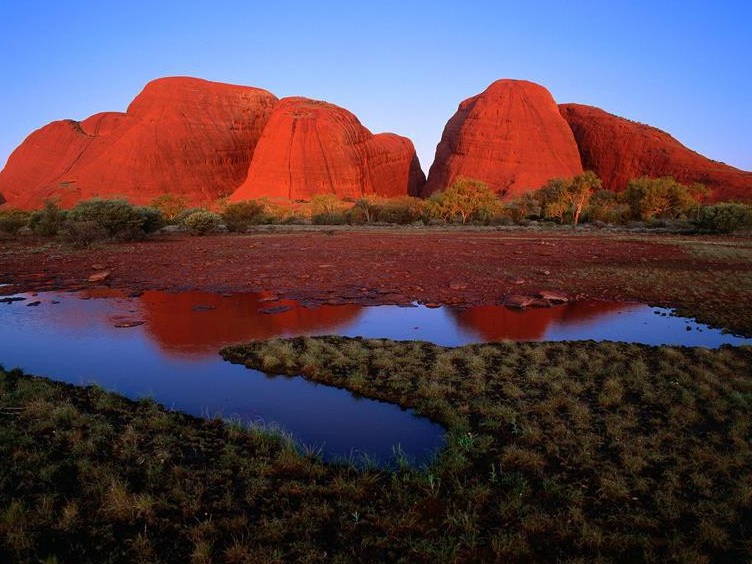

The first rays of dawn paint the ancient monolith of Uluru in hues of vibrant orange and deep red, casting a spellbinding allure over the heart of Australia's Northern Territory. As the sun rises, it reveals a landscape steeped in rich history, profound spirituality, and breathtaking natural beauty. Uluru-Kata Tjuta National Park, a UNESCO World Heritage site, is not just a feast for the eyes but a deep dive into the soul of Australia's indigenous heritage.
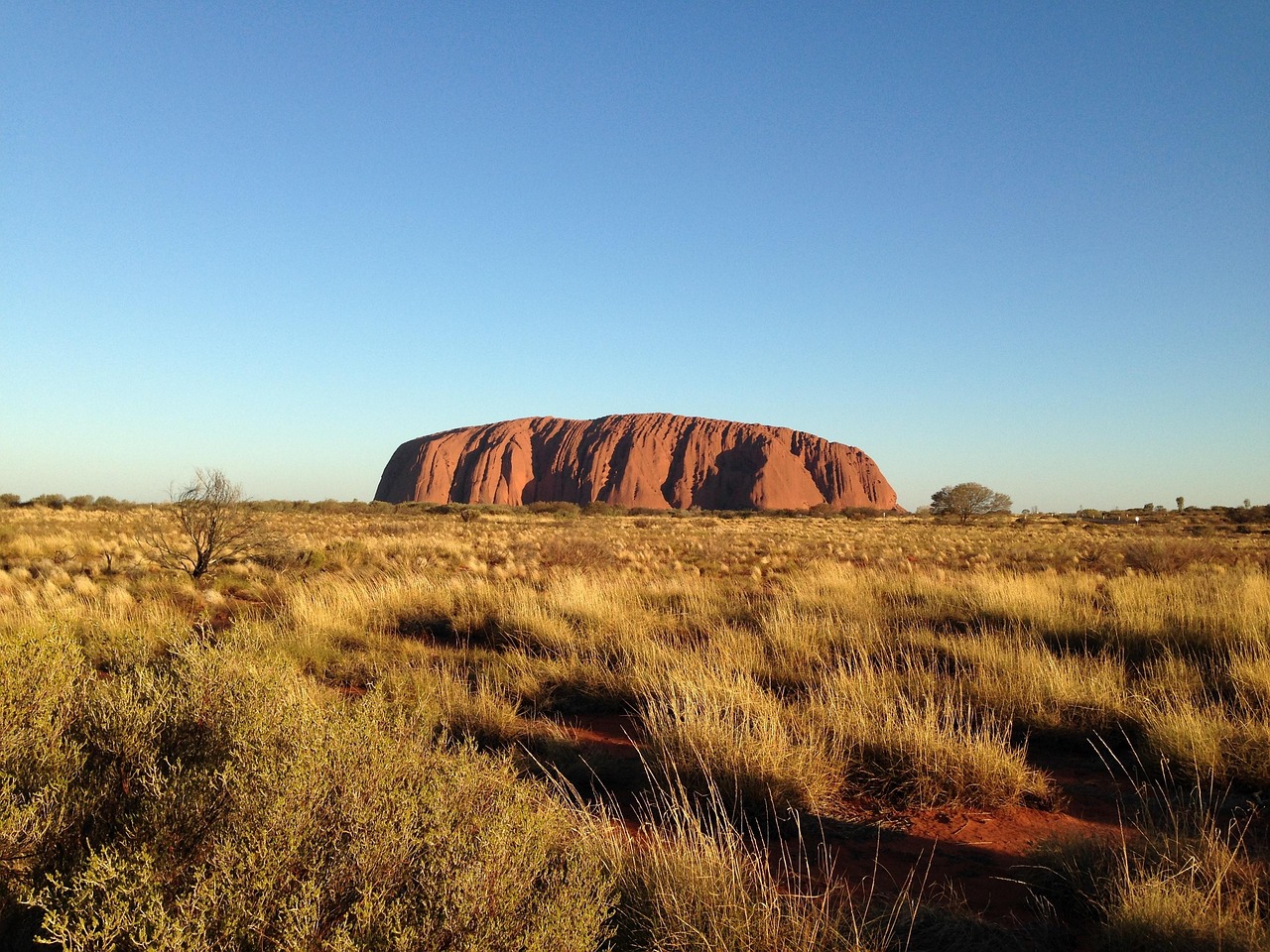
The history of Uluru dates back over 30,000 years, with the Anangu people, the traditional custodians of this land, holding it as a sacred site. The park was officially founded in 1958, but its significance as a cultural and spiritual landmark far predates modern recognition. Uluru itself, believed to have formed around 550 million years ago, has long been central to Aboriginal creation stories, known here as Tjukurpa. These stories are not just ancient myths but living narratives that guide the Anangu in their way of life, illustrating their deep connection to the land.
Art and architecture at Uluru-Kata Tjuta are predominantly natural and spiritual. The rock formations themselves are monumental works of art sculpted by nature's hand. The Kata Tjuta or "many heads," a series of 36 domed rock formations, complement Uluru with their own majestic presence. Rock art found in the park's caves offers a window into the ancient traditions of the Anangu, featuring symbols and figures that narrate the land's stories and its peoples' history. These artworks are not mere relics but are considered living art, integral to the ongoing cultural practices of the Anangu.
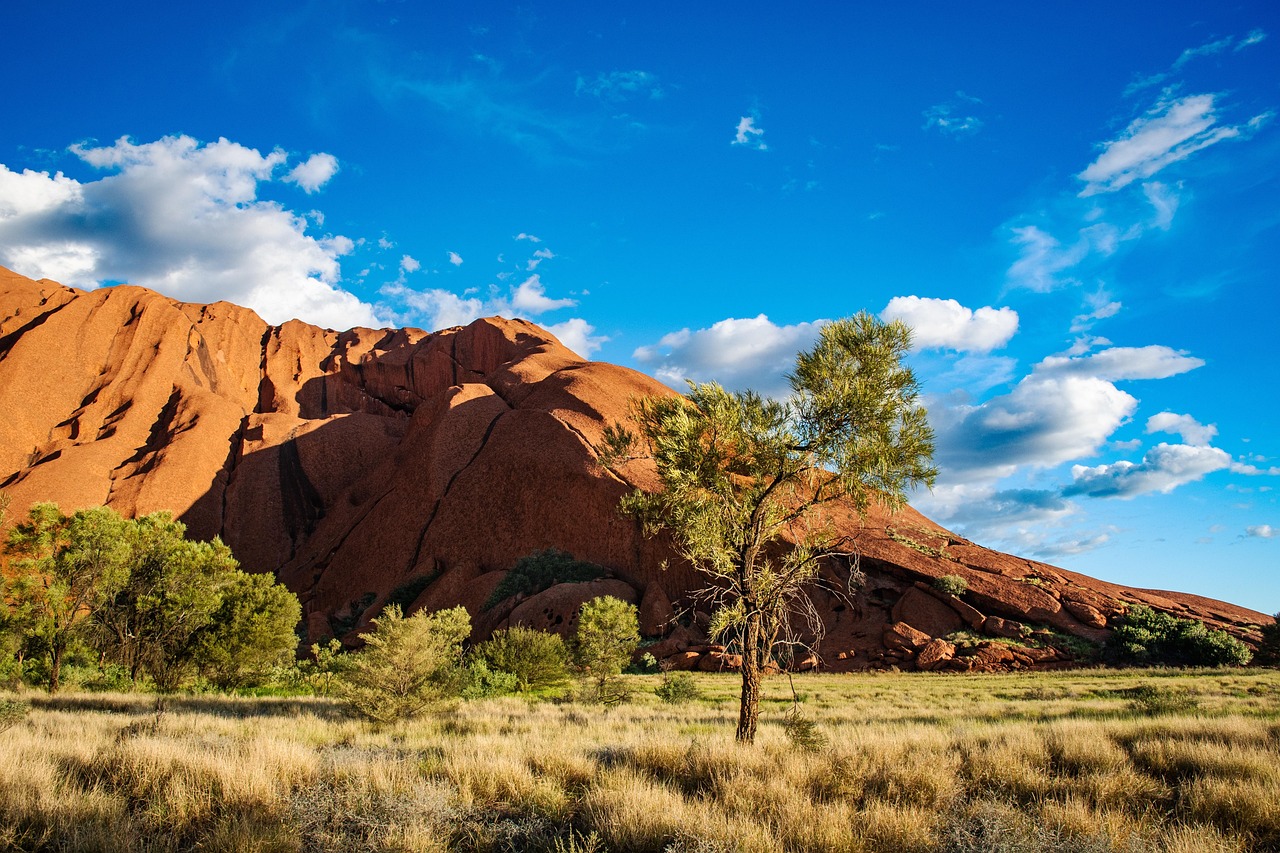
The local culture is a vibrant tapestry of customs and traditions. The Anangu people continue to practice their cultural ceremonies and maintain their traditional ecological knowledge. One of the most significant cultural events is the Inma, traditional song and dance ceremonies that bring the community together, celebrating their connection to the land and each other. Visitors are encouraged to engage with these traditions respectfully, often through guided tours led by Aboriginal guides who share their stories and insights into the land's spiritual significance.
While immersed in this cultural landscape, visitors should also explore the local gastronomy, which offers a unique taste of Bush Tucker. Traditional foods like kangaroo, emu, and bush tomatoes provide a culinary experience that reflects the land's rich resources. The native wattle seed, often used in damper, a type of bread, offers a nutty flavor that is both unique and delicious. For those looking to experience these flavors, local dining options around the park often incorporate these ingredients into their menus, providing a modern twist on traditional fare.
Uluru-Kata Tjuta National Park is also home to lesser-known curiosities that add to its allure. One such curiosity is the Mala Walk, which leads visitors past ancient rock art and the Kantju Gorge, a sacred waterhole. This walk reveals stories of the Mala people, ancestral beings of the Anangu, whose journey is etched into the very landscape. Another hidden gem is the Mutitjulu Waterhole at the base of Uluru, a serene spot where visitors can reflect on the deep spiritual connection between the Anangu and their land.
For those planning a visit, timing is everything. The park is most hospitable during the cooler months from May to September, when temperatures are milder, making exploration more comfortable. Early morning and late afternoon provide the best light for photography, capturing Uluru's changing colors in their full glory. It's advisable to wear sturdy footwear, carry plenty of water, and respect the cultural guidelines set by the Anangu, such as the request not to climb Uluru, respecting its sacred status.
In essence, Uluru-Kata Tjuta National Park is a place where nature's grandeur meets deep cultural heritage, offering visitors an unforgettable journey into the heart of Australia's spiritual landscape. Whether you're drawn by its geological wonders, its rich tapestry of art and culture, or its unique culinary offerings, this national park promises an experience that is as enlightening as it is awe-inspiring.


