
← Back

Under the Tuscan sun: Villa Bramasole

Località Torreone, 151, 52044 Cortona AR, Italia ★★★★☆ 193 views
Lauren Mertz
Cortona
🏆 AI Trip Planner 2026

Get the free app

Discover the best of Cortona with Secret World — the AI trip planner with 1M+ destinations. Get personalized itineraries, hidden gems and local tips. Free on iOS & Android.

🧠 AI Itineraries 🎒 Trip Toolkit 🎮 KnowWhere Game 🎧 Audio Guides 📹 Videos
Scan to download iOS / Android
Scan for AppGallery Huawei users

About Under the Tuscan sun: Villa Bramasole

Under the Tuscan sun: Villa Bramasole - Cortona | Secret World Trip Planner

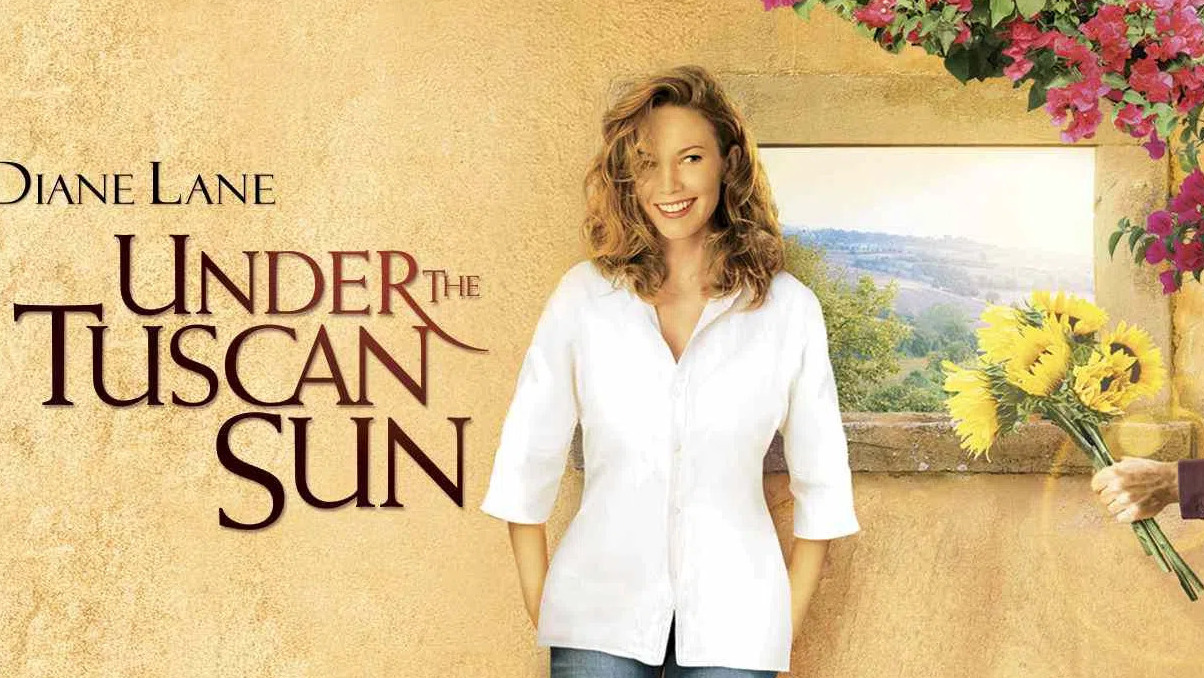
Nestled in the enchanting hills of Tuscany, Villa Bramasole is a stunning embodiment of the region's charm and allure. The villa gained notoriety through Frances Mayes’ bestselling memoir, Under the Tuscan Sun, which chronicles her journey of buying, restoring, and savoring life in this idyllic locale. As visitors flock to this Tuscan gem, they are drawn not just by the picturesque landscape, but by the rich tapestry of history, culture, and gastronomy that surrounds it.

### History and Origins

The origins of Cortona date back to the Etruscan civilization, which flourished over 2,500 years ago. The town's strategic location on the Via Cassia made it a vital hub for trade and interaction in ancient times. Over the centuries, Cortona has been marked by significant historical events, notably its role during the Middle Ages as a fortified stronghold. The Medici family, prominent patrons of the arts and architecture, also left their indelible mark on the region during the Renaissance, enhancing the town's cultural landscape.

Villa Bramasole, constructed in the 18th century, is a testament to this rich heritage. Its name, which translates to "grows in the sun," aptly captures the spirit of the villa and its surroundings. The property has undergone various renovations over the years, but it has always retained its authentic Tuscan character, reflecting the beauty and history of the region.

### Art and Architecture

The architecture of Villa Bramasole is a delightful fusion of traditional Tuscan styles, featuring warm ochre walls, terracotta roofs, and elegant arches. The villa is surrounded by lush gardens adorned with olive trees, lavender, and vibrant flowers, creating a picturesque setting that seems almost otherworldly.

Inside, the villa boasts an array of artistic treasures, from traditional frescoes to handcrafted pottery. The interiors echo the rustic charm of the countryside, with wooden beams, stone fireplace hearths, and inviting living spaces that invite visitors to linger. One particularly notable feature is the loggia, a covered terrace that offers breathtaking views of the rolling hills and valleys, serving as a perfect spot for leisurely meals or quiet contemplation.

### Local Culture and Traditions

The culture of Cortona is steeped in age-old traditions and customs that celebrate the region's agricultural roots. One of the most significant events is the Sagra della Bistecca, held in August, where locals and visitors alike indulge in the famed Florentine steak, accompanied by robust Chianti wine. This festival showcases the community’s deep connection to its culinary heritage and its commitment to quality local produce.

Another highlight is the Cortona Antiquaria, an antiques fair held twice a year, where visitors can explore stalls filled with unique artifacts, vintage treasures, and artisanal crafts. This event not only attracts collectors but also serves as a vibrant celebration of the town's artistic legacy.

### Gastronomy

The culinary scene in Cortona is a mouthwatering reflection of Tuscan cuisine, characterized by simplicity and the use of high-quality ingredients. Visitors should not miss the chance to savor pici, homemade pasta that is typically served with a rich tomato sauce or a hearty meat ragu. The region is also renowned for its olive oil, celebrated for its peppery flavor and vibrant green color, best enjoyed drizzled over fresh bread or vegetables.

Wine lovers will delight in the local Chianti and Vino Nobile di Montepulciano, both of which have earned accolades for their robust flavors and complex aromas. A visit to a local vineyard or wine tasting is an essential part of experiencing Tuscan culture.

### Lesser-Known Curiosities

While many tourists flock to Villa Bramasole, few are aware of the Etruscan ruins nearby, which offer a glimpse into the ancient civilization that once thrived in this region. The Necropolis of Cortona is a fascinating site, featuring tombs adorned with intricate carvings and artifacts. Additionally, the Cortona Diocesan Museum houses a collection of religious art, including works by the painter Fra Angelico, providing insight into the artistic evolution of the area.

Another hidden gem is the fortress of Girifalco, located on a hilltop overlooking Cortona. The fortress, built in the 16th century, offers panoramic views of the surrounding countryside and is a perfect spot for those seeking a quiet moment away from the bustling town.

### Practical Visitor Information

The best time to visit Villa Bramasole and Cortona is during the spring (April to June) or fall (September to October) when the weather is mild, and the landscapes are awash with color. It’s advisable to wear comfortable shoes for the scenic walk from the Il Parterre gardens in Cortona to the villa, as the cypress-lined path can be both enchanting and slightly uphill.

When planning your visit, consider taking a guided tour or participating in a local cooking class to immerse yourself in the region's rich culinary traditions. Additionally, make sure to explore the narrow, winding streets of Cortona, where charming shops and local artisans await discovery.

As you plan your unforgettable journey through Cortona and Villa Bramasole, consider using the Secret World app for a personalized AI itinerary that enhances your experience in this breathtaking region.

🗺 AI Trip Planner

Plan your visit to Cortona

Suggested itinerary near Under the Tuscan sun: Villa Bramasole

MAJ+
500.000+ travelers worldwide
  1. 🌅
    Morning
    Under the Tuscan sun: Villa Bramasole
    📍 Cortona
  2. ☀️
    Afternoon
    Fortress of Grifalco
    📍 0.4 km · Cortona
  3. 🌆
    Evening
    The Monumental Church of San Niccolò is a very small church located in the heart of the city.
    📍 0.6 km · Cortona

Buy Unique Travel Experiences

Powered by Viator

See more on Viator.com

Explore nearby · Cortona

Frequently Asked Questions

Villa Bramasole gained international fame through Frances Mayes' bestselling memoir 'Under the Tuscan Sun,' which chronicles her personal journey of purchasing, restoring, and living in this enchanting Tuscan villa. The book captures not only the physical restoration of the property but also Mayes' emotional and cultural transformation while embracing life in this idyllic Italian locale.
Villa Bramasole was constructed in the 18th century as a testament to Tuscany's rich heritage and architectural traditions. The villa's name translates to 'grows in the sun,' which aptly captures the spirit of the property and its sun-drenched surroundings in the Tuscan hills.
Villa Bramasole exemplifies traditional Tuscan architecture, featuring characteristic warm ochre walls, terracotta roofs, and elegant arches. The interior showcases rustic charm with wooden beams, stone fireplace hearths, artistic frescoes, and handcrafted pottery, all while maintaining its authentic Tuscan character despite various renovations over the centuries.
The villa is surrounded by lush gardens that create a picturesque, almost otherworldly setting, adorned with olive trees, lavender, and vibrant flowers. These gardens are an integral part of the property's appeal and reflect the natural beauty that characterizes the Tuscan landscape.
Villa Bramasole is located in Cortona, a town with origins dating back over 2,500 years to the Etruscan civilization, and which later served as a fortified stronghold during the Middle Ages. The region was further enriched by the Medici family during the Renaissance, whose patronage of the arts and architecture left an indelible mark on the cultural landscape that surrounds the villa today.
