
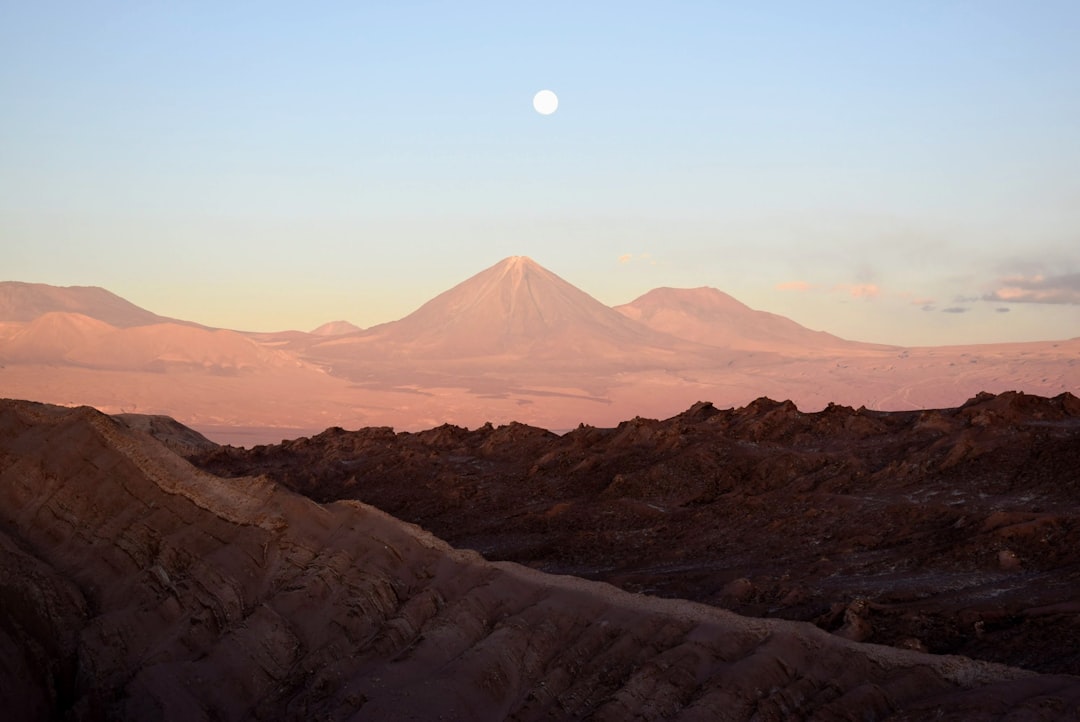

The silence here is not the absence of sound. It is a physical presence, something that presses on the ears and slows the breath. The Valley of the Moon, located in the Atacama Desert in northern Chile, a few kilometers from the town of San Pedro de Atacama, is one of those places where the landscape stops looking earthly. Ridges of white salt, fine sand dunes, clay sculpted by the wind for millennia: everything contributes to creating a panorama that resembles more the surface of another planet than a Chilean valley.
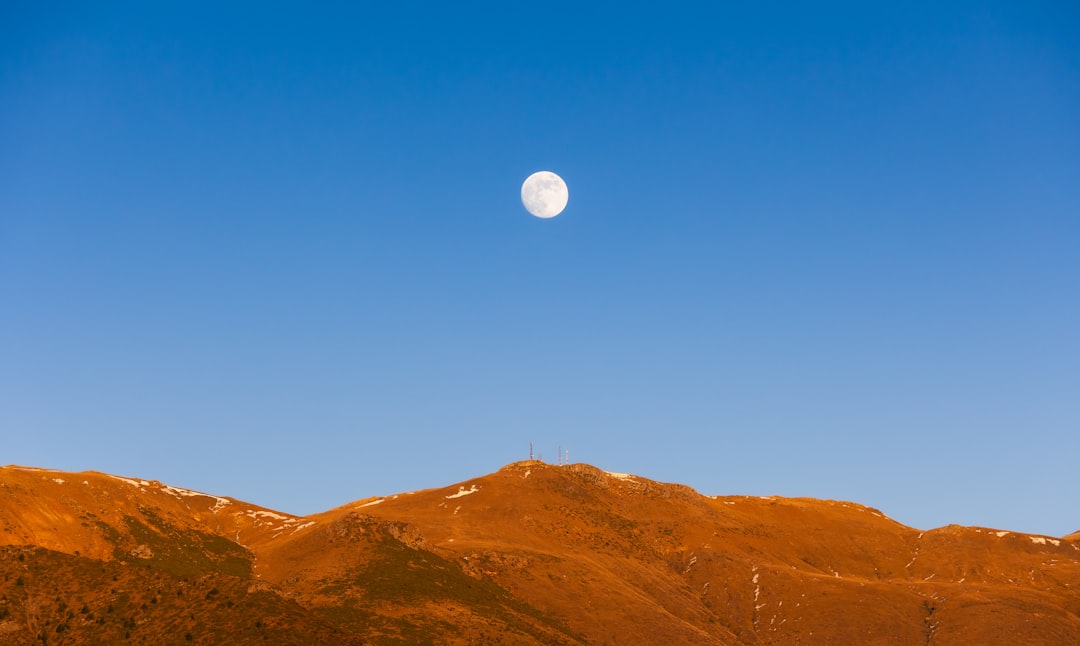
The name is not a poetic hyperbole. The geological formation of this valley, which is part of the Los Flamencos National Reserve, is the result of tectonic processes and constant erosion in an environment where annual precipitation is less than one millimeter. Salt emerges in irregular and sharp formations, while the clay structures take on shapes that resemble abandoned architectures. Visiting it means walking in a landscape that has taken millions of years to form.
The geology that can be seen with the naked eye
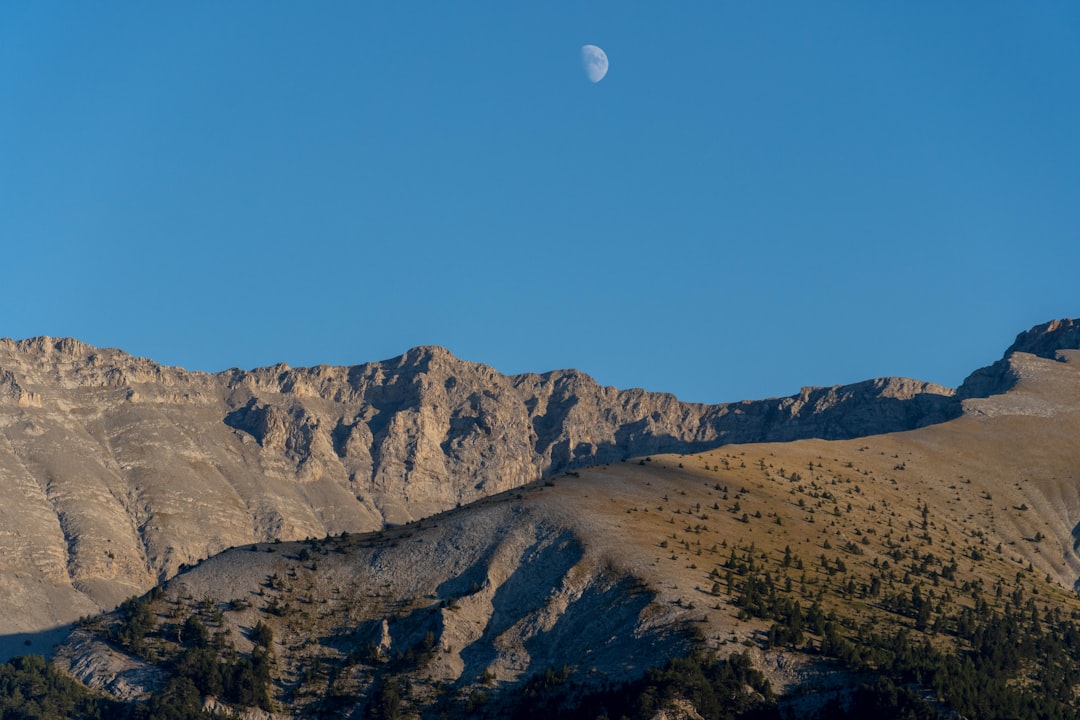
What makes the Valley of the Moon immediately recognizable are the salt and gypsum formations that emerge from the ground like irregular sculptures. These structures are the result of the evaporation of ancient salt lakes that occupied the area during previous geological eras. Walking along the marked paths, one can observe salt crystals sparkling in the sunlight and layers of colored sediments in the walls of the clay formations.
The sand dunes that occupy part of the valley reach considerable heights and offer one of the most photographed views of the Atacama. From the top of the main dunes, on clear days, it is possible to glimpse the volcanoes that surround the Andean plateau, some of which exceed 6,000 meters in altitude. The contrast between the ochre sand in the foreground and the snow-capped peaks in the background is one of the most intense visual spectacles in the region.
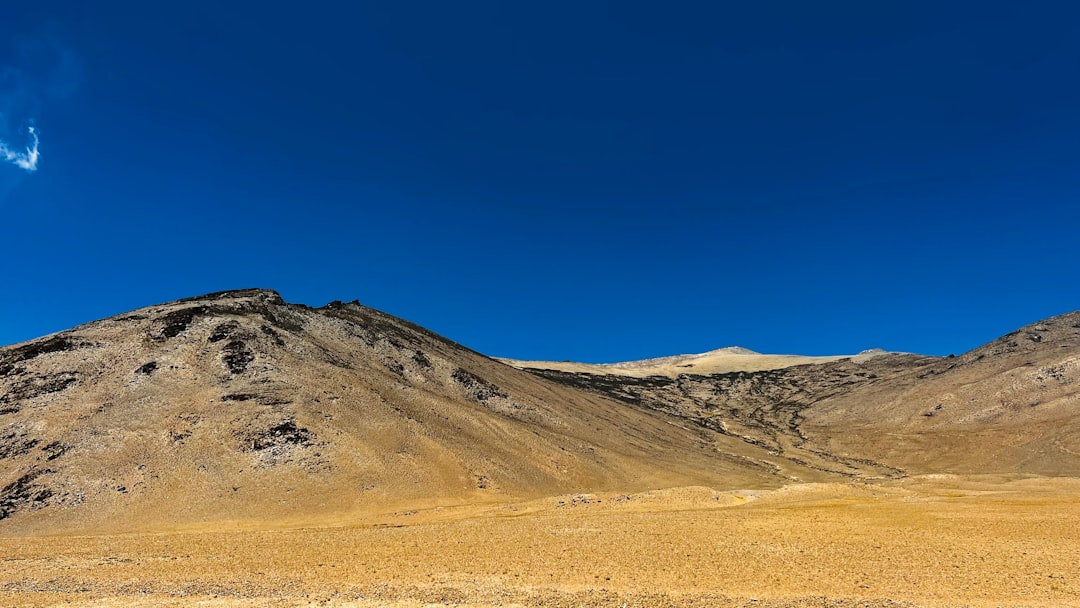
The sunset that changes everything
The visit at sunset is considered the fundamental experience of the Valley of the Moon, and not without reason. When the sun descends towards the horizon, the salt rocks and clay formations change color in sequence: first warm yellow, then orange, finally a shade of purple and violet that lasts only a few minutes but remains etched in memory. This chromatic effect is due to the mineralogical composition of the rocks, which reflect light differently depending on the angle.
Many tour operators in San Pedro de Atacama organize afternoon excursions that arrive at the valley about two hours before sunset, allowing visitors to explore the main trails and position themselves at the viewpoints before the crowd arrives. The most popular area to watch the sunset is the ridge nicknamed Las Tres Marías, three salt pinnacles that stand out against the sky and have become the visual symbol of the valley.
The Night in the Driest Desert in the World
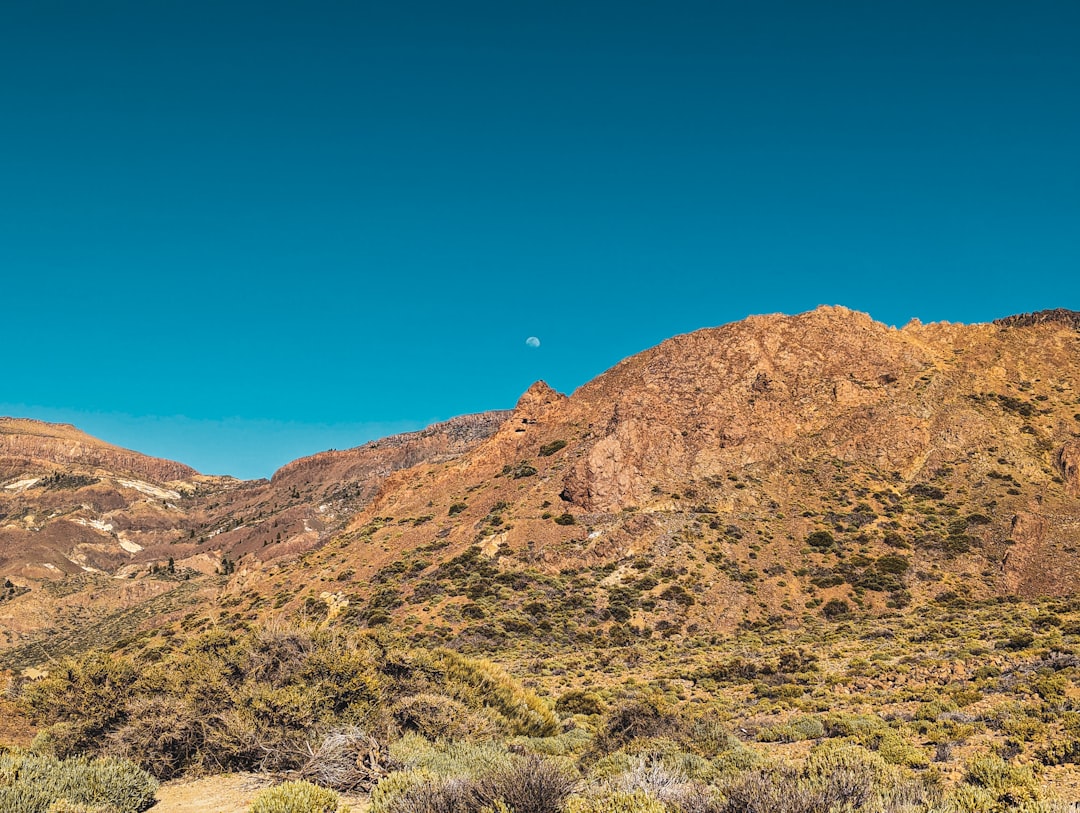
After sunset, those who remain in the San Pedro de Atacama area can experience another extraordinary phenomenon: the night sky of Atacama is considered one of the clearest in the world, which is why the region hosts some of the most important international astronomical observatories. The almost total absence of humidity and light pollution makes the Milky Way visible to the naked eye with a clarity that is hard to describe.
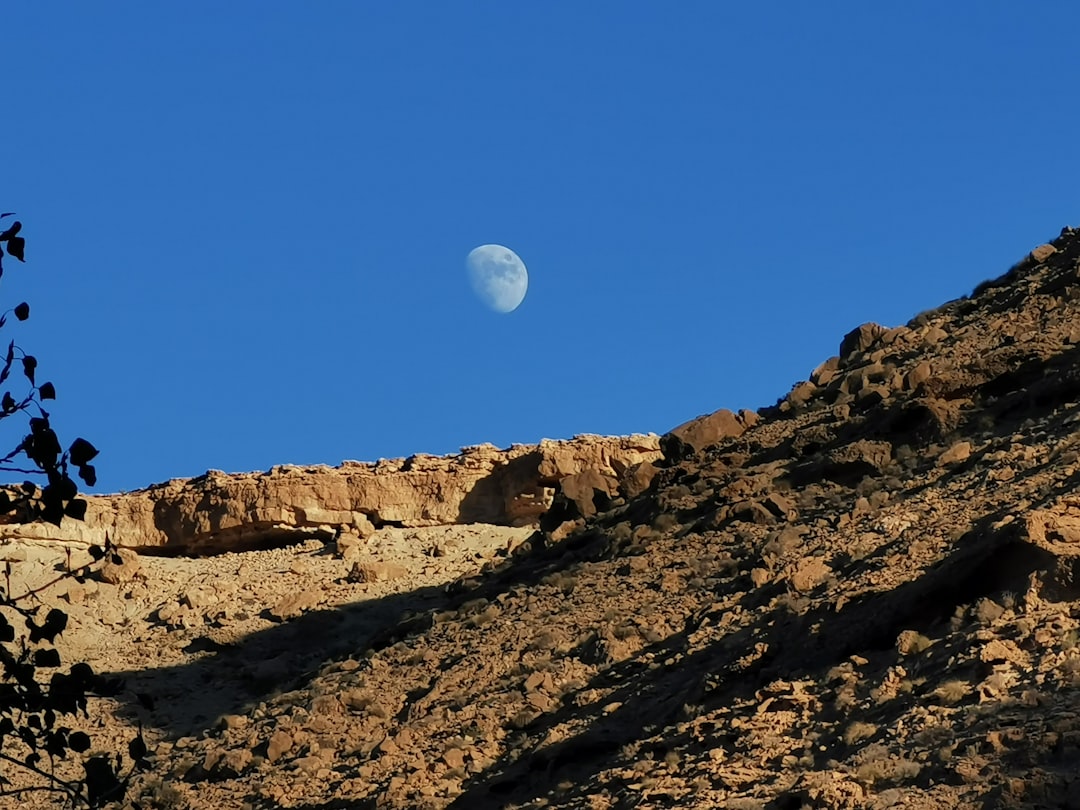
The Valle de la Luna itself, at night, becomes a completely different landscape. The salt formations reflect the moonlight and, on full moon nights, it is possible to walk without a flashlight. Some local operators offer authorized night tours, but it is essential to rely on certified guides to avoid getting lost in an environment where the paths are not illuminated and temperatures drop drastically even in summer.
Practical information for visiting the valley
The Valley of the Moon is located about 15 kilometers from San Pedro de Atacama, accessible by car, bicycle, or through the numerous organized tours that depart every afternoon from the town center. The entrance ticket to the Los Flamencos National Reserve, which includes the Valley of the Moon, has an indicative cost that ranges between 3,000 and 5,000 Chilean pesos for foreign visitors, but it is always advisable to check the updated rates directly with CONAF, the Chilean forestry agency that manages the area.
The visit typically takes two to three hours to walk the main trails. It is essential to bring plenty of water, high-factor sunscreen, and layered clothing: daytime temperatures can exceed 30 degrees, but they drop quickly at sunset. Sturdy-soled hiking shoes are necessary because the salt formations are sharp and the terrain is uneven. Avoiding touching or breaking the geological formations is a rule of respect as well as a legal obligation.


