
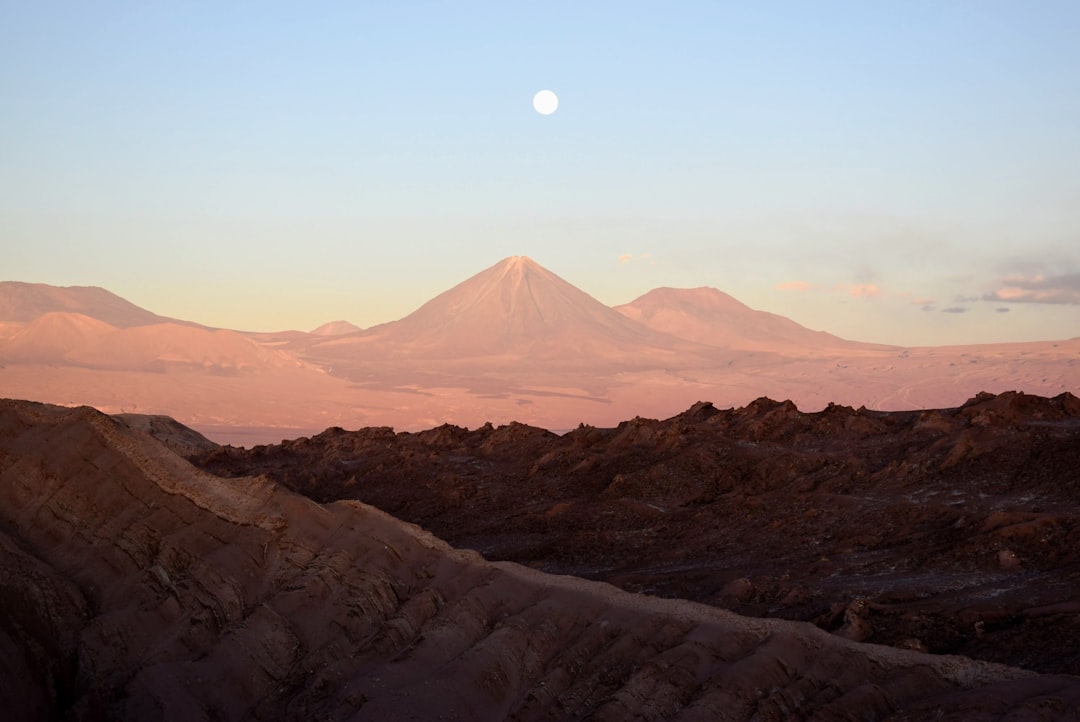

The silence here has a physical weight. It is not the absence of sound — it is a dense, almost solid presence that settles on your shoulders as soon as you leave the bicycle on the edge of the path and stop among the salt crests. The Valley of the Moon, in the heart of the Atacama Desert in northern Chile, is located a few kilometers from San Pedro de Atacama, the small settlement that serves as a base for those exploring this region. The name is not a metaphor: the landscape truly resembles the surface of a satellite, with clay formations and salt ridges sharp as blades emerging from the ground as if someone had crumpled the Earth's crust and then left it there to dry for millennia.
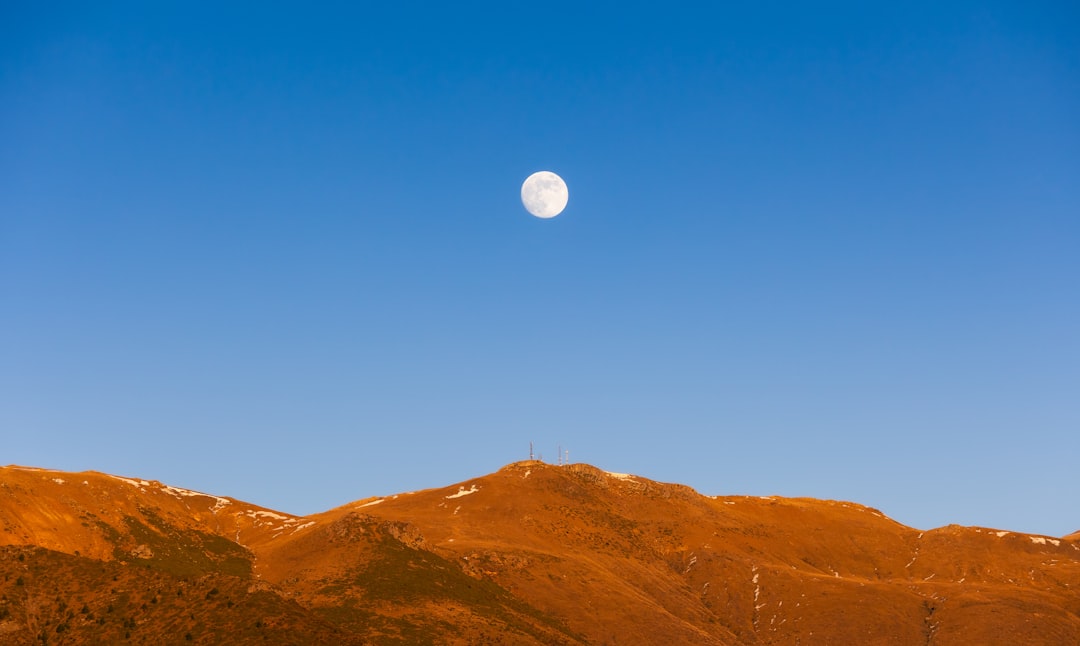
The Atacama Desert is considered one of the driest places on Earth, with some areas not recording significant precipitation for decades. This has allowed the geological formations of the Valley of the Moon to remain in a state of extraordinary integrity: the salt and clay structures seen today are the result of erosive processes lasting millions of years, shaped by the wind in almost total absence of water. Walking among these shapes means traversing layers of geological time that are not easily accessible to a tourist on foot or by bicycle.
Salt and clay formations: what to see up close
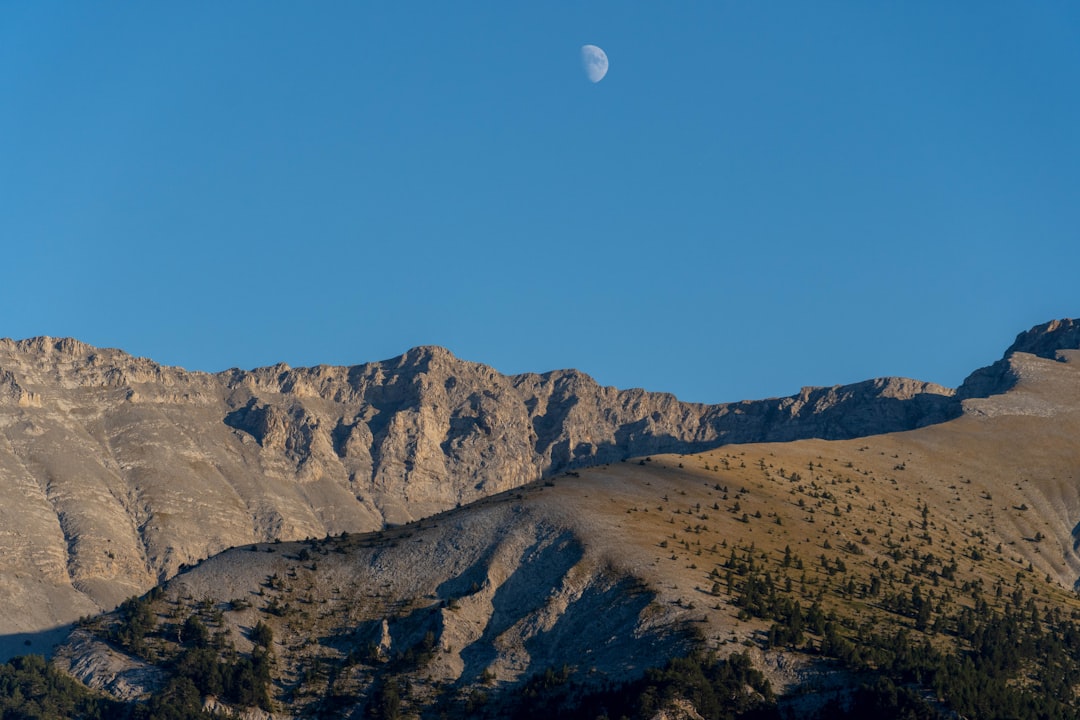
The most immediate characteristic that one notices upon entering the protected area is the texture of the rocky walls: they are not smooth, but grooved, carved by vertical furrows that the wind has opened over geological eras. The salt crests — some several meters high — shine in direct light with an almost metallic luster. Touching them, one can feel the graininess of the crystal under the fingers, and in some areas the ground crunches underfoot like frozen snow.
Inside the valley, there are also the so-called sandy dunes, accumulations of fine material transported by the wind that form soft slopes in stark contrast to the sharp surfaces of the salt formations. Climbing one of these dunes takes just a few minutes but offers a complete perspective of the valley: from up there, one can see the entire sequence of crests, depressions, and white plains extending towards the mountains in the background.
The sunset: colors and temperatures
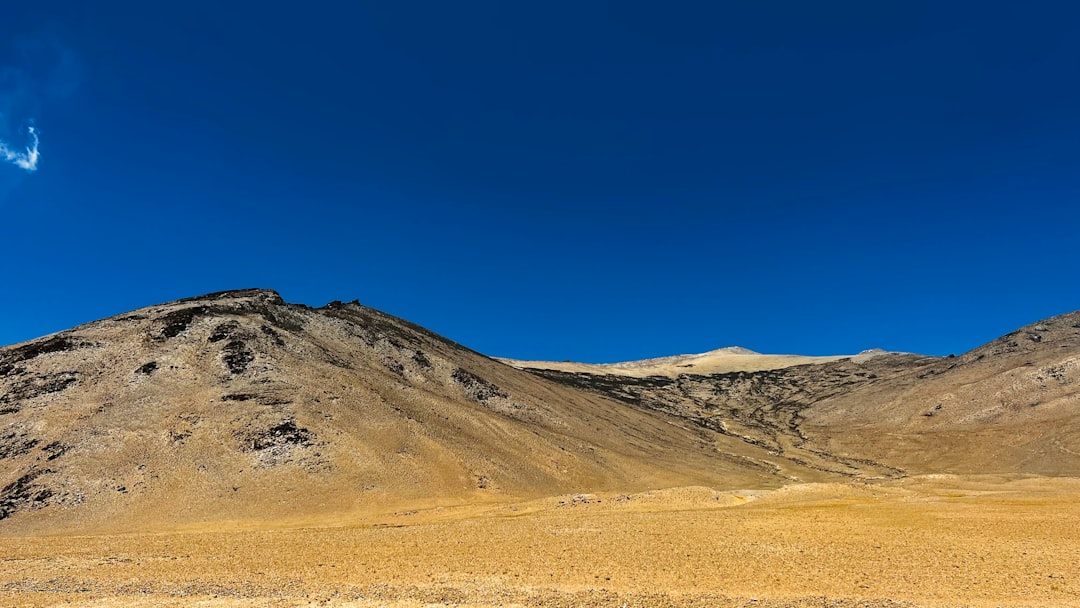
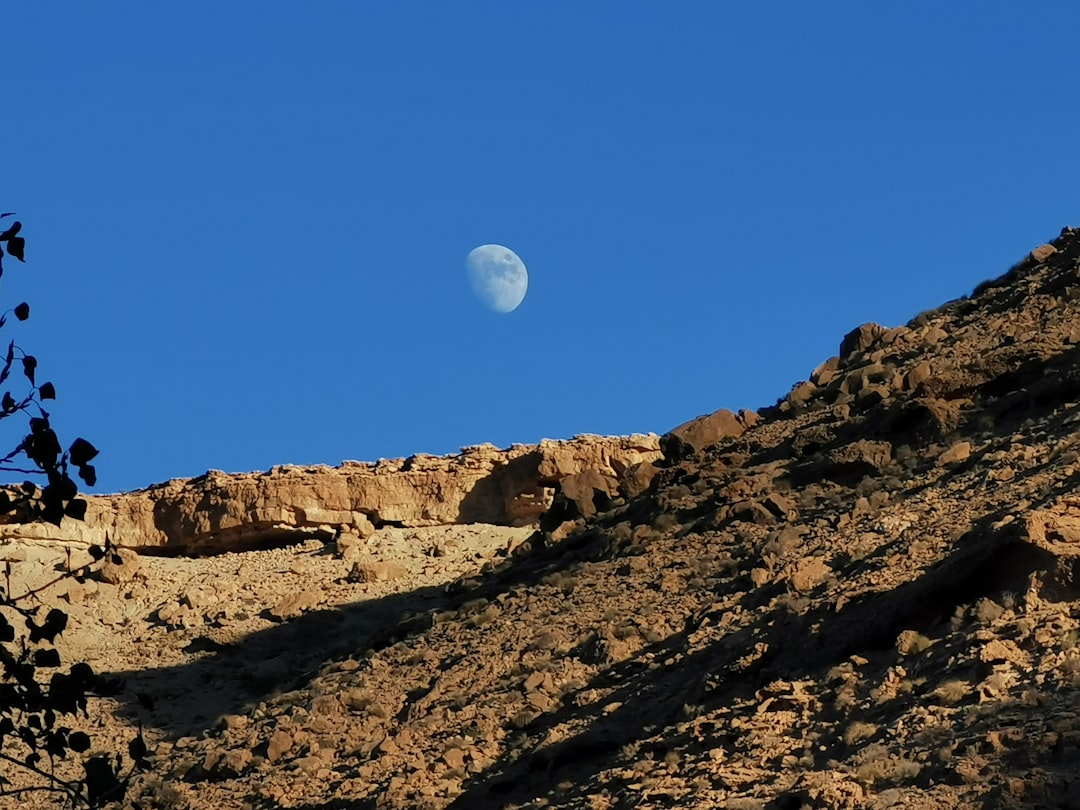
The most famous moment in the Valley of the Moon is the sunset. When the sun descends towards the Andean horizon, the clay and salt formations change color in sequence: first ochre yellow, then burnt orange, finally a purplish hue that lasts a few minutes before darkness falls. This chromatic effect is not exaggerated by photographs — it is real, and it depends on the mineral composition of the rocks that reacts differently to the wavelengths of grazing light.
It is important to know that after sunset, the temperature drops rapidly. The Atacama Desert has a very marked daily temperature range: it can reach 25-30°C in the central hours of the day and drop below 5°C at night. Bringing a warm layer is essential, even in the southern summer. Many visitors arrive at sunset with only a t-shirt and are surprised by the sudden cold.
How to get there and practical advice
The Valley of the Moon can be reached from San Pedro de Atacama in about 15-20 minutes by bicycle along a dirt road. Renting a bike in town is simple and relatively inexpensive — several agencies on the main avenue offer daily rentals. Alternatively, numerous local agencies organize guided tours in minivans, often combined with a sunset visit.
Entry to the area is paid and managed by the National Forestry Corporation (CONAF), the Chilean agency that administers protected natural areas. The ticket price may vary, but it generally hovers around 3,000-5,000 Chilean pesos for foreign visitors — check the updated rate directly at the entrance or on the CONAF website. The best time to visit is in the late afternoon, arriving about two hours before sunset to have time to walk among the formations while the light is still high, and stay until sunset. Avoid the central hours of the day when the heat is intense and the flat light flattens the contrasts of the landscape.
The Nights in the Atacama
Those who manage to stay in the area after sunset — or return at night — find another dimension of silence. The sky of the Atacama is among the clearest on the planet: the altitude, the dryness of the air, and the absence of light pollution create exceptional conditions for astronomical observation. It is no coincidence that the region is home to one of the highest densities of professional astronomical observatories in the world, including the ALMA Observatory, located on the Chajnantor plateau at about 5,000 meters above sea level.
At night, lying on the sand of the valley, the Milky Way is visible to the naked eye with a clarity that surprises even those who have already seen starry skies in other places. The salt formations weakly reflect the light of the stars, and the absolute silence — interrupted only by the gentle wind — makes the experience difficult to describe accurately. It is one of those places where one realizes how much noise normally accompanies daily life, and how rarely one truly stands still to listen to nothingness.


