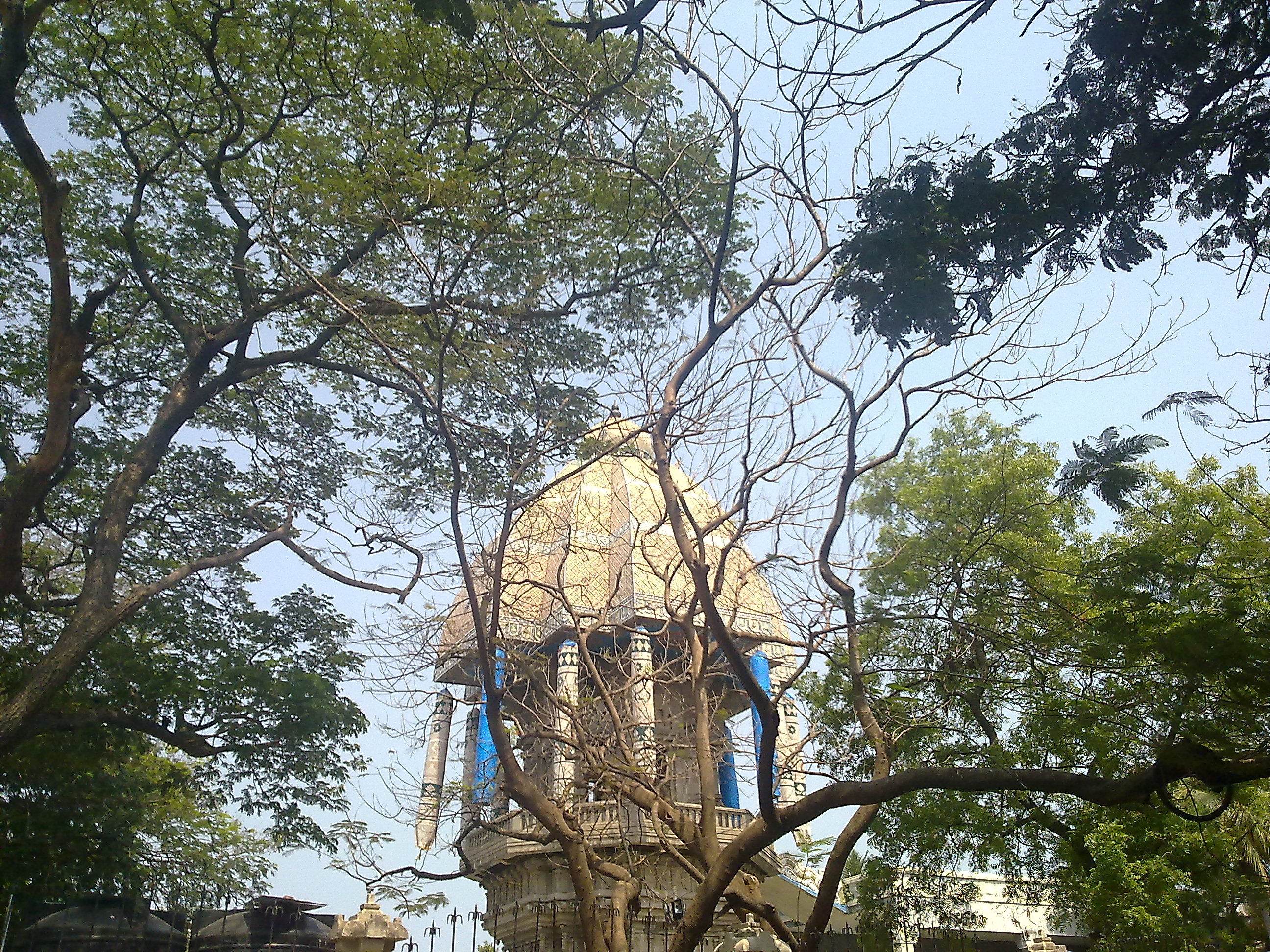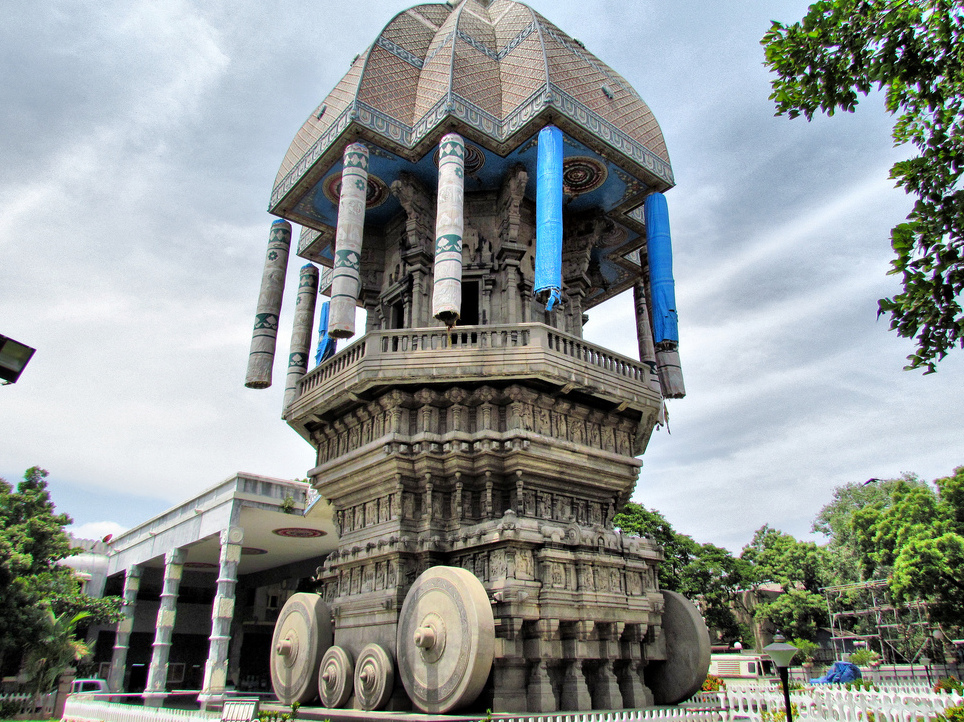

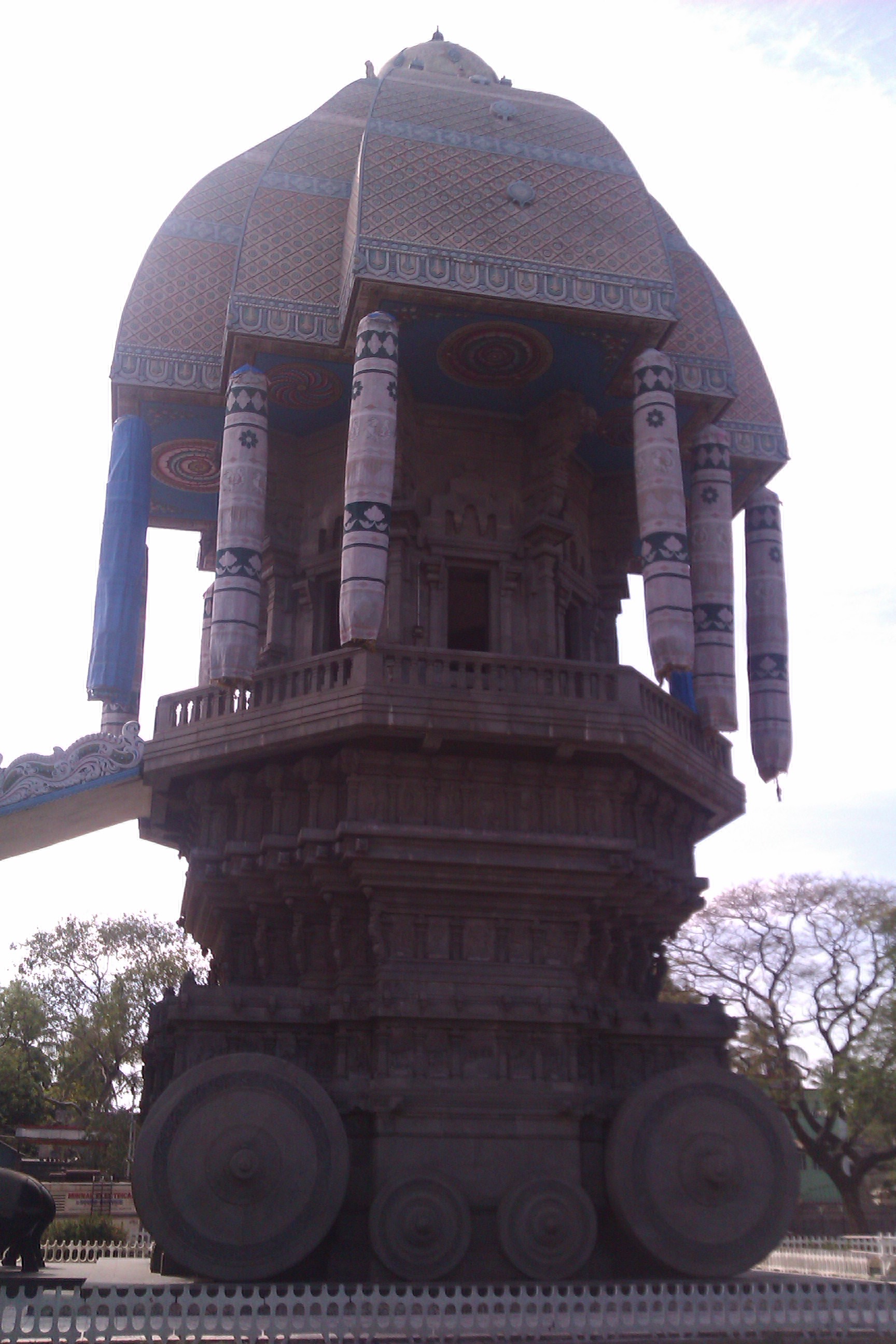
In the heart of Chennai, the Valluvar Kottam Monument stands as a magnificent tribute to the revered Tamil poet and philosopher Tiruvalluvar, whose timeless work, the Thirukkural, continues to resonate with wisdom and insight. Built in 1976, this striking structure symbolizes the cultural pride of Tamil Nadu, encapsulating not just poetry but the very essence of Tamil heritage.
### History and Origins The history of Valluvar Kottam is deeply intertwined with the legacy of Tiruvalluvar, who flourished over 2,000 years ago. His Thirukkural, a collection of 1,330 couplets, offers philosophical guidance on morality, politics, and love. The monument was conceived to honor this literary giant and serve as a reminder of the profound impact of his teachings on Tamil culture.
The project began in the 1970s under the leadership of M. Karunanidhi, then Chief Minister of Tamil Nadu, who envisioned a landmark that would celebrate Tamil literature. The construction involved 3,000 stone blocks, each intricately carved, and culminated in a grand design reminiscent of a temple chariot. The monument's establishment marked a significant moment in the cultural revival of the Tamil language and literature, asserting its place in India’s rich tapestry.
### Art and Architecture The architectural style of Valluvar Kottam is a stunning fusion of traditional Dravidian and modern influences. Rising to 39 meters in height, the structure is designed to resemble a temple chariot, a nod to the ancient practice of pulling chariots during festivals in South India. This design choice emphasizes the spiritual and cultural significance of Tiruvalluvar’s teachings.
Inside, visitors are greeted by a life-sized statue of Tiruvalluvar, elegantly carved from granite. The statue captures the poet in a meditative pose, symbolizing his profound wisdom. The front hall corridor features inscriptions of all 133 chapters of the Thirukkural, allowing visitors to engage with the text directly. Art aficionados will appreciate the intricate carvings that adorn the monument, depicting various themes from the Thirukkural, reflecting the essence of Tamil artistry.
### Local Culture and Traditions Valluvar Kottam is not just a monument; it’s a beacon of Tamil culture and tradition. It serves as a gathering place for cultural events, poetry recitals, and discussions that celebrate the richness of Tamil literature. The monument plays a pivotal role during the annual Pongal festival, where people pay homage to Tiruvalluvar, reflecting on his teachings of harmony and respect.
Local customs often involve reciting the Thirukkural during family gatherings and celebrations, emphasizing its relevance in contemporary life. The monument also serves as an educational hub, where aspiring poets and scholars come together to foster a love for Tamil literature.
### Gastronomy No visit to Chennai is complete without indulging in its gastronomic delights. The area surrounding Valluvar Kottam offers a plethora of local dishes that showcase the vibrant flavors of Tamil Nadu. Traditional meals often feature idli, dosa, and sambar, served with an array of chutneys. The nearby street food stalls are famous for serving murukku and jigarthanda, a popular local dessert.
Moreover, visitors can enjoy a glass of filter coffee, a quintessential Tamil beverage that embodies the region's culinary culture. Sampling these dishes while contemplating the wisdom of Tiruvalluvar creates a unique cultural experience.
### Lesser-known Curiosities While Valluvar Kottam is a prominent landmark, several intriguing details often go unnoticed. For instance, the entire monument is constructed without using any steel, showcasing the ingenuity of ancient Tamil architecture. Furthermore, the inscriptions of the Thirukkural in the corridor are not merely decorative; they are arranged to allow for a thoughtful reading experience, encouraging visitors to reflect on each couplet.
Additionally, the auditorium within the complex is reputed to be the largest in Asia, accommodating around 4,000 people. It's a hub for various cultural performances, including music and dance, contributing to the vibrant cultural scene of Chennai.
### Practical Visitor Information The best time to visit Valluvar Kottam is during the winter months from November to February, when the weather is cooler and more pleasant for exploration. Early mornings or late afternoons are ideal for avoiding the midday heat and capturing the monument’s beauty in softer light.
Visitors should take the time to read the inscriptions along the corridor, allowing for a deeper understanding of Tiruvalluvar’s philosophy. Photography is encouraged, but be mindful of the other visitors and the sanctity of the space.
In conclusion, the Valluvar Kottam Monument is more than just a tribute to a literary great; it is a celebration of Tamil culture, art, and philosophy. Explore this emblem of heritage and connect with the timeless wisdom of Tiruvalluvar, while enjoying the vibrant local atmosphere. For a personalized journey through Chennai’s rich offerings, consider using the Secret World app to craft your unique itinerary.