
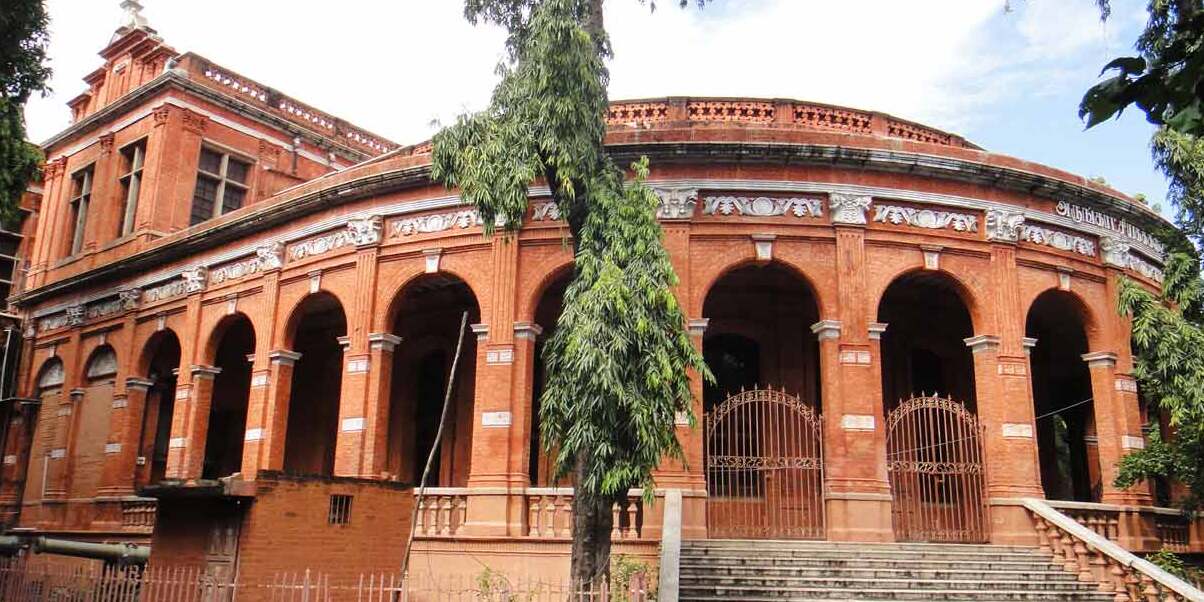

Nestled in the heart of Chennai, the Government Museum and National Art Gallery is a cultural gem that offers visitors a window into the rich history and artistic heritage of South India. Constructed in the 18th century as part of the Pantheon Complex, this museum stands as one of the finest examples of colonial architecture in the subcontinent. Its inception dates back to 1851 when it was first established to promote the study of natural history and archaeology. Over the years, it has evolved into a treasure trove of artifacts and a testament to the region's diverse cultural landscape.
The architectural style of the Government Museum is predominantly Indo-Saracenic, characterized by its grand arches, domes, and intricate detailing. The museum's expansive grounds also feature the Connemara Public Library and the National Art Gallery, each showcasing unique elements of design and function. Visitors can marvel at the artworks on display, including exquisite South Indian sculptures and bronzes that date back centuries, representing the artistic prowess of ancient civilizations.
From Buddhist relics to Hindu sculptures, the museum's collections span various eras, reflecting the evolution of artistic expression in South India. The National Art Gallery, a highlight of the complex, boasts a rich collection of traditional and contemporary Indian art, including works by celebrated artists such as Raja Ravi Varma. The gallery's vibrant hues and emotive themes invite visitors to engage with the deeper narratives of Indian culture and spirituality.
The cultural significance of the museum extends beyond its walls. It is an important site for local customs and traditions, often serving as a venue for events and exhibitions that celebrate Chennai's vibrant arts scene. Festivals like Pongal, which marks the harvest season, are celebrated with fervor, and the museum often hosts activities related to such local festivities, drawing in both residents and tourists alike.
When visiting Chennai, one cannot overlook the city's rich gastronomy. The area surrounding the Government Museum is a haven for food lovers, with local delicacies such as idli, dosa, and the tangy sambar showcasing the flavors of Tamil Nadu. Street vendors and small eateries nearby serve these traditional dishes, offering an authentic taste of the region's culinary landscape. Pair your meal with a refreshing filter coffee, a staple of South Indian culture that will invigorate your senses.
For those exploring the Government Museum, there are several lesser-known curiosities that often escape the attention of tourists. One such gem is the fossilized tree located within the museum grounds, a remarkable relic that dates back millions of years. Additionally, the museum's anthropology section features fascinating exhibits on the indigenous tribes of South India, shedding light on their customs, lifestyles, and history.
To make the most of your visit, timing is key. The best time to explore the Government Museum is during the cooler months, from November to February, when the weather in Chennai is more pleasant. Arriving early in the day can help you avoid crowds, giving you a chance to immerse yourself in the exhibits. Be sure to allocate ample time to stroll through the serene gardens that surround the museum, offering a peaceful respite from the bustling city.
In conclusion, the Government Museum and National Art Gallery is not just a collection of artifacts; it is a vibrant narrative of Chennai's rich history and cultural evolution. With its stunning architecture, diverse collections, and connection to local traditions, this museum stands as a beacon of artistic heritage in the heart of Tamil Nadu. As you plan your visit, consider using the Secret World app to craft a personalized AI itinerary that will guide you through the wonders of Chennai.


