
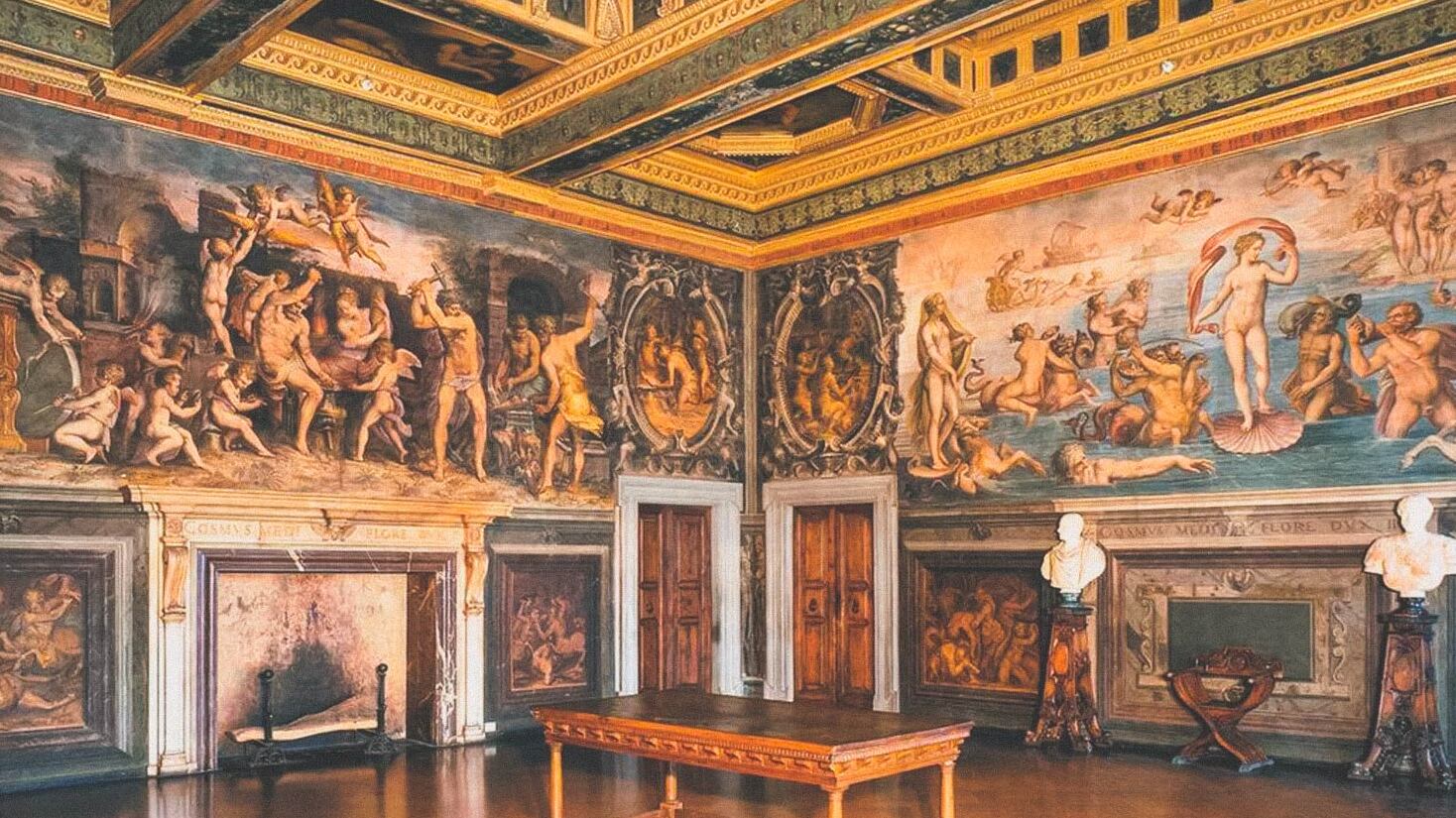

Nestled in the heart of Arezzo, the Vasari House Museum stands as a testament not only to the artistic genius of Giorgio Vasari but also to the rich tapestry of Tuscan history. Known for coining the term "Renaissance," Vasari's influence extended far beyond his lifetime, and this house, which he purchased in 1541, reflects both his personal and professional life.
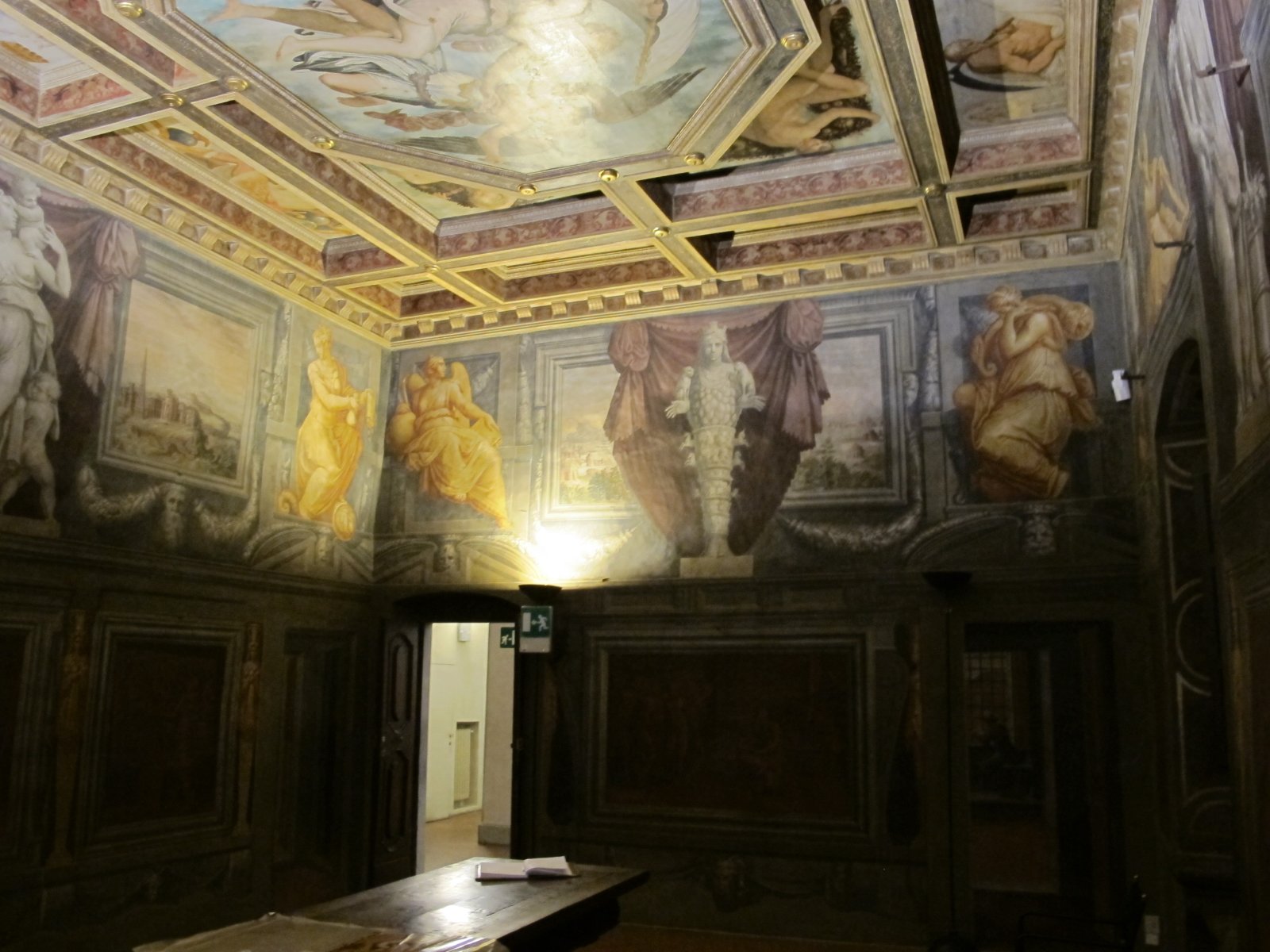
The origins of the building date back to the late Middle Ages, but it was under Vasari's stewardship that it evolved into a veritable cultural hub. His description of the house as “a place to create beautiful gardens in the village of San Vito, in the best air of the city” reveals his aspirations and the significance he attributed to his surroundings. The house features three distinctive floors: the basement, the elegant noble apartment on the first floor, and a second floor likely intended for servants. Each level encapsulates a slice of Vasari's life, offering visitors a glimpse into the domesticity of a Renaissance artist.
Architecturally, the Vasari House showcases a blend of Mannerist and Renaissance styles, characterized by its harmonious proportions and elegant facades. The centerpiece is the grand staircase that leads to the noble apartment, adorned with Vasari's own frescoes that celebrate not only his artistic legacy but also the achievements of his contemporaries. The intricate details on the walls and ceilings reveal his intention to create a narrative of artistic celebration, positioning himself among the greats of his time.
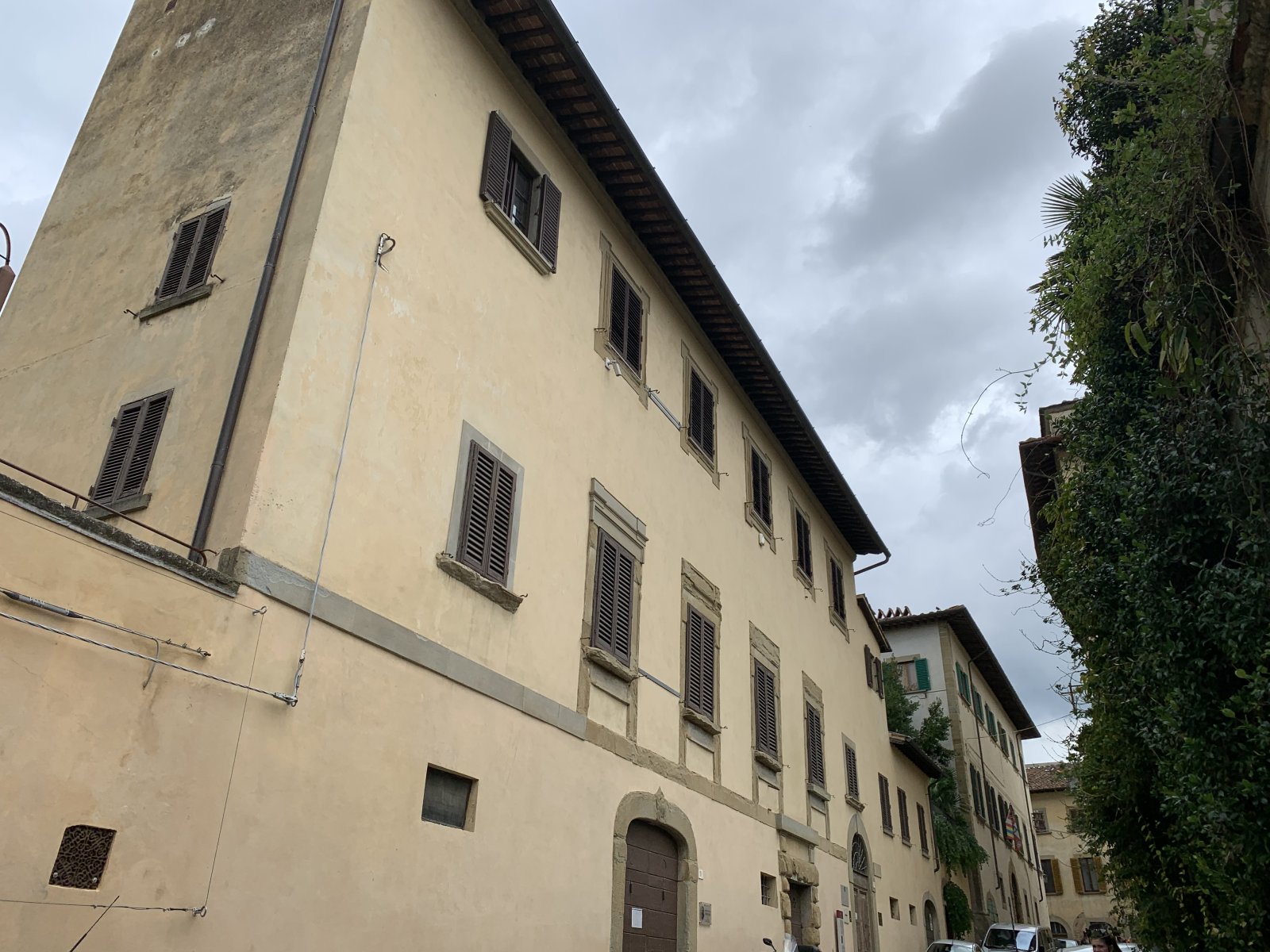
As you wander through the museum, you'll encounter a collection of artistic treasures. Vasari’s paintings, notably the Allegory of Painting, stand out, showcasing his mastery in blending the human form with thematic depth. The artistic significance of the house extends beyond its walls; it serves as a reminder of Vasari's role in documenting the lives of other artists in his seminal work, *Le Vite de' più eccellenti pittori, scultori, e architettori* (The Lives of the Most Excellent Painters, Sculptors, and Architects).
Surrounding the house is a garden designed with a centralized geometric structure, a common feature in the historic center of Arezzo. This garden not only enhances the aesthetic appeal of the property but also reflects the Renaissance ideals of symmetry and order. It is a peaceful spot to contemplate the influence of the arts on life during Vasari's time.
Arezzo is not just a museum town; it is alive with local culture and traditions. One cannot discuss the city without mentioning the famed Giostra del Saracino, a historical jousting tournament held twice a year in June and September. This event harks back to medieval times and showcases the competitive spirit of the city, drawing locals and tourists alike. While in Arezzo, visitors can also enjoy the vibrant atmosphere of the Antique Fair, held on the first weekend of every month, where treasures from the past come to life.
When it comes to gastronomy, Arezzo offers a delightful array of Tuscany’s culinary gems. Be sure to try Pici, a hand-rolled pasta often served with a rich garlic and tomato sauce. The Cinghiale (wild boar) is another local delicacy, typically prepared in a hearty stew. Pair your meal with a glass of Chianti, the iconic red wine that complements the robust flavors of Tuscan cuisine. The Torta della Nonna, a custard tart topped with pine nuts, is a must-try dessert that perfectly encapsulates the region's sweet offerings.
Among the lesser-known curiosities of the Vasari House Museum is the fact that Vasari was not just an artist but also an architect; he was responsible for the design of the Uffizi Gallery in Florence. His multi-faceted skills are reflected in the careful layout of his home, which served as a studio, residence, and a showcase of his work. Additionally, the house gives insight into the life of its last descendant, Francesco Maria Vasari, who in 1687 bequeathed the property to the Fraternita dei Laici, ensuring its preservation for future generations.
For those planning a visit, the best time to explore the Vasari House Museum is during the spring or fall when the weather is mild and the gardens are in full bloom. Aim to spend a few hours wandering through the rooms to fully appreciate the artistry and history embedded within its walls. Don’t forget to examine the intricate details of the frescoes and to stroll through the surrounding gardens, where the scent of blooming flowers mingles with the crisp Tuscan air.
In conclusion, the Vasari House Museum is more than just a collection of artworks; it is a portal into the Renaissance era, a celebration of creativity, and a reflection of local culture and gastronomy. To enhance your experience, consider using the Secret World app to craft a personalized itinerary for your visit to Arezzo.


