
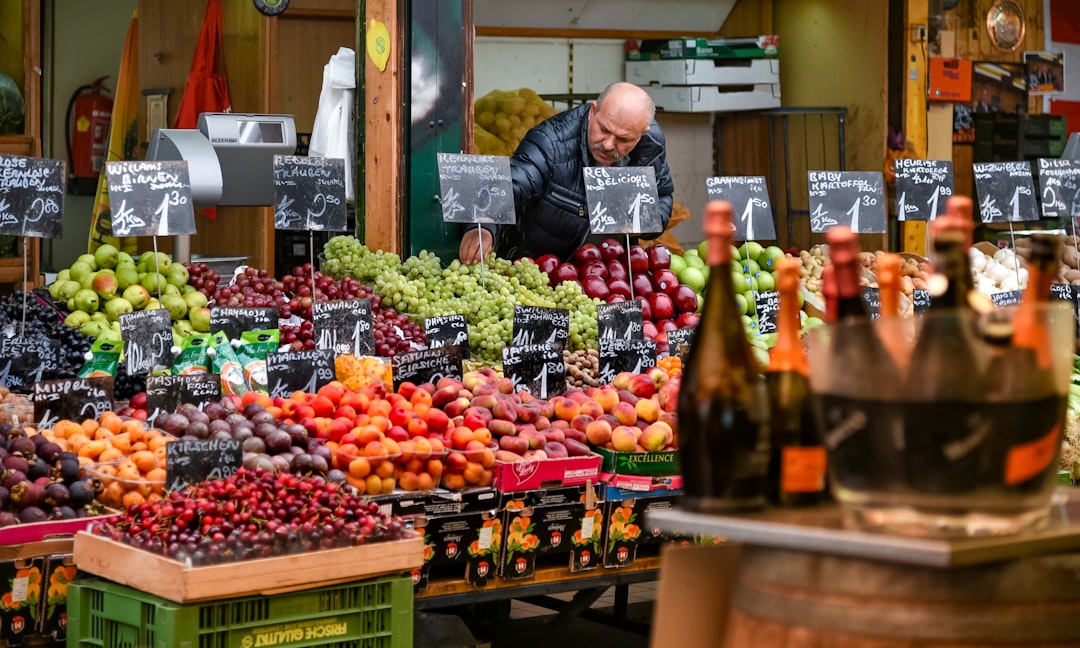

The smell of cumin and smoked paprika mixes with that of aged cheese as soon as you step down from the U4 station at Kettenbrückengasse. Vienna's Naschmarkt stretches for about 1.5 kilometers along the bed of the Wien River, covered in the course of the 19th century, and today has over 120 stalls selling everything from marinated olives to Eastern spices, from Austrian cheeses to Turkish kebabs. It is not a market for hurried tourists — it is the place where Viennese people really come to shop.
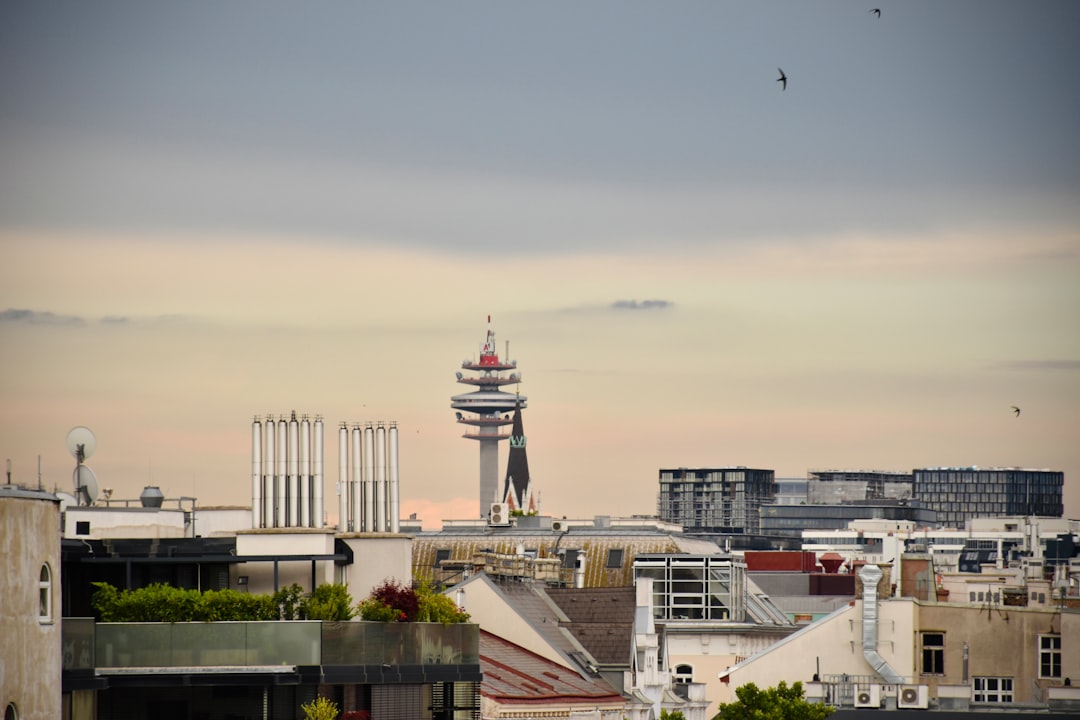
The origins of the market date back at least to the 16th century, when milk vendors began to gather in this area of the city. The current structure, with its metal and wooden stalls in the characteristic Jugendstil style, was established between the late 19th century and the early 20th century, a period when Vienna was the capital of a multi-ethnic empire. That diversity is still reflected today in the composition of the market, where stalls of Balkan, Middle Eastern, and Central European products coexist side by side.
The flavors to seek among the stalls
The most interesting culinary journey begins on the east side of the market, where bulk spice vendors are concentrated. Here you can find blends of za'atar, harissa paste, dried chilies from various origins, and fresh turmeric roots. Prices are generally competitive compared to supermarkets, and many vendors allow tastings before purchasing — a habit that makes the stroll slow but enjoyable.
The stalls of Austrian and Central European cheeses deserve special attention. The Bergkäse, a matured alpine cheese produced in the mountainous regions of Austria, is available in various aging versions, with flavors ranging from sweet and buttery to spicy and granular. Alongside local cheeses, Balkan varieties such as Greek feta and Bulgarian kashkaval often appear, a testament to the multicultural composition of contemporary Vienna.
Street food and restaurants on site
Along the central avenue of the Naschmarkt, stalls of ready-made food and small restaurants with outdoor tables alternate. The Würstelstand — the classic stands of Viennese sausages — are also present here, but the real peculiarity of the market is the concentration of different cuisines within a few meters: you can eat a plate of Lebanese mezze, then move five stalls over and find smoked Norwegian salmon or Vietnamese rice rolls.
Many of the fixed restaurants overlooking the market offer lunch menus at reasonable prices, often between 10 and 15 euros for a complete meal. The quality varies significantly from one place to another: spots with handwritten menus and a short list tend to offer fresher products compared to those with laminated signs and dozens of options.
The Saturday Market: Antiques and a Different Atmosphere
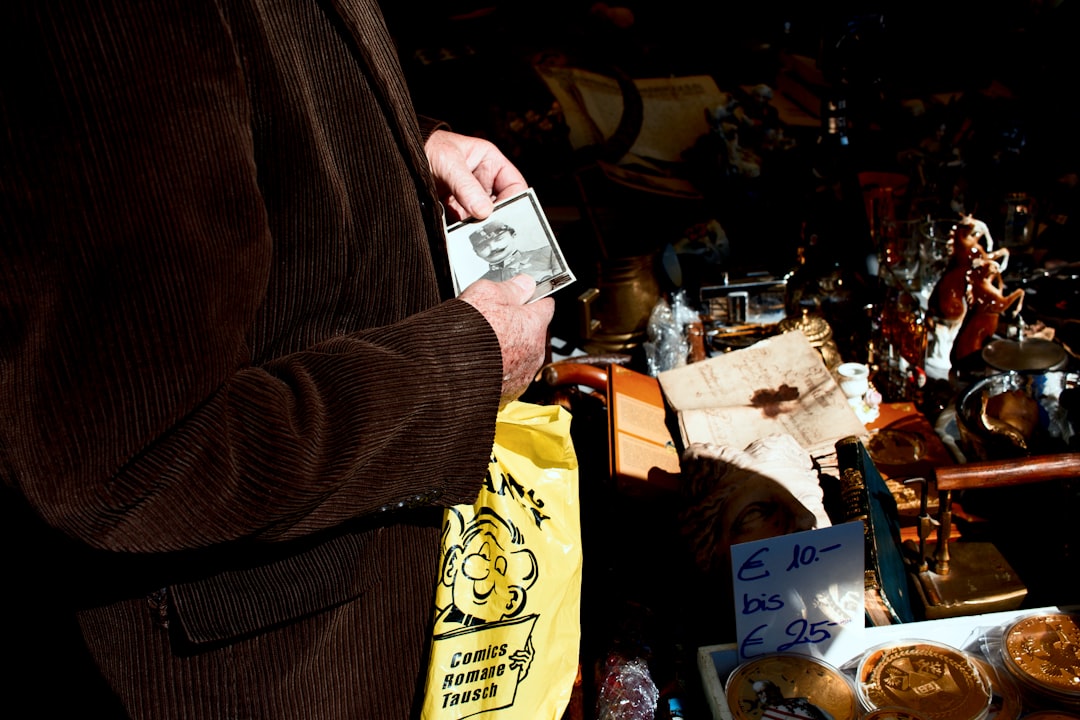
Every Saturday morning the Naschmarkt partially transforms: in the westernmost section, towards Kettenbrückengasse, an antiques and flea market is added that attracts collectors and curious visitors from all over the city. Among the tables, one can find Viennese porcelain, silverware, books in German, and design objects from the Fifties and Sixties. The atmosphere on Saturday is more crowded and chaotic compared to other days, but it offers a more complete experience.
Those who come only for food should know that on Saturdays the prices at food stalls tend to be slightly higher, and the crowd makes it more difficult to move calmly among the products. For those who want to taste without haste, weekdays — particularly Tuesday and Thursday mornings — offer a quieter atmosphere and vendors more willing to explain the origins of their products.
How to get there and how much time to dedicate
The Naschmarkt is easily reachable by subway: the U4 line stops directly at Kettenbrückengasse, which corresponds to the central part of the market. Alternatively, the Karlsplatz stop allows you to start your visit from the eastern end, where the spice and exotic fruit stalls are located. The market is open from Monday to Saturday; it is closed on Sundays, with the exception of the flea market that occupies only part of the space.
To visit the market at a leisurely pace and stop to taste something at more points, it is useful to calculate at least two hours. Arriving before 10 in the morning on weekdays means finding the stalls fully stocked and the vendors rested, willing to chat. It is advisable to avoid lunchtime on weekends if you have little tolerance for crowds: at that time, the central avenue becomes difficult to navigate and the waiting times at the cooked food counters increase significantly.


