
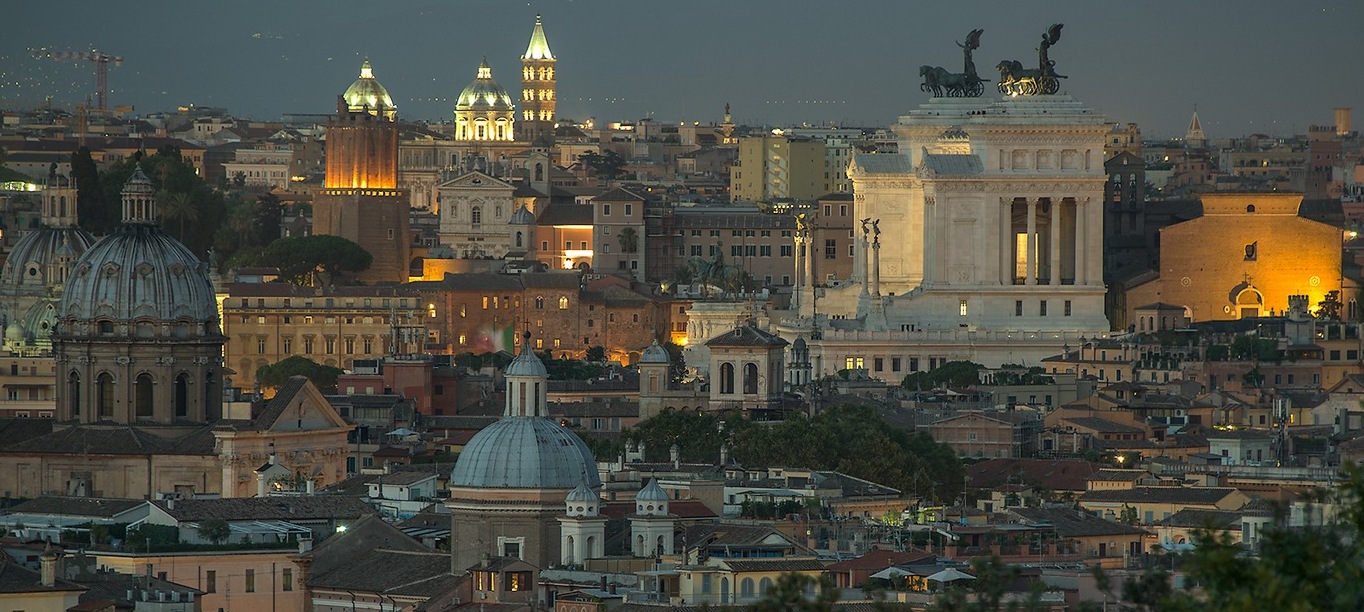

Perched atop one of Rome's most storied hills, the Gianicolo Promenade offers a breathtaking panorama that captures the essence of this eternal city. As you gaze across the undulating skyline, you are not merely witnessing a view but stepping into a living tapestry woven with centuries of history, art, and culture.
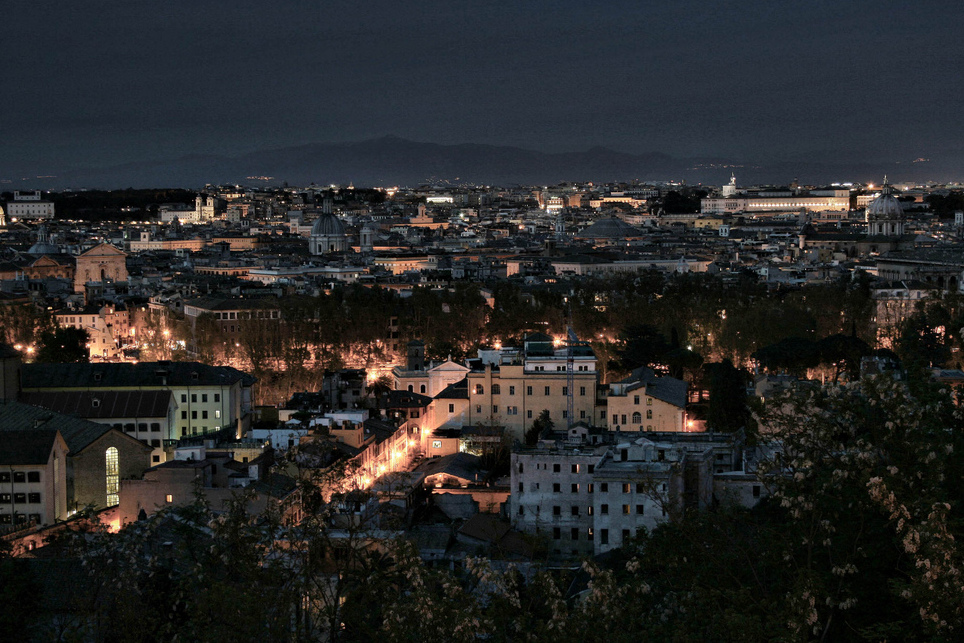
The Gianicolo Hill itself, while not one of the traditional Seven Hills of Rome, has been a silent witness to the city's evolution. Its strategic location made it a vantage point in ancient times, offering defensive benefits that were utilized during the Roman Republic and later during the Risorgimento—the 19th-century movement for Italian unification. It was here, in 1849, that the young general Giuseppe Garibaldi led a valiant, albeit ultimately doomed, defense against French forces supporting papal rule. Today, the hill is home to a statue commemorating Garibaldi's efforts, reminding visitors of its pivotal role in shaping modern Italy.
As you stroll along the promenade, the architectural beauty of Rome unfolds like a grand mosaic. From the towering dome of St. Peter’s Basilica to the noble silhouette of the Pantheon, each structure tells a story of artistic triumph. The city is a testament to the genius of architects like Michelangelo and Bernini, whose works have left an indelible mark on the cityscape. The Gianicolo provides a unique perspective on these masterpieces, allowing one to appreciate the harmonious blend of ancient, medieval, and Renaissance architecture that defines Rome.
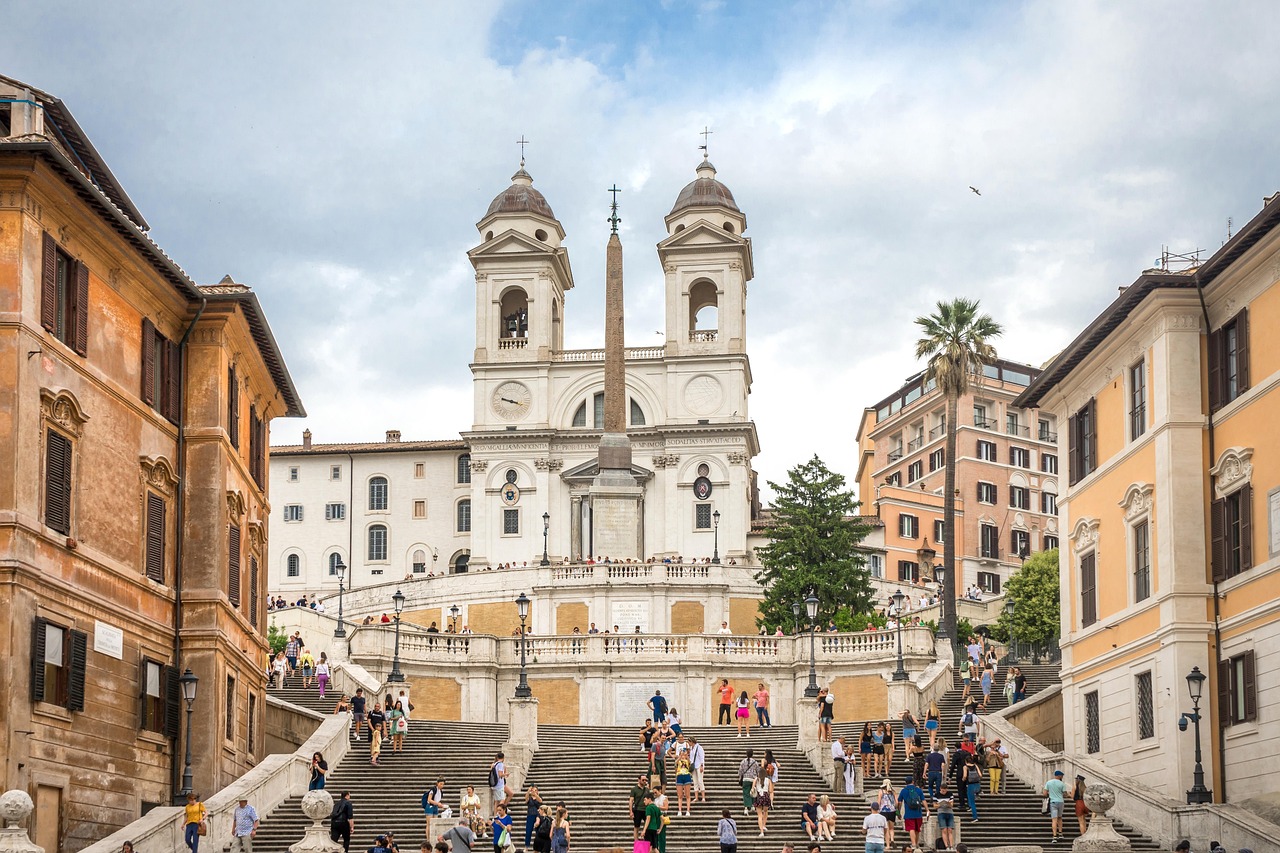
Rome's vibrant culture is as much a draw as its history. The Gianicolo is alive with the sounds of street performers and the daily cannon firing from the Piazzale Garibaldi, a tradition started in 1847 by Pope Pius IX. This daily ritual, meant to synchronize the city's clocks, is a cherished custom that adds to the hill's charm. The nearby Fontana dell'Acqua Paola, an ornate baroque fountain, further enhances the cultural richness of the area, offering a serene spot to experience the artistic spirit of the city.
No visit to Rome is complete without indulging in its rich gastronomy. While the Gianicolo itself may not be famous for food, it is just a short walk from Trastevere, a neighborhood teeming with trattorias and osterias. Here, you can savor Roman specialties like cacio e pepe—a simple yet divine pasta dish made with Pecorino Romano cheese and black pepper—or supplì, fried rice balls that are a local favorite. For dessert, a creamy tiramisu or a scoop of pistachio gelato offers a sweet ending to your culinary journey.
Beyond the well-trodden paths, the Gianicolo holds secrets and stories that often elude the casual visitor. One such curiosity is the Osservatorio Astronomico, an astronomical observatory dating back to 1700. It played a crucial role in the advancement of scientific studies in Italy. Another hidden gem is the Tempietto del Bramante, a small, perfectly proportioned temple located in the courtyard of San Pietro in Montorio. Designed by Donato Bramante, it is considered a masterpiece of Renaissance architecture and is said to mark the spot of St. Peter’s crucifixion.
For those planning a visit, the Gianicolo Promenade is particularly enchanting at sunrise or sunset when the soft light bathes the city in a golden glow. This is the best time to capture the city's beauty and avoid the midday crowds. Comfortable walking shoes are a must, given the hill's steep paths. Don't forget to bring a camera or a sketchpad to capture the unforgettable vistas.
In conclusion, the Gianicolo Promenade is more than just a viewpoint. It is a gateway to Rome's soul, offering a unique blend of history, art, and culture that captivates the heart and ignites the imagination. Whether you are a history buff, an art lover, or simply a traveler seeking inspiration, the Gianicolo offers a perspective on Rome that is as profound as it is beautiful.


