
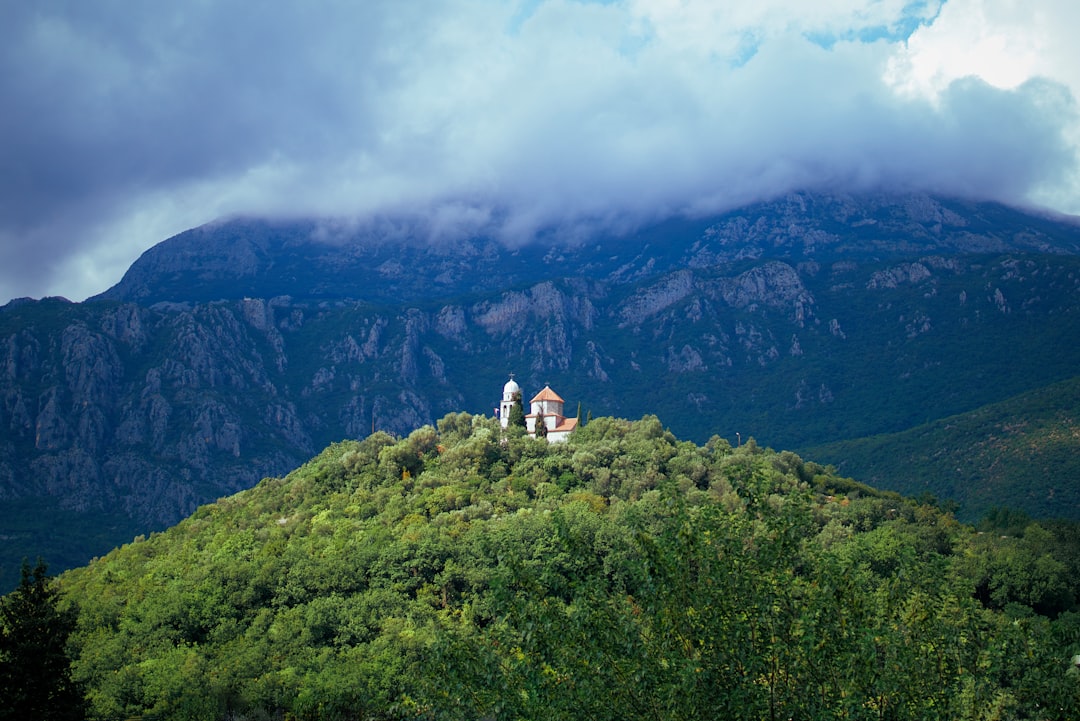

In the heart of Montenegro, immersed in a landscape that tells stories of centuries past, stands the Vlaška crkva, a Serbian Orthodox church built in 1450 in the village of Donji Kraj. This sacred place, located in the Cetinje field, is a perfect example of how history and culture intertwine in this fascinating corner of the Balkans. The church, dedicated to the Vlach community, is not only an important religious site but also a monument that preserves the memory of ancient traditions and legends rooted in the region's history.
The Vlaška crkva rises on an ancient bogomil cemetery, a resting place for the deceased that hosts about 150 stećci, the monumental stone tombs typical of Slavic culture. Only two of these stećci have survived to this day, and it is said that they hold the remains of significant historical figures, making the site even more intriguing for visitors.
Historical and Cultural Context
The church was erected during a crucial period for Montenegro when the region was part of the principality of Zeta. The construction of the Vlaška crkva is associated with the figure of Ivan Crnojević, a local leader who played a fundamental role in Montenegrin history. The choice to build the church on an ancient bogomil cemetery reflects the importance of this sacred place and respect for local traditions. The presence of the stećci testifies to the cultural and religious heritage of the area, which continues to live through the stories and legends surrounding the church.
The name "Vlaška" is linked to the Vlach shepherds, who in the 15th century were known for their skill in livestock care. According to some theories, the church was built to honor these guardians of nature and tradition. The various interpretations of the name's origin reveal the richness of local culture and its evolution over the centuries, making the Vlaška crkva a symbol of identity and belonging for the community.
What Impresses About the Place
Visiting the Vlaška crkva, one encounters an atmosphere of serenity and contemplation. Its simple yet evocative architecture harmoniously integrates into the surrounding landscape. The stone walls and tiled roof create a fascinating contrast with the lush green hills around. The church is surrounded by an aura of sacredness, inviting visitors to reflect and immerse themselves in the history it represents.
The two remaining stećci, which once faced each other, now lie side by side, telling stories of ancient warriors and their families. The legend of Bajo Pivljanin and his wife, buried beneath these tombs, adds another layer of charm to this place. Visitors can feel part of a larger narrative, uniting past and present in an experience that enriches the soul.
Visiting Experience
A visit to the Vlaška crkva offers the opportunity to explore not only a place of worship but also a piece of living history. Culture and history enthusiasts will find here an ideal environment to deepen their knowledge of Montenegrin traditions and the significance of religion in the daily life of the community. The tranquility of the site allows for moments of reflection and spirituality, away from the hustle and bustle of modern life.
It is advisable to visit the church during daylight hours to fully appreciate the beauty of the surrounding landscape and the light reflecting on the ancient stones. The friendliness of the locals and their willingness to share local stories will further enrich the experience, making the visit to the Vlaška crkva unforgettable.
Practical Information for Visitors
To reach the Vlaška crkva, visitors can use private transportation, as the site is located in a relatively isolated position. It is advisable to plan the visit in advance, considering weather conditions and the season, as Montenegro can be subject to significant climatic variations. Wearing comfortable shoes is essential, as the path to the church may present some challenges.
The Vlaška crkva is open to the public, and there are no entrance fees, making it accessible to everyone. However, it is always good to respect the behavioral norms in a sacred place and maintain an attitude of respect towards the culture and history that this place represents. Using the Secret World app can provide additional information and tips to make your visit even more meaningful.


