
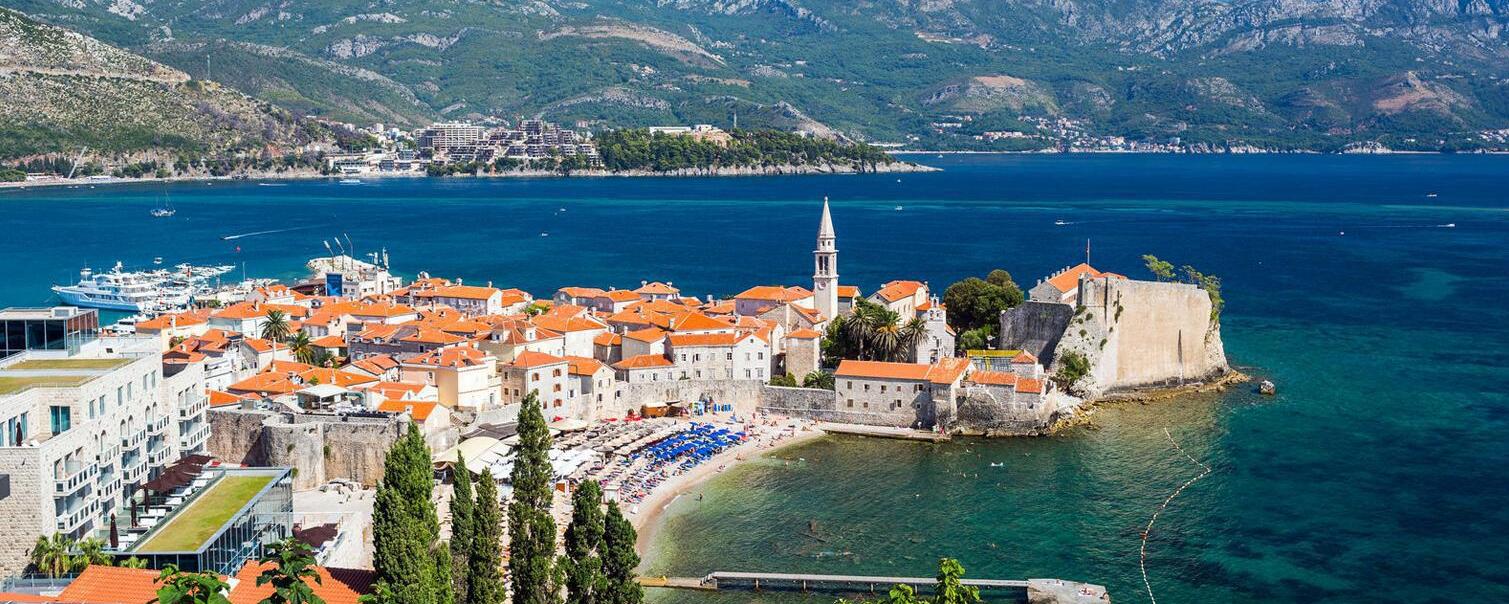

Nestled along the Adriatic coast, Budva in Montenegro is a captivating blend of history, culture, and seaside allure. This enchanting town, often dubbed the "Metropolis of Montenegrin Tourism," offers more than just picturesque beaches and a vibrant nightlife—it is a living tapestry of ancient tales and modern festivities.
The origins of Budva are steeped in legend and antiquity. Archaeological evidence suggests that Budva is one of the oldest settlements on the Adriatic coast, with its founding dating back to the 5th century BC. According to myth, the town was founded by Cadmus, a Phoenician prince, who was exiled from Thebes, lending an air of mythological mystery to Budva's already rich history. Over the centuries, Budva has been under the rule of various empires and states, including the Romans, Byzantines, Venetians, and Ottomans, each leaving an indelible mark on the town's cultural and architectural landscape. Particularly notable is the 15th century when Budva was incorporated into the Venetian Republic, a period that greatly influenced its architectural style.
The Old Town, or Stari Grad, is a testament to this layered history, with its narrow, cobblestone streets and medieval architecture. Encircled by well-preserved Venetian walls, the town is a maze of quaint squares and ancient churches. One must-visit site is the Citadel, a fortress offering breathtaking views of the Adriatic and a glimpse into the area's strategic military past. Artistic significance abounds in Budva, with remnants of Roman mosaics and frescoes in the Church of Santa Maria in Punta, believed to be the oldest pre-Romanesque church in Montenegro.
Budva's cultural heartbeat is palpable through its lively festivals and traditions. The town hosts the annual Budva Theatre City, a festival that transforms the entire area into an open-air stage, celebrating performing arts in the heart of summer. Another notable event is the Carnival of Budva, which brings a splash of color and joy to the streets with its parades and masquerades, reflecting the town's vibrant spirit and its people's love for celebration.
Gastronomically, Budva offers a delightful journey through Montenegrin cuisine, heavily influenced by Mediterranean flavors. Fresh seafood is a staple here, with dishes such as grilled octopus and black risotto made from cuttlefish ink. Don't miss trying Njeguški pršut, a type of smoked ham, and Kačamak, a hearty dish made from potatoes, cheese, and cornmeal. Local wines, particularly the robust red Vranac, complement the culinary experience, offering a taste of Montenegro's rich viticultural heritage.
Beyond the well-trodden paths, Budva hides several curiosities. Legend has it that the island of Sveti Nikola, just off the coast, was once connected to the mainland by a narrow isthmus. Known locally as "Hawaii," this serene spot offers secluded beaches and is home to a small population of deer, adding a whimsical touch to its natural beauty. Another hidden gem is the Monastery of Podmaine, nestled in the hills above Budva, offering a tranquil escape and a glimpse into the monastic life that has persisted here for centuries.
For those planning a visit, the best time to explore Budva is between May and September, when the weather is warm and the Adriatic Sea invites you for a swim. However, visiting in the shoulder seasons of spring and autumn provides a quieter experience, allowing travelers to enjoy the town's charms without the summer crowds. Practical tips for visitors include wearing comfortable shoes for exploring the cobbled streets of Stari Grad and indulging in local markets, such as the one in TQ Plaza, for authentic Montenegrin souvenirs.
Budva is more than just a destination; it's a narrative of resilience and celebration, where ancient tales meet modern-day vibrancy. Whether you're wandering through its storied streets, savoring its culinary delights, or soaking in the Adriatic sun, Budva promises a journey that engages all the senses.


