


I had three days in Los Angeles, a list of twenty places to see, and zero idea of how to connect them without losing hours in traffic on the 405 freeway. Anyone who has visited LA knows that the geography of the city is the real challenge: from Santa Monica to Griffith Park there are almost 18 kilometers, from Venice Beach to the Getty Center another 12, and without a logical plan you end up going back and forth, wasting half the time in traffic. It was at that moment that I decided to test Secret World AI Trip Planner, after using Wanderlog for months as a reference.

I have been using Wanderlog since 2025 to organize itineraries, and my overall rating remains positive for the manual management of lists. But for this trip to Los Angeles, I wanted something smarter, capable of reasoning about the actual logistics of the city. I paired the two tools for six months, and what I discovered deserves to be told honestly.
What I asked the AI and what it really answered
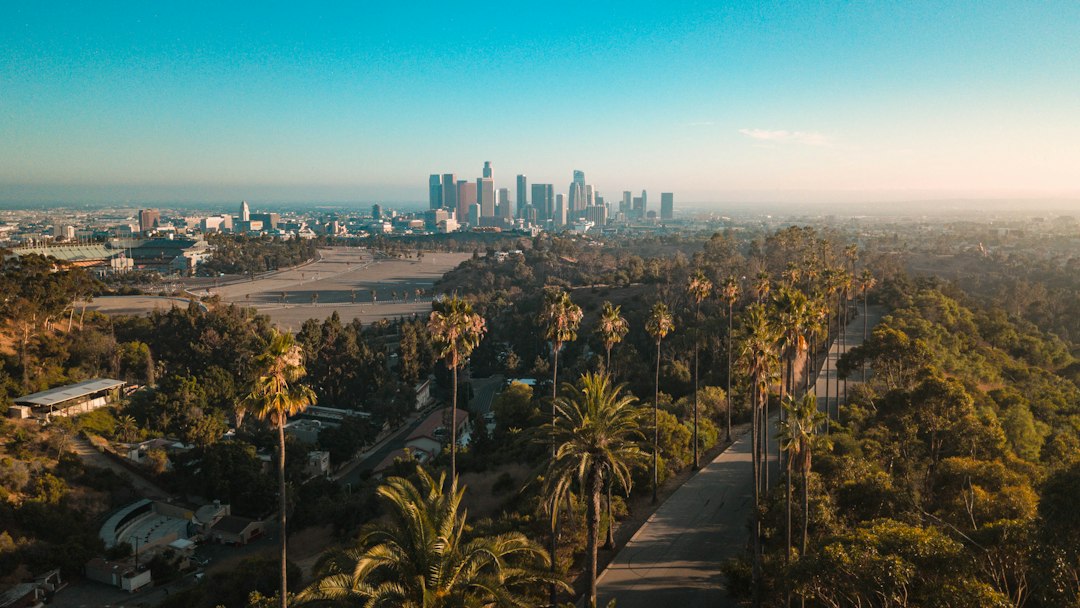
My first request to Secret World was straightforward: “Three days in Los Angeles, medium budget, I want to see art, nature, and a bit of local culture. I’m starting from a hotel in Koreatown.” In less than thirty seconds, the AI generated an itinerary that grouped attractions by geographical area, not by thematic category. Day one: LACMA (Los Angeles County Museum of Art, entrance about 25 dollars), the La Brea Tar Pits 200 meters away, and the Farmers Market in Fairfax within walking distance. All within a two-kilometer radius. Day two: Griffith Observatory free of charge, a break at the Greek Theatre, then heading down to Los Feliz for lunch. Day three: Getty Center (free entrance, parking 20 dollars), Santa Monica Pier, sunset at Venice Beach.
The geographical logic was impeccable. Wanderlog would have allowed me to build the same list, but I would have had to think it through, manually move the pins on the map, calculate the times. Secret World did it autonomously, also suggesting that the Getty Center is best visited early in the morning to avoid lines, and that parking at Griffith Park fills up by 10 AM on weekends. Operational details that make a difference.
Dove Secret World beats Wanderlog: real-time management
Wanderlog excels in visualization: clean maps, import from Google Maps, collaboration with other travelers. It is a solid tool for those who already know what they want and just need to organize it visually. The limitation emerges when you ask for advice: Wanderlog does not reason, it collects. Secret World, on the other hand, interprets the context. When I added that I had a six-year-old child, the AI redesigned the itinerary by including the Natural History Museum of Los Angeles County (free admission for children under 12), reduced walking times, and suggested avoiding MOCA on Mondays because it is closed.

I tested the same scenario on Wanderlog: the tool has no mechanism to adapt suggestions to personal variables. You can add notes, but do not expect the software to process them. For an experienced and independent traveler, Wanderlog works great. For those who want an assistant to think for them, the difference is substantial.
The honest limits I found

No serious review is complete without criticisms. Secret World on two occasions suggested restaurants that, upon checking on Google Maps, had changed management or hours. The data on prices and hours of attractions should always be verified independently, especially for museums like the Hammer Museum in Westwood which has variable entry policies. AI is good at reasoning about logistics, less reliable as a database updated in real time.
Another limit: for very niche itineraries, such as a tour of the murals in Boyle Heights or the jazz venues in Leimert Park, the responses were more generic. For mainstream Los Angeles, Getty, Hollywood Bowl, Runyon Canyon, the quality was high. For alternative LA, it still needs to be supplemented with personal research.
The final vote and why it is 9 out of 10
After six months of parallel use between Wanderlog and Secret World, my judgment on the latter is 9 out of 10. The missing point is precisely the real-time update of practical data. But the ability to build logistically coherent itineraries for a complex city like Los Angeles, adapt them to the traveler's profile, and explain the reasoning behind each choice, is something that Wanderlog does not offer and that no other competitor I have tested offers at the same level. For a trip to Los Angeles, where geography can destroy your time budget, having a tool that reasons on the map instead of just populating it is worth the difference by itself.
If you are planning a trip and want to stop wasting hours manually fitting attractions and movements, try Secret World AI Trip Planner for free on the official website. Enter your destination, your travel profile, and let the AI build the first draft: then evaluate for yourself if the time saved is worth the change of tool. In my case, the answer was yes without hesitation.


