



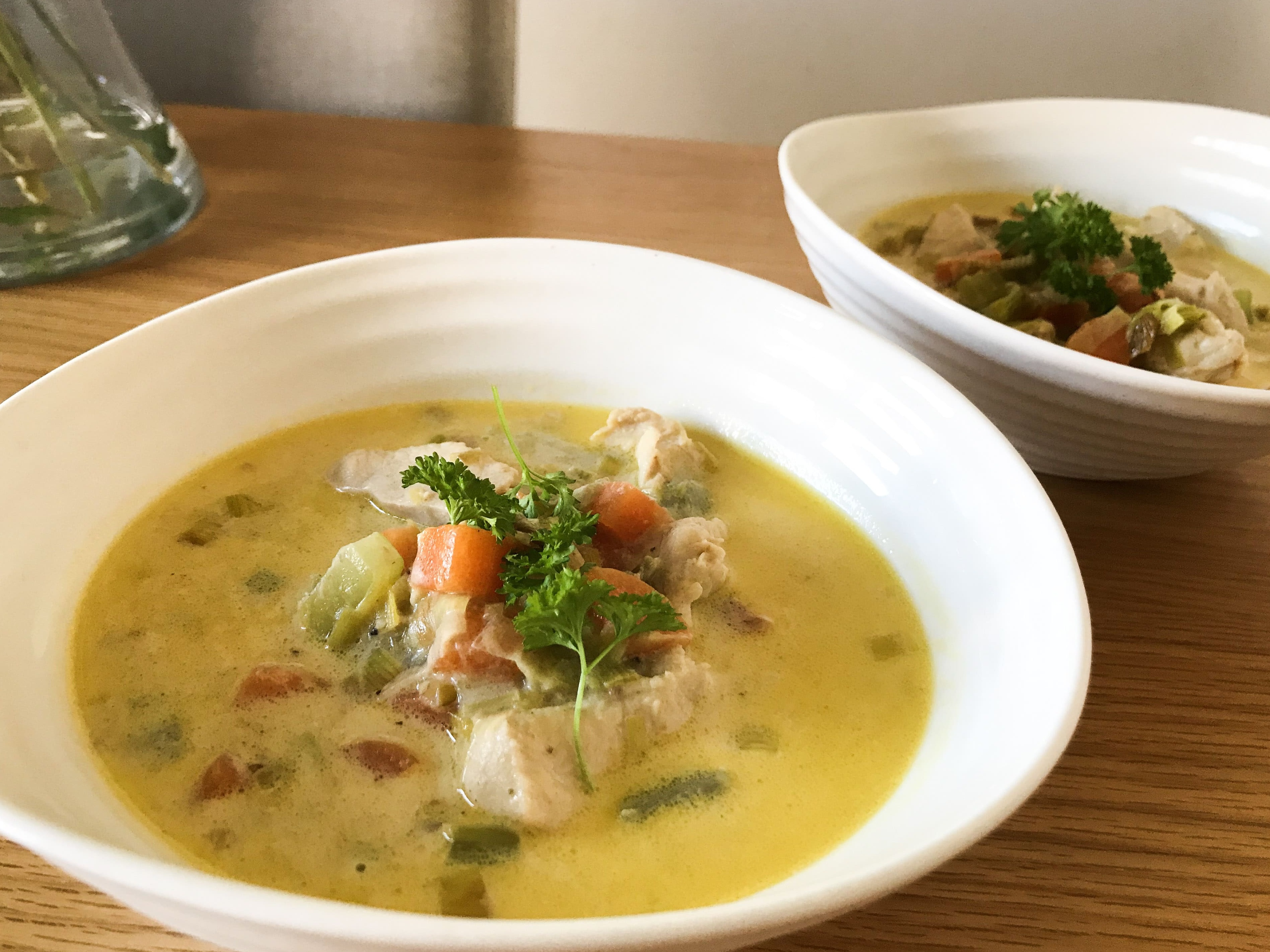
Delving into the heart of Flemish cuisine, one cannot overlook the comforting embrace of Waterzooi, a classic stew with deep roots in the culinary traditions of Flanders. Originating from the medieval city of Ghent (Gent in Dutch), this dish's history is as rich as its creamy broth. The term "zooien" means "to boil" in Dutch, hinting at its preparation method that has warmed the hearts of locals for centuries.
The story of Waterzooi begins in the medieval period when the rivers of Ghent teemed with fish. Originally, this stew was a fisherman's staple, made with a variety of freshwater catches. However, as urban expansion took its toll, the waters became too polluted, leading to a scarcity of fish. Necessity being the mother of invention, the locals adapted, and thus the chicken variation of Waterzooi was born. Today, both versions coexist, offering a taste of history with each spoonful.
Brussels, a city renowned for its art and architecture, provides a fitting backdrop for enjoying this traditional dish. The city's architectural style is a tapestry of Gothic, Baroque, and Art Nouveau, with landmarks such as the Grand Place and the Atomium drawing visitors from around the world. In this setting, Waterzooi is more than just a meal; it's an experience woven into the very fabric of Belgian culture.
Cultural life in Brussels is vibrant and diverse, mirroring the rich heritage of its culinary traditions. Festivals like Ommegang, a historical pageant, celebrate the city's medieval past, while events such as Brussels Jazz Festival showcase its modern cultural dynamism. In this milieu, Waterzooi serves as a culinary ambassador, connecting locals and visitors alike to the region's storied past.
The gastronomy of Brussels is a feast for the senses. Beyond Waterzooi, the city is famous for its Belgian waffles, chocolates, and frites. Each dish tells a story, with ingredients sourced from the fertile lands of Flanders. Pairing Waterzooi with a local Trappist beer or a crisp white wine enhances its flavors, offering a true taste of Belgian hospitality.
For those seeking the lesser-known aspects of Brussels, the history of Waterzooi offers some intriguing insights. Did you know that the dish was once considered a "poor man's meal"? Over time, it has climbed the culinary ladder to become a delicacy, served in prestigious restaurants across the city. Moreover, some historical accounts suggest that the original Waterzooi might have included exotic spices brought in by traders, adding an unexpected twist to its humble beginnings.
When planning a visit, the best time to experience Brussels and its culinary delights is during the spring or early autumn. The weather is mild, and the city is alive with festivals and events. To truly enjoy Waterzooi, seek out traditional bistros and restaurants in the Sablon or Saint-Gilles districts, where chefs continue to honor this dish's storied legacy.
As you explore the cultural and culinary tapestry of Brussels, use the Secret World app to craft a personalized AI itinerary that ensures you won't miss any hidden gems.
