
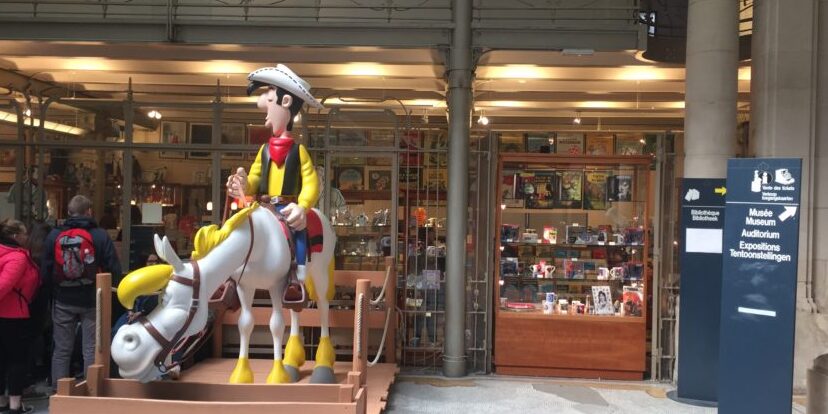

In the heart of Brussels, the Centre Belge de la Bande Dessinée stands as a vibrant tribute to the rich tapestry of the Belgian comic strip. This unique institution marries the nostalgia of the past with the creativity of the present, inviting visitors to explore the world of comics that has captivated generations.
History and Origins
The journey of the Belgian comic strip began in the late 19th century, but it gained significant momentum in the early 20th century. The Centre Belge de la Bande Dessinée was officially established in 1989, housed in the stunning Grand Magasin Waucquez, a former department store designed by the architect Victor Horta in 1906. This Art Nouveau masterpiece reflects the innovative spirit of the era and serves as a fitting home for the evolution of comic art.
Notable historical figures in this narrative include Hergé, the creator of Tintin, who first appeared in 1929, and André Franquin, known for his iconic character Gaston Lagaffe. The centre showcases the development of comics in Belgium and their connections to silent films and animation, illustrating how these mediums have influenced each other over the decades.
Art and Architecture
The architectural style of the Centre Belge de la Bande Dessinée is a visual feast. Victor Horta’s design is characterized by sweeping curves, intricate ironwork, and elegant glass ceilings, which create an airy atmosphere filled with natural light. The building itself is a work of art, and visitors often find themselves mesmerized by the stunning details that showcase Horta’s mastery of Art Nouveau.
Inside, the centre features original drawings and illustrations from Belgium’s comic legends, alongside contemporary pieces that reflect the ongoing evolution of the medium. The art is displayed in an engaging manner, often accompanied by interactive installations that invite visitors to immerse themselves in the world of comics.
Local Culture and Traditions
Belgium has a profound comic culture, with comic strips considered a significant part of its artistic heritage. Events such as the Brussels Comic Strip Festival, held annually, celebrate this tradition, drawing fans and artists from around the globe. The festival includes parades, workshops, and exhibitions, creating a lively atmosphere that honors both classic and modern comic art.
Local customs often feature comic-themed elements, from murals adorning city walls to comic shops that dot the landscape. The presence of characters like Tintin and the Smurfs in everyday life underscores the cultural importance of these figures, making them symbols of national pride.
Gastronomy
No visit to the Centre Belge de la Bande Dessinée would be complete without indulging in some of Belgium's culinary delights. The on-site brasserie offers a delightful selection of local dishes, allowing visitors to savor the flavors of Belgium while surrounded by the charm of comic art.
Classic Belgian fare includes moules-frites (mussels with fries), stoofvlees (beef stew), and the ever-popular waffles. For those with a sweet tooth, sampling speculoos cookies or enjoying a Belgian chocolate treat is a must. Pair these with a local beer, as Belgium is renowned for its brewing traditions, boasting a diverse array of brews ranging from Trappist ales to fruity lambics.
Lesser-known Curiosities
While many visitors flock to see the iconic characters and displays, few realize that the Centre Belge de la Bande Dessinée also houses an impressive library dedicated to comic art. This library is a treasure trove of rare comics and graphic novels, making it a valuable resource for researchers and enthusiasts alike.
Moreover, hidden in the building are murals and sculptures that pay homage to various comic artists and their creations, often overlooked by casual visitors. Each corner of the centre tells its own story, revealing the depth and richness of the comic strip tradition in Belgium.
Practical Visitor Information
The best time to visit the Centre Belge de la Bande Dessinée is during the spring and fall, when the weather is pleasant, and the crowds are manageable. To fully appreciate the exhibits, plan to spend at least two to three hours exploring the various displays and enjoying the brasserie.
It’s advisable to check the centre's schedule for temporary exhibitions, as these often feature prominent contemporary artists and can provide a fresh perspective on the evolving landscape of comic art. Don’t forget to grab a souvenir from the gift shop, which stocks a variety of comic books, art prints, and unique memorabilia.
As you plan your visit to explore the fascinating world of comics in Brussels, consider using the Secret World app to create a personalized itinerary that suits your interests.


