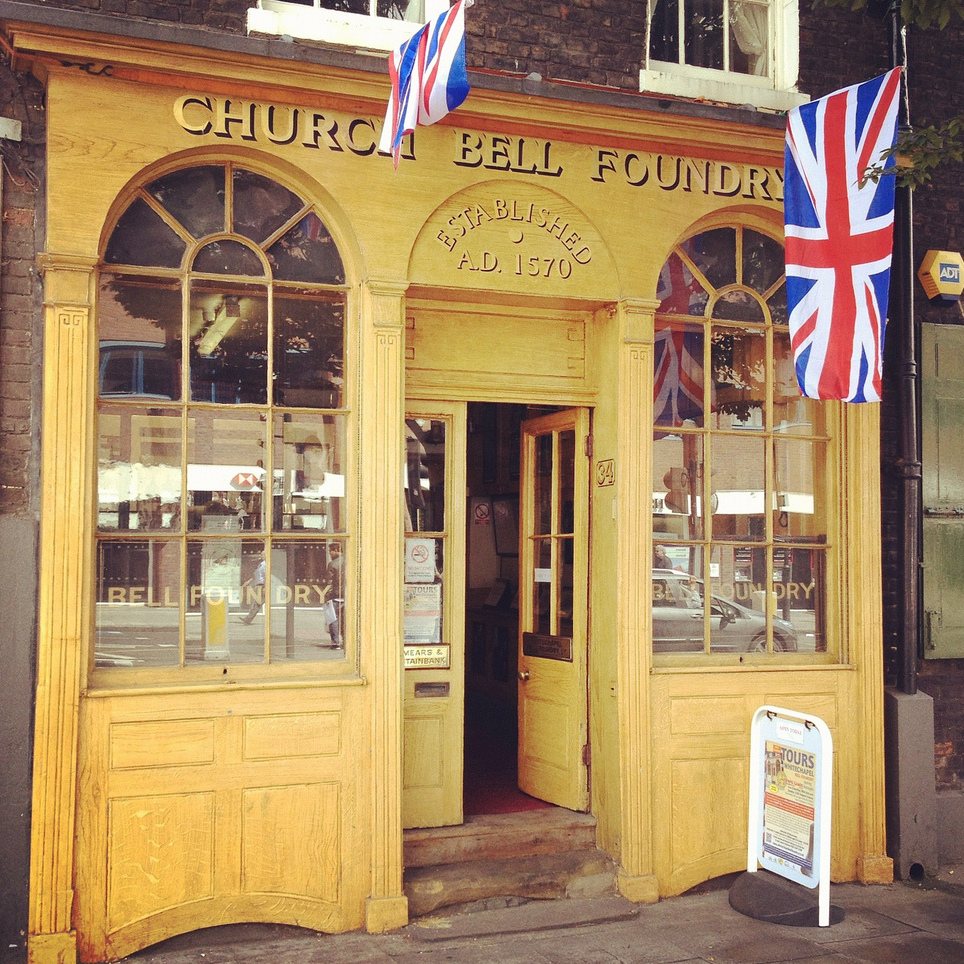

Nestled in the vibrant borough of Tower Hamlets, the Whitechapel Bell Foundry is a true treasure of London, steeped in nearly 500 years of history. Founded in 1570 by Andrew W. W. H. Whitechapel, this remarkable establishment remains the oldest manufacturing company in the UK. Its rich legacy includes crafting iconic bells, including the Great Bell of Big Ben (officially known as The Elizabeth Tower) and the Liberty Bell, a symbol of American independence. The foundry's walls echo with tales that span centuries, making it a vital part of London's cultural tapestry.
### History and Origins The story of the Whitechapel Bell Foundry begins in the late 16th century, during a time when bell-making was a revered craft. Established in 1570, the foundry quickly gained a reputation for producing high-quality bells, thanks to the expertise of its founders and artisans. Over the years, it attracted attention from significant figures, including Sir Christopher Wren, who commissioned the foundry for St. Paul's Cathedral. Throughout its long history, the foundry has weathered numerous challenges, including the devastation of the Great Fire of London in 1666 and the impacts of World Wars, yet it has persevered and remained a beacon of craftsmanship.
The foundry's most famous bell, the Great Bell, was cast in 1858 and has since become an iconic symbol of London. Its deep, resonant chime marks the hours and has become synonymous with the city's identity. The Liberty Bell, cast in 1752, also hails from this historic site, further cementing its place in the annals of both British and American history.
### Art and Architecture The Whitechapel Bell Foundry is not just a hub of historical significance but also an architectural marvel. The premises feature a striking Victorian Gothic façade, characterized by intricate brickwork and arched windows that hint at the craftsmanship within. The interior is equally captivating, with original wooden beams and cast-iron machinery that date back to the 19th century, creating a unique atmosphere that transports visitors back in time.
Artistic significance is woven into the very fabric of the foundry, as each bell cast here bears unique inscriptions and designs that reflect both the artist's vision and the cultural context of the time. The foundry's bells are renowned for their rich tonal quality, a testament to the meticulous craftsmanship that has been perfected over centuries.
### Local Culture and Traditions Located in the heart of East London, the Whitechapel Bell Foundry is intertwined with the local culture. The area is known for its vibrant multicultural community, which is celebrated through various festivals throughout the year. Among these, the Whitechapel Gallery hosts art exhibitions and cultural events that highlight the neighborhood's artistic spirit.
Customs and traditions surrounding bell-ringing are still alive and well. Local churches often enlist the expertise of foundry artisans to maintain their bells, ensuring that the practice continues. This connection to the community fosters a sense of pride and belonging among residents, who see the foundry as a pivotal part of their heritage.
### Gastronomy While the Whitechapel Bell Foundry may not be directly associated with specific culinary delights, the surrounding area offers a rich tapestry of gastronomic experiences. Brick Lane, just a stone's throw away, is famous for its Bengali cuisine, particularly the biryani and freshly baked naan. The streets come alive with aromas from curry houses and bagel shops, where you can find the iconic Salt Beef Bagel, a beloved local delicacy.
For those with a sweet tooth, a visit to Pudding Lane is a must. Here, you can indulge in traditional British desserts, including Sticky Toffee Pudding and Eton Mess, while sipping on a cup of locally brewed tea.
### Lesser-known Curiosities The Whitechapel Bell Foundry is full of unique stories that many visitors might miss. One intriguing fact is that the foundry has been operating continuously in the same location since its inception, making it a living museum of the bell-making trade. Moreover, during World War II, the foundry's bells were crucial in the production of artillery shells, showcasing its adaptability in times of crisis.
Another lesser-known detail is the foundry's connection to famous figures. Samuel Pepys, the celebrated diarist, recorded the commissioning of bells from the foundry in his writings, linking it to the literary history of London.
### Practical Visitor Information The best time to visit the Whitechapel Bell Foundry is during the spring and summer months when the weather is pleasant, allowing for leisurely exploration of the surrounding area. While the foundry itself may not be open for regular tours, special events and open days are often held, so it’s wise to check their official website for updates. Visitors should look out for the bell-casting demonstrations, which provide a fascinating insight into this ancient craft.
When planning your visit, consider exploring the nearby Whitechapel Gallery and the vibrant markets of Brick Lane for a complete cultural experience.
In conclusion, the Whitechapel Bell Foundry not only represents a critical chapter in London's history but also serves as a reminder of the craftsmanship that has shaped our world. To truly appreciate this treasure, consider using the Secret World app to plan a personalized AI itinerary for your visit to Londra.
