


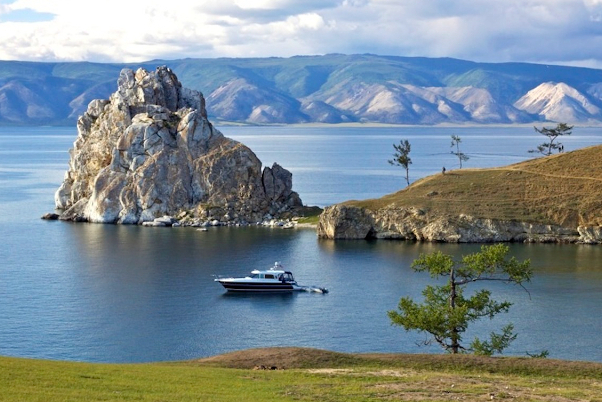
Nestled in the remote heart of Siberia, Lake Baikal is not just a geographical marvel; it is a living testament to the Earth's ancient past, a cradle of biodiversity, and a cultural beacon for the peoples who call its shores home. Known as the "Nature Lake," its crystal-clear waters and dramatic landscapes have inspired awe and reverence for thousands of years.
### History and Origins
Lake Baikal is a profound natural wonder with a history as deep as its waters, which plummet to a staggering 1,642 meters. Formed over 25 million years ago, it is the world's oldest lake, a rift lake that sits in a tectonic fault. Over the centuries, it has been a site of human settlement and spiritual significance. Indigenous groups, such as the Buryats and Evenks, have long revered Baikal, considering it sacred. Russian exploration began in earnest in the 17th century when Cossack expeditions mapped the region, leading to the establishment of settlements such as the historic city of Irkutsk, often referred to as the "Paris of Siberia."
### Art and Architecture
Though the immediate surroundings of Lake Baikal are dominated by nature, there is a rich tapestry of architectural and artistic heritage nearby. The city of Irkutsk, just a short journey from the lake, boasts splendid wooden architecture, a remnant of its 19th-century prosperity. Ornate Siberian baroque churches, like the Church of the Savior and the Epiphany Cathedral, offer glimpses into the artistic flourish brought by Russian settlers. Nearby, the Taltsy Museum, an open-air museum, preserves the traditional wooden architecture of the Buryats and Evenks, providing insights into their art and way of life.
### Local Culture and Traditions
The Buryat people, the largest indigenous group in Siberia, maintain a vibrant cultural presence around Lake Baikal. Their traditions are steeped in shamanism, with the lake itself often featuring in legends and rituals. Festivals like the Yordyn Games, a celebration of Buryat culture, involve traditional sports, music, and dance, drawing visitors into the cultural tapestry of the region. The lake is also central to the Russian Orthodox faith, with events like the annual Epiphany Bathing drawing pilgrims and locals alike to its icy waters.
### Gastronomy
Culinary delights near Lake Baikal are as unique as the lake itself. Freshwater fish like omul and grayling are staples, often smoked or grilled. The Buryat dish buuz, a type of steamed dumpling filled with meat, is a must-try for any visitor. Locally brewed herbal teas, often infused with the flavors of Siberian herbs and berries, offer a comforting warmth against the region's cold climate.
### Lesser-known Curiosities
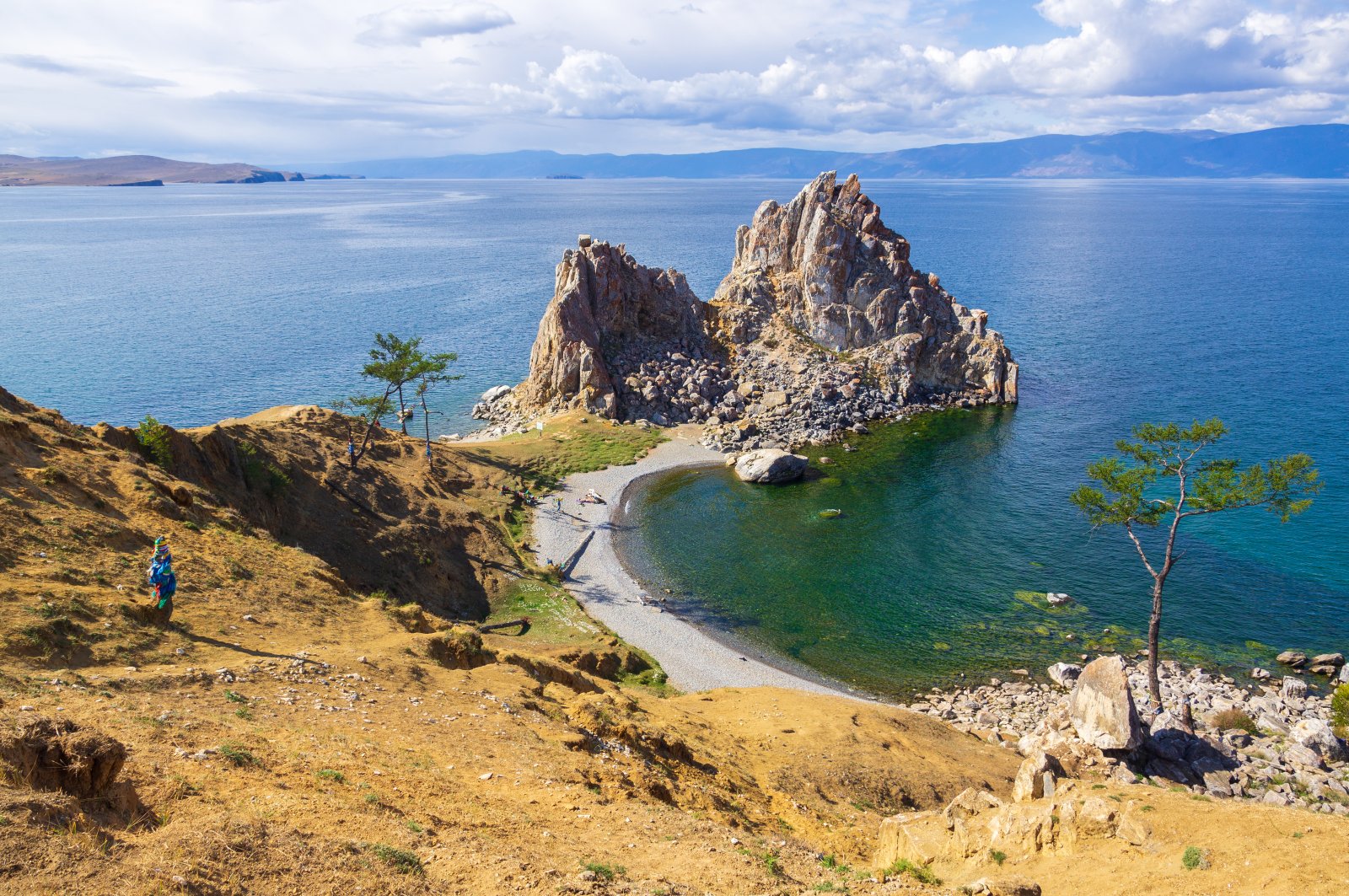
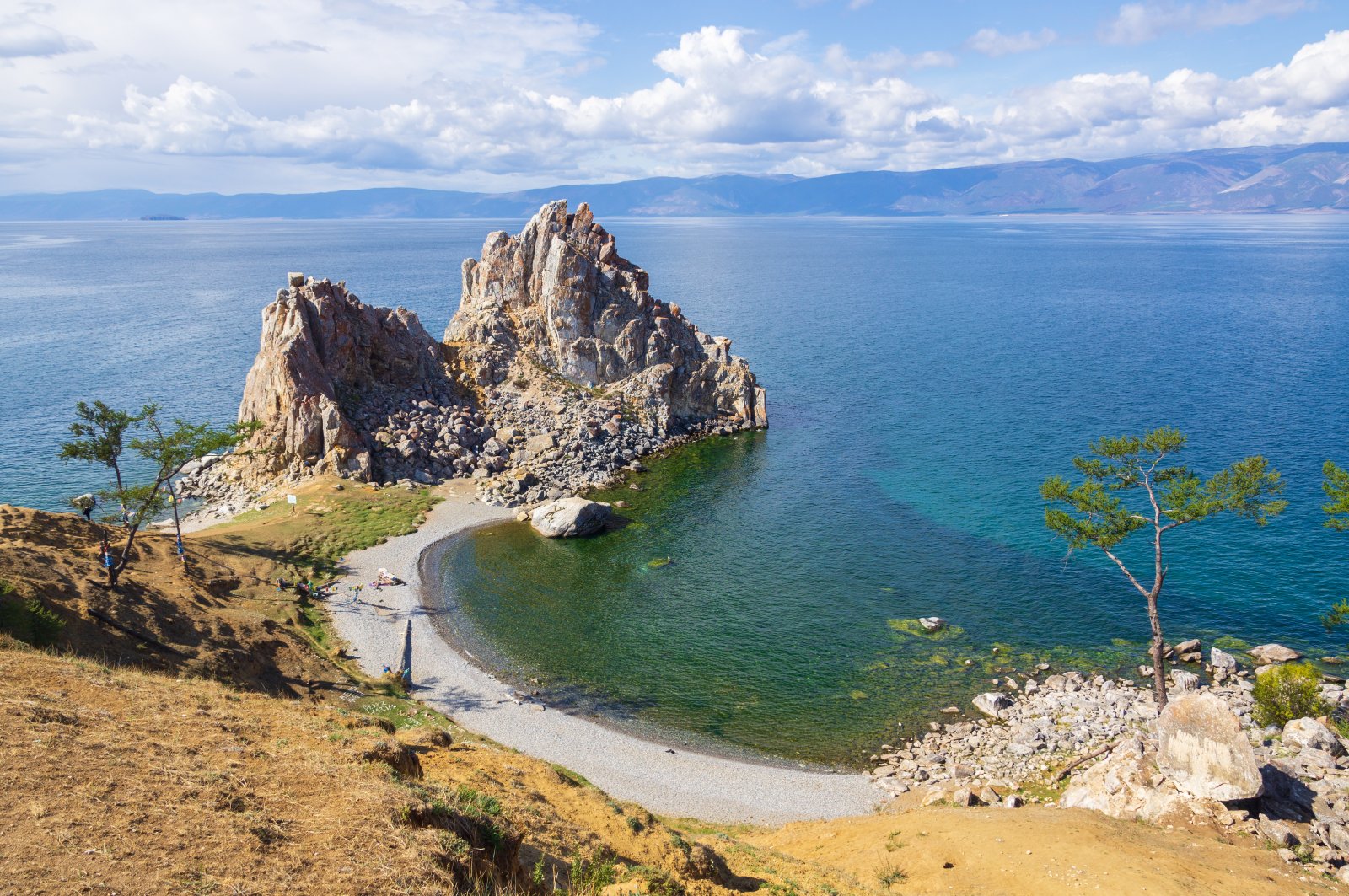
One of the lake's most enchanting secrets is its endemic Baikal seal, or nerpa, the only freshwater seal species in the world. Another hidden gem is the Shaman Rock on Olkhon Island, a site of spiritual importance and a subject of many local legends. In winter, Baikal transforms into a surreal landscape of transparent ice, where you can see several meters below to the lake bed, dotted with air bubbles and frozen fish.
### Practical Visitor Information
The best time to visit Lake Baikal depends on your interests. Summer (June to August) is perfect for hiking and boat tours, while winter (February to March) offers a magical frozen landscape ideal for ice skating and dog sledding. Be sure to pack layers, as Siberia's weather can be unpredictable. To truly experience Baikal, consider staying in a local guesthouse or "homestay" to immerse yourself in the culture and hospitality of the region.
For those planning a journey to this awe-inspiring destination, let Secret World app craft your unique itinerary to explore Lake Baikal's timeless beauty.
