



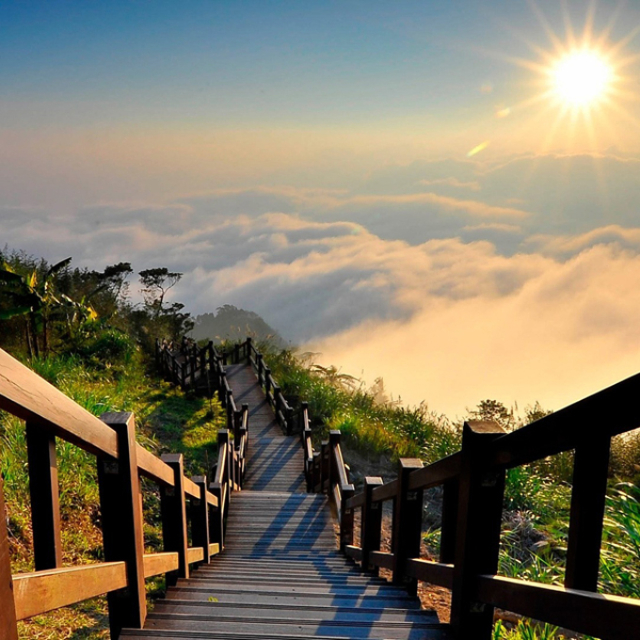
Rising majestically in the heart of Taiwan, Yushan National Park boasts an unparalleled blend of natural beauty and cultural significance. At its core stands Mount Yu, or Jade Mountain, the crown jewel of the park and the highest peak in Taiwan, reaching an impressive altitude of 3,952 meters. This awe-inspiring mountain is not only the highest mountain in Taiwan but also holds the distinction of being the fourth highest peak on an island globally.

The history of Yushan National Park is deeply entwined with Taiwan's geological and cultural evolution. Established in 1985, the park covers an expansive area of over 105,490 hectares and encompasses a variety of ecological zones, from sub-tropical to alpine climates. However, the roots of Yushan's significance stretch back much further. The Indigenous Taiwanese people, notably the Bunun and Tsou tribes, have long considered the mountain sacred. Their ancient tales and oral histories often speak of Yushan as a place of spiritual resonance and natural splendor.
Architecturally, Yushan National Park may not boast man-made structures of grandeur, but it offers a breathtaking canvas painted by nature itself. The park's landscape is its masterpiece, featuring dramatic ridges, deep valleys, and diverse habitats that house over 2,000 species of plants, along with a multitude of bird and mammal species. This natural architecture is complemented by the occasional mountain lodge, such as the Paiyun Lodge, which serves as a rustic yet essential sanctuary for climbers attempting the ascent to Jade Mountain's peak.

The local culture around Yushan is rich with traditions that reflect the harmonious relationship between the people and their environment. The Bunun people, in particular, are known for their unique polyphonic singing, a tradition that echoes the harmonious melodies of the natural world. Festivals like the Bunun Mayasvi, a hunting and thanksgiving ceremony, are deeply rooted in the communal and spiritual life of the tribes, celebrating the cycles of nature and the bounty it provides.
Gastronomy in the region offers a taste of the land's bounty, with indigenous influences shining through. Visitors can savor local delicacies such as bamboo tube rice (竹筒飯), a fragrant dish cooked with sticky rice and wild herbs, traditionally prepared by the Indigenous tribes. Another culinary highlight is wild boar, often marinated in indigenous spices and grilled to perfection, offering a taste that is both rustic and deeply connected to the land.
For those seeking hidden gems within Yushan National Park, there are myriad lesser-known curiosities to uncover. One such curiosity is the Yushan Salamander, an endemic species found nowhere else on Earth. This elusive creature exemplifies the unique biodiversity that thrives within the park's protected boundaries. Additionally, the Batongguan Ancient Trail, which dates back to the Qing Dynasty, offers a historical journey through lush forests and steep ridges, echoing the footsteps of early settlers and traders.
Practical visitor information is crucial for an enriching experience at Yushan National Park. The best time to visit is from October to mid-December when the weather is typically clear, providing unobstructed views of the magnificent landscapes. Visitors are encouraged to plan their climb well in advance, as permits are required to ascend Mount Yu, and accommodations like the Paiyun Lodge need to be booked months ahead. Preparing for varied weather conditions is essential, as temperatures can fluctuate dramatically, especially at higher altitudes.
As you explore Yushan National Park, keep an eye out for the small yet vibrant Yushan Rhododendron that blooms in the alpine regions, adding a splash of color to the rugged terrain. Whether you're hiking through mist-shrouded trails, engaging with local culture, or simply absorbing the serene beauty of Jade Mountain, Yushan offers an experience that transcends the ordinary and invites you to connect deeply with the rhythms of nature and history.
