
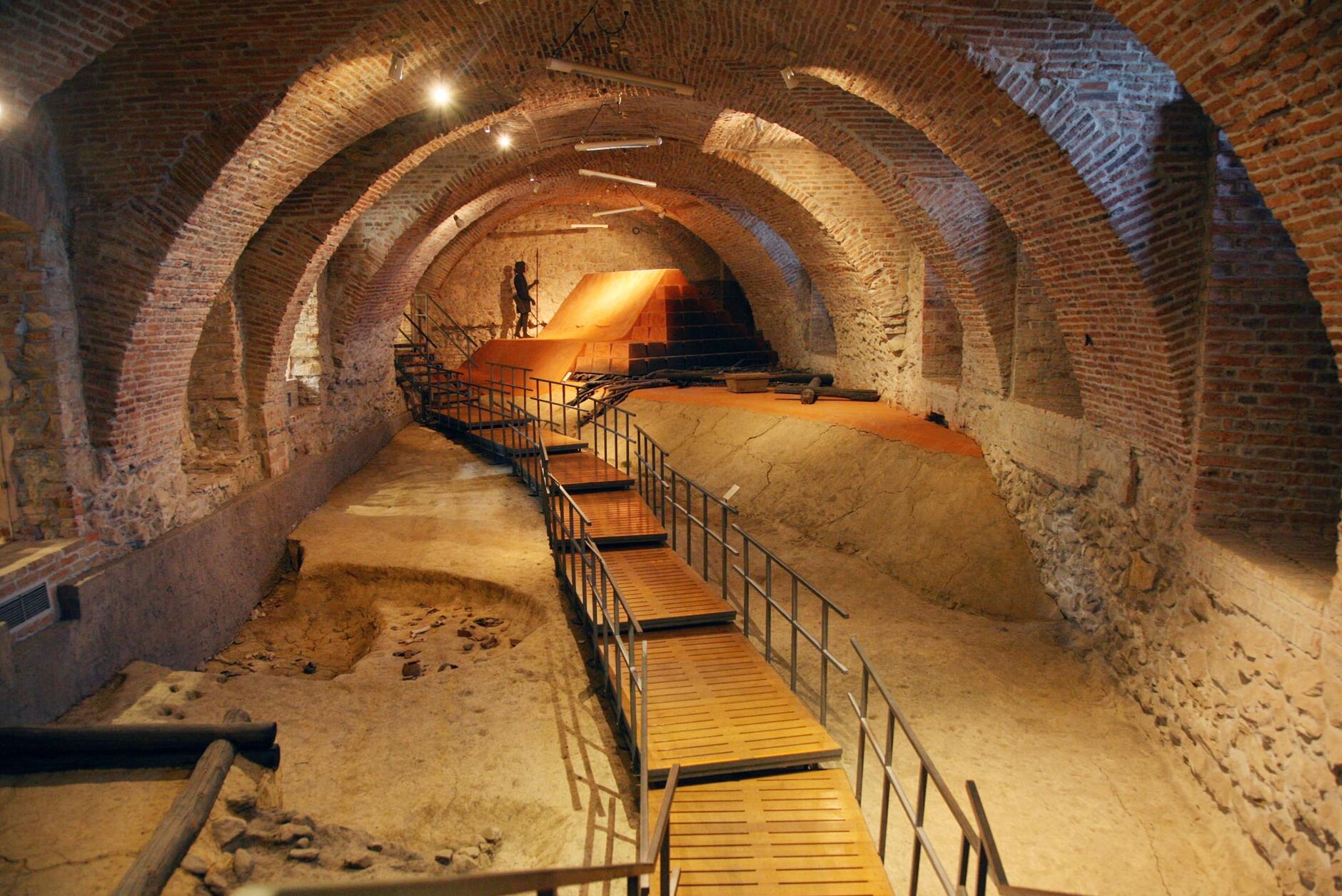

Nestled in the heart of Zagreb, the Zagreb City Museum offers a captivating glimpse into the city’s rich tapestry of history and culture. From its ancient origins to its contemporary vibrancy, this museum stands as a testament to the enduring spirit of the Croatian capital. Housed in a former Convent of the Poor Clares, the building itself is a historical monument, adding layers of significance to the artifacts within.
The museum’s collection spans over centuries, showcasing the evolution of Zagreb through 45 distinct themes. Visitors can embark on a journey that begins with a prehistoric settlement dating back to the 7th century BC, reflecting the ancient roots of the area. Significant periods, such as the Hallstatt culture of the Early Iron Age and the La Tène culture of the Late Iron Age, are represented through meticulously preserved artifacts. The archaeological map provided within the museum guides visitors to important historical sites scattered throughout the city, allowing for a deeper understanding of Zagreb’s archaeological significance.
The museum also delves into pivotal moments that shaped the city. The clashes between Kaptol and Gradec during medieval times illustrate the political dynamics of the era, while the Ottoman threat in the 15th century highlights the challenges faced by Zagreb's inhabitants. The 19th-century Croatian national revival is represented, alongside somber reflections on the World War II era and the subsequent socialist period. As visitors explore these themes, they gain insight into the resilience of Zagreb’s citizens through changing political landscapes.
Architecturally, the museum is a marvel in itself. The Baroque style of the convent is complemented by contemporary exhibition spaces that allow the artifacts to shine. Notable artworks, including pieces that reflect Zagreb's artistic lineage, can be found throughout the museum. The careful curation enhances the experience, making the museum not just a place of learning but also one of inspiration.
Local culture and traditions are integral to the Zagreb experience, and the museum captures this essence beautifully. Throughout the year, various festivals and cultural events take place in Zagreb, many of which are showcased within the museum’s exhibitions. The Advent in Zagreb, recognized by European Best Destinations as one of the best Christmas markets in Europe, fills the city with lights, music, and culinary delights each winter. Traditional customs, such as Kolenda, a Christmas caroling tradition, and the celebration of Midsummer Night, reflect the vibrant spirit of the local population.
Gastronomy is another essential aspect of Zagreb’s cultural identity. The city is renowned for its diverse culinary offerings, from hearty stews like goulash to sweet pastries such as štrukli, a baked or boiled dough filled with cheese. Visiting the museum provides an opportunity to learn about these local delicacies, as the exhibitions often include references to historical recipes or the evolution of food culture in Zagreb. Don’t miss tasting a glass of Babić, a local red wine, or a cup of Croatian coffee, which is deeply ingrained in the daily life of Zagreb’s residents.
As with any destination, there are lesser-known curiosities that enrich the visit to the Zagreb City Museum. One intriguing detail is the exhibit dedicated to the impact of Zagreb’s famous funicular railway, which, since its opening in 1890, has become a symbol of the city’s unique blend of urban and natural landscapes. Furthermore, the museum often features live historical performances that transport visitors back in time, bringing the stories of Zagreb’s past to life in a way that textbooks cannot.
For those planning to visit, the best time to explore the Zagreb City Museum is during the spring and fall months, when the weather is mild and conducive to walking tours around the city. It’s advisable to check the museum’s calendar for any special exhibitions or events, which can enrich your experience. When you arrive, take your time to enjoy each theme and engage with the interactive displays, as they provide a more immersive understanding of Zagreb’s multifaceted identity.
In the end, the Zagreb City Museum is not just a repository of artifacts; it’s a living narrative of the city’s evolution, inviting visitors to walk through the corridors of time and witness the stories that have shaped Zagreb. To make the most of your visit, consider using the Secret World app to craft a personalized itinerary that unveils the hidden gems of Zagreb.


