 Top of the World



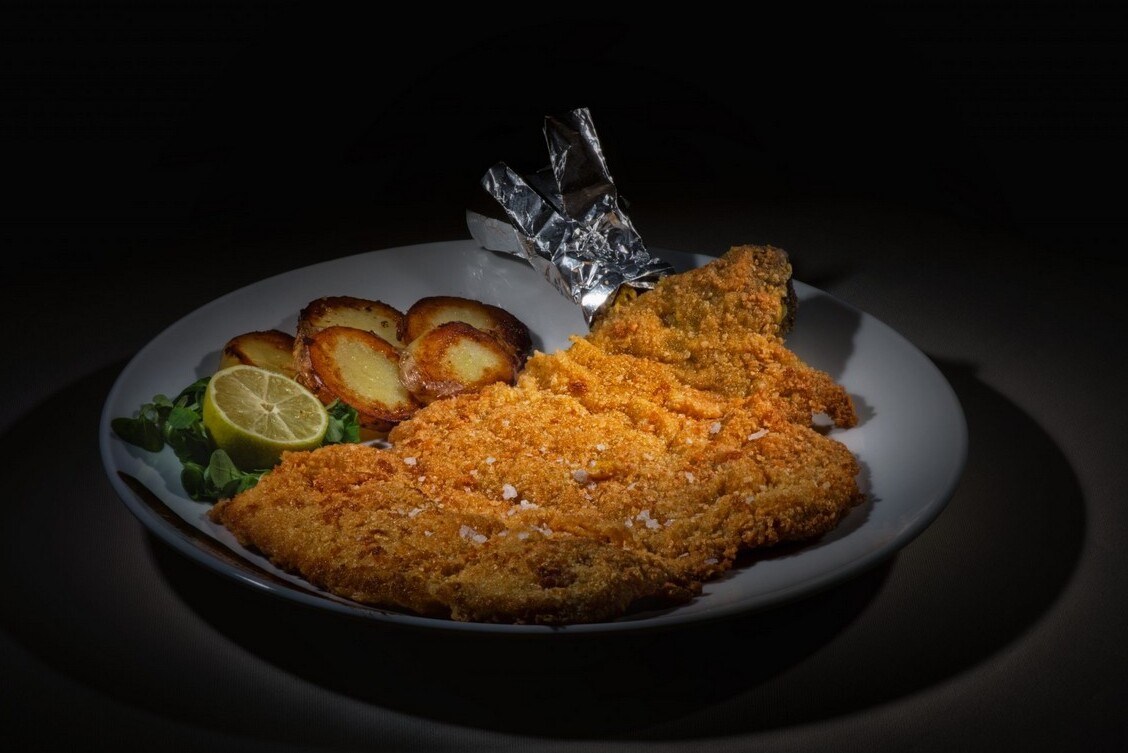
Nestled in the heart of Milan, the cotoletta alla milanese is as emblematic of the city as its grand cathedral or bustling fashion district. This iconic breaded veal cutlet is more than just a dish—it's a culinary tradition steeped in history, reflecting the rich tapestry of Milanese culture and its sophisticated palate.
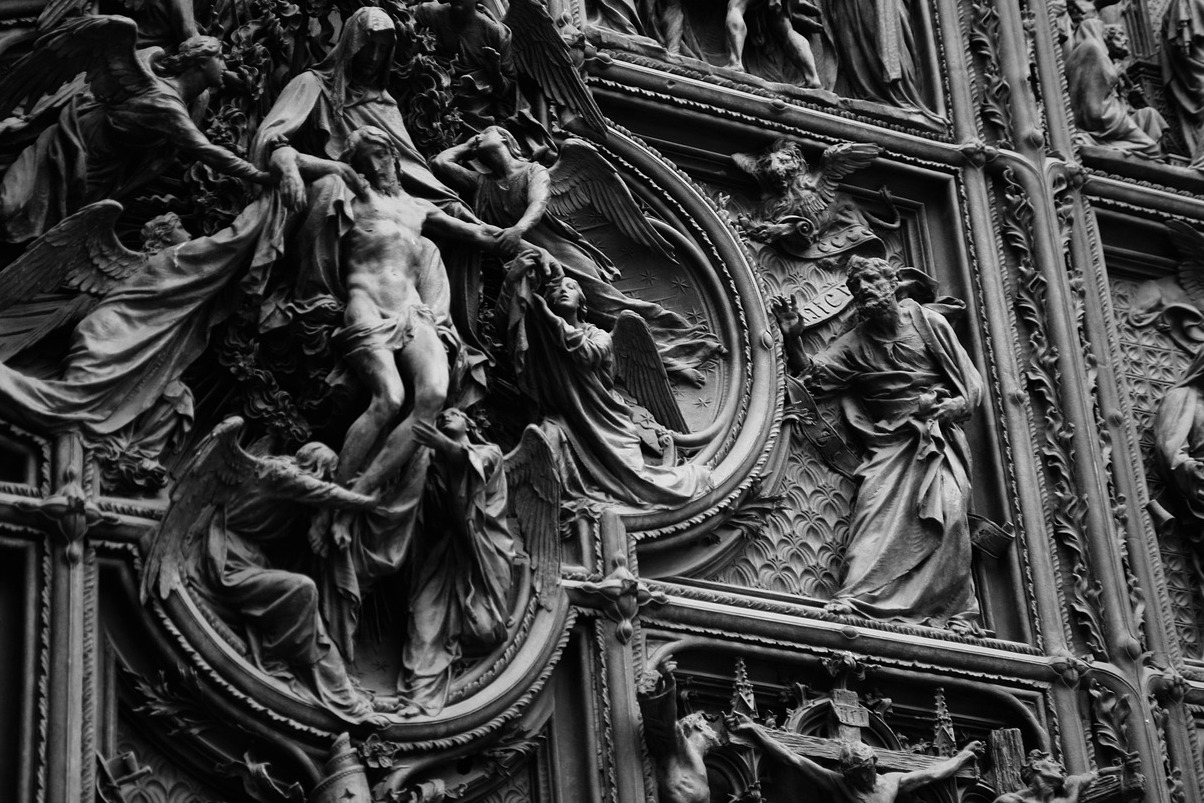
The origins of the cotoletta alla milanese can be traced back to the medieval period, specifically to a banquet held in 1134 at the Basilica of Sant’Ambrogio, where the dish was served to the clergy. While some culinary historians debate the exact provenance, suggesting similarities to the Austrian Wiener Schnitzel introduced during the Habsburg rule, Milanese pride maintains that their cotoletta predates these influences. This dish has been a staple in the local cuisine for centuries, retaining its status as a beloved representation of Milanese culinary heritage.
Milan, renowned for its bustling metropolis vibe, is a city where history and modernity coexist harmoniously. The Duomo di Milano, with its Gothic spires reaching towards the sky, stands as a testament to the city's architectural grandeur. Not far from this awe-inspiring cathedral lies the Santa Maria delle Grazie, home to Leonardo da Vinci's masterpiece, The Last Supper. This artistic legacy is mirrored in Milan's culinary arts, where precision and elegance are at the forefront. The preparation of a perfect cotoletta alla milanese requires similar artistry: the veal should be tenderized to the right thickness, breaded with care, and fried to a golden perfection.
Cultural traditions in Milan are as vibrant as its architecture. The city is the epicenter of Italy's fashion industry, hosting the prestigious Milan Fashion Week twice a year, drawing designers and fashion enthusiasts from around the world. Meanwhile, traditional festivals such as Sant’Ambrogio’s Day celebrate the city’s patron saint with events that highlight Milanese customs and community spirit. These celebrations often feature local dishes, with the cotoletta making frequent appearances at tables dressed for the occasion.
When it comes to gastronomy, Milan offers a bounty of flavors that go beyond the cotoletta. Traditional dishes like ossobuco, a braised veal shank, and risotto alla milanese, a saffron-infused rice dish, provide a glimpse into the city's rich culinary landscape. Pairing these with a glass of Franciacorta, a sparkling wine from the nearby Lombardy region, complements the meal with a touch of local sophistication.
While visitors flock to the obvious attractions, Milan holds lesser-known curiosities that add depth to its urban narrative. Few know of the Navigli district's intricate canals, originally designed by Leonardo da Vinci, which offer a picturesque setting for evening strolls. Similarly, the Cimitero Monumentale, a cemetery filled with elaborate sculptures and tombs, is a hidden gem that showcases the city’s artistic legacy.
For those planning a visit, the best time to experience Milan is during spring (April to June) and autumn (September to October) when the weather is mild, and the city is alive with activities. To truly appreciate the cotoletta alla milanese, seek out traditional trattorias like Trattoria Milanese or Antica Trattoria della Pesa where the dish is prepared with time-honored techniques. Look for the perfect golden crust, a hallmark of authentic preparation.
In exploring Milan, one discovers that the city is much like its famed cotoletta—layered, rich, and deeply satisfying. Whether through its historic architecture, vibrant culture, or sumptuous cuisine, Milan offers a feast for the senses, leaving visitors eager for a second helping.
