
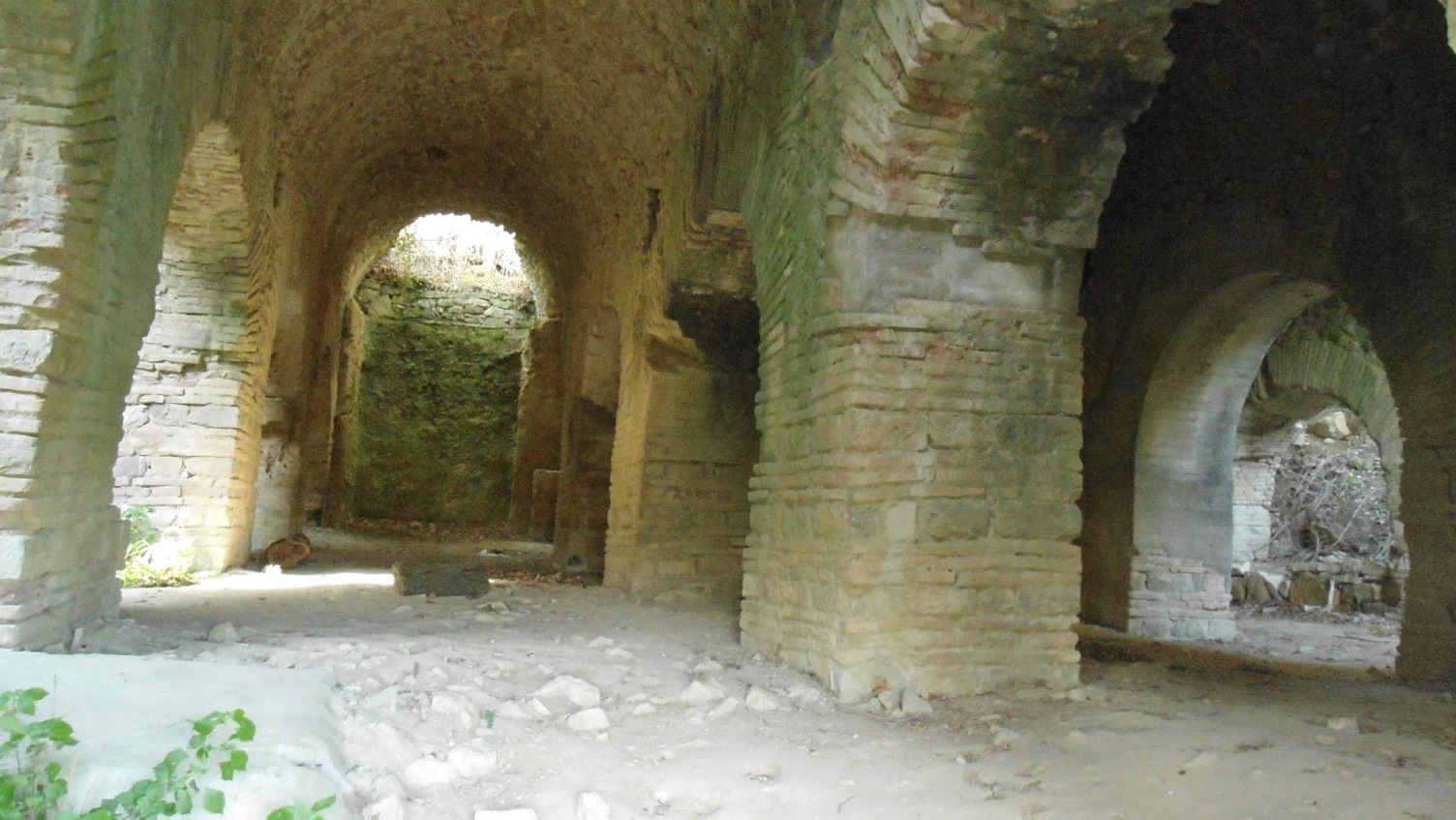

Nestled in the rolling hills of Poggio Murella, Italy, lies a hidden gem of ancient engineering—the Castellum Aquarum. This grandiose structure, unparalleled in its design, stands as a testament to Roman ingenuity and the vital role of water in ancient societies. The Castellum Aquarum, a massive cistern, boasts a unique rectangular shape with an interior divided into ten naves adorned with barrel vaults. Externally, it is enveloped in opus reticulatum, a distinctive Roman construction technique featuring two-colored dowels, adding both strength and aesthetic appeal.
The origins of the Castellum Aquarum date back to the Roman era, around the 1st century BCE. During this time, the Romans were renowned for their advanced water management systems, and Poggio Murella's cistern was no exception. It served a crucial purpose—collecting and storing water to supply the nearby settlements and thermal baths of Saturnia, a popular destination for its healing waters even in antiquity. The structure's design reflects the Romans' profound understanding of hydraulics and their ability to adapt architecture to the landscape's natural contours.
Architecturally, the Castellum Aquarum is a marvel of Roman engineering. The use of opus reticulatum not only provided structural integrity but also created an impressive visual pattern. The ten naves, with their soaring barrel vaults, create a sense of grandeur and symmetry. This architectural style is a testament to the Romans' ability to blend functionality with artistry, a hallmark of their constructions. While the interior remains stark and functional, the external facade captures the eye with its alternating hues and meticulous craftsmanship.
Poggio Murella, though small, is steeped in local culture and traditions that are deeply intertwined with the region's history. The community celebrates various festivals, such as the Festa di San Giovanni, which honors the patron saint with processions, music, and communal feasting. These events offer a glimpse into the harmonious blend of ancient customs and contemporary life, a characteristic feature of many Italian villages.
The gastronomy of Poggio Murella is a delightful journey through traditional Tuscan flavors. Visitors can savor pici, thick hand-rolled pasta often served with a rich ragù or a simple garlic and tomato sauce. Another must-try is acquacotta, a comforting Tuscan soup made with seasonal vegetables, often topped with a poached egg and a drizzle of local olive oil. Pair these dishes with the robust wines of the Maremma region, whose vineyards benefit from the fertile volcanic soils.
While the Castellum Aquarum is a focal point of interest, there are lesser-known curiosities that enrich the visitor's experience. One such detail is the whispering gallery effect found within the cistern. Stand at one end, and a whisper can be heard clearly on the opposite side, showcasing the acoustic properties of the structure. Additionally, the site is said to have inspired local legends about the Roman gods and their affinity for water, adding a mystical layer to its history.
For those planning a visit, the best time to explore Poggio Murella and its surroundings is during the spring or early autumn. These seasons offer mild weather and fewer tourists, allowing for a more intimate exploration. Wear comfortable shoes for navigating the uneven terrain around the cistern, and bring a flashlight to fully appreciate the interior's architectural details. While there, take the time to explore the nearby thermal springs of Saturnia, where the ancient and modern worlds intertwine in a soothing embrace.
In the heart of Italy, the Castellum Aquarum in Poggio Murella stands not only as a relic of the past but as a living testament to the enduring legacy of Roman innovation. Its grandeur and the stories etched into its stones invite travelers to step back in time and experience the cultural richness that defines this enchanting corner of Tuscany.


