
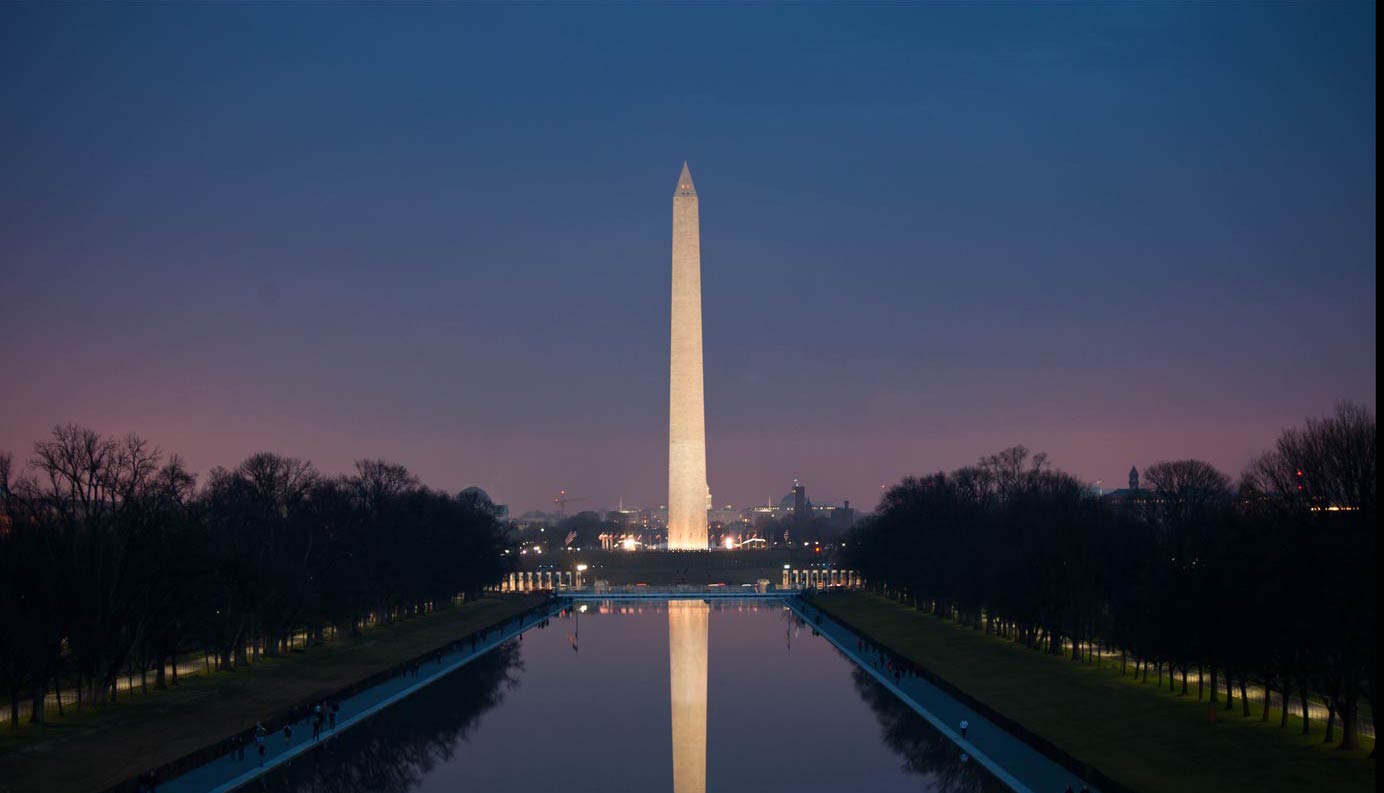

Standing atop the steps of the Lincoln Memorial, one is treated to a panoramic vista that is as steeped in history as it is in beauty. The view stretches across the Reflecting Pool towards the Washington Monument and beyond to the U.S. Capitol, encapsulating the essence of American history and democracy. This vantage point, at the coordinates 38.8882802, -77.0500044, is not just a feast for the eyes but a journey through time.
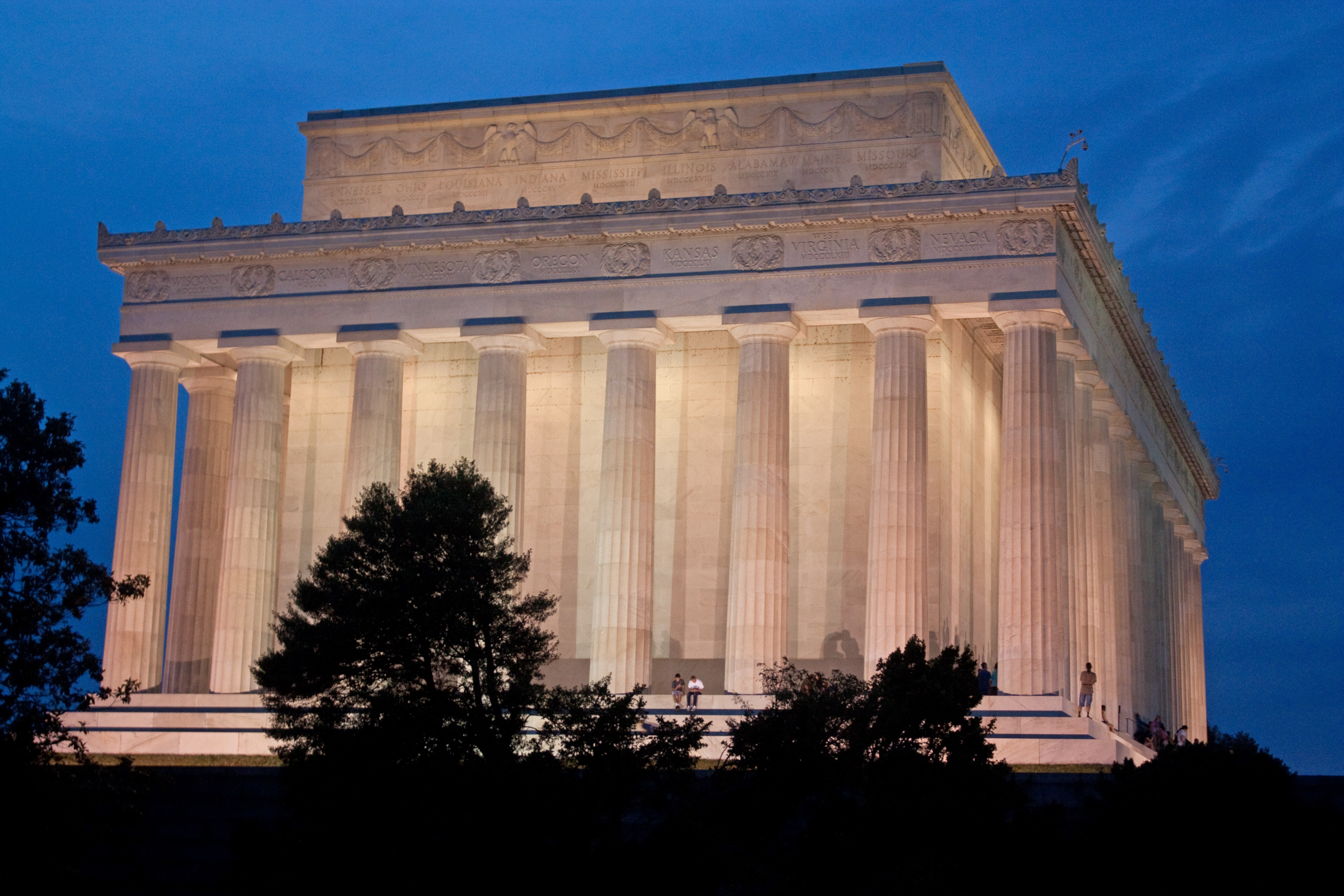
The Lincoln Memorial itself is a tribute to Abraham Lincoln, the 16th President of the United States, who led the nation through its Civil War and worked to end slavery. Completed in 1922, the memorial was designed by architect Henry Bacon in the style of a Greek Doric temple, symbolizing the timeless ideals of freedom and justice. The 36 columns represent the states in the Union at the time of Lincoln’s death, and within its walls lies the colossal seated sculpture of Lincoln by Daniel Chester French, a figure of solemn contemplation and resolve.
Beyond its architecture, the memorial is also a canvas of art and symbolism. Jules Guerin's murals on the inner walls depict themes of emancipation and unity, adding layers of artistic significance to the monument. These artworks, along with the inscriptions of Lincoln’s Gettysburg Address and his Second Inaugural Address, imbue the space with a profound sense of history and purpose.
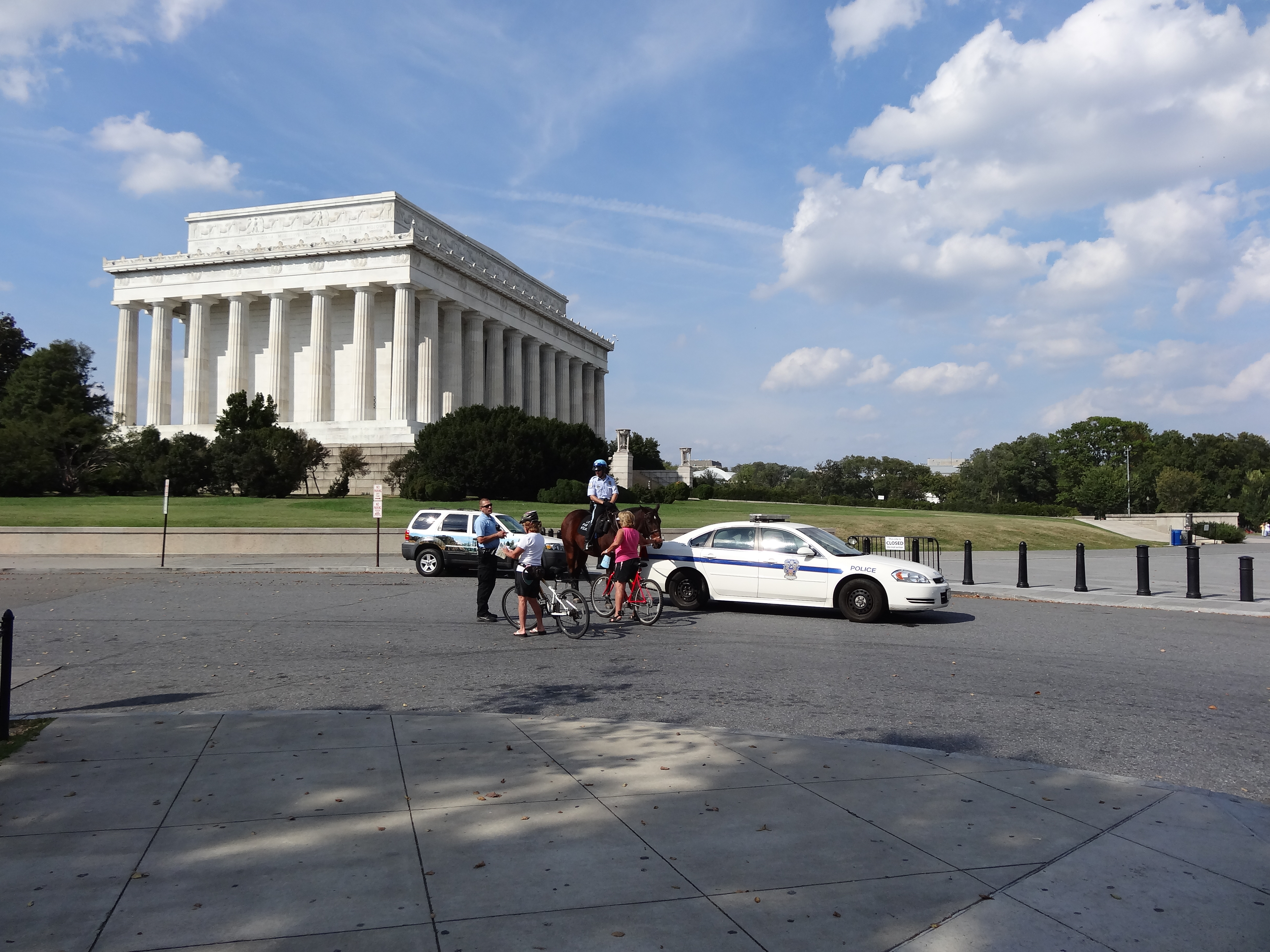
Culturally, the Lincoln Memorial has been a backdrop to numerous pivotal events in American history. It was here that Dr. Martin Luther King Jr. delivered his iconic "I Have a Dream" speech during the 1963 March on Washington for Jobs and Freedom. This event is commemorated by a subtle inscription on the steps, often missed by hurried visitors. Throughout the year, the site serves as a gathering place for both celebrations and protests, reflecting its ongoing role in the nation’s democratic dialogue.
When it comes to gastronomy, Washington, D.C. offers a melting pot of flavors reflective of its diverse population. While there might not be specific foods linked directly to the Lincoln Memorial, nearby establishments offer a taste of the city’s culinary scene. From half-smokes, a local sausage specialty, to the ever-popular Maryland blue crabs, there’s no shortage of local fare to indulge in after a day of exploration. Don’t miss the chance to try a classic D.C. dish like the mambo sauce-topped chicken wings—a cultural staple with a tangy kick.
For those seeking lesser-known curiosities, the Lincoln Memorial holds a few surprises. Beneath the monument lies a cavernous undercroft, a hidden world of stalactites and graffiti left by construction workers. Though not open to the public, this area adds a layer of mystery to the otherwise stately memorial. Furthermore, the surrounding National Mall is home to several lesser-known statues and memorials, such as the John Paul Jones Memorial, dedicated to the Revolutionary War naval hero, adding depth to a visit.
Practical advice can enhance any visit to the Lincoln Memorial. Early mornings or late afternoons offer the best experiences, with softer light casting long shadows and fewer crowds allowing for quiet reflection. The memorial is open 24/7, but visiting at off-peak times ensures a more serene encounter. As you ascend the steps, pause to absorb the scale and significance of the setting, and make sure to catch the interplay of light on the Reflecting Pool—especially during sunrise or sunset, when the sky transforms into a canvas of colors.
In conclusion, the view from the Lincoln Memorial is more than just a scenic overlook; it is a gateway to understanding the American spirit. Each element from the architecture to the surrounding landscape tells a story of struggle, triumph, and hope. As you stand there, enveloped in the legacy of those who have come before, you become part of the ongoing narrative that defines the heart of the nation.


