
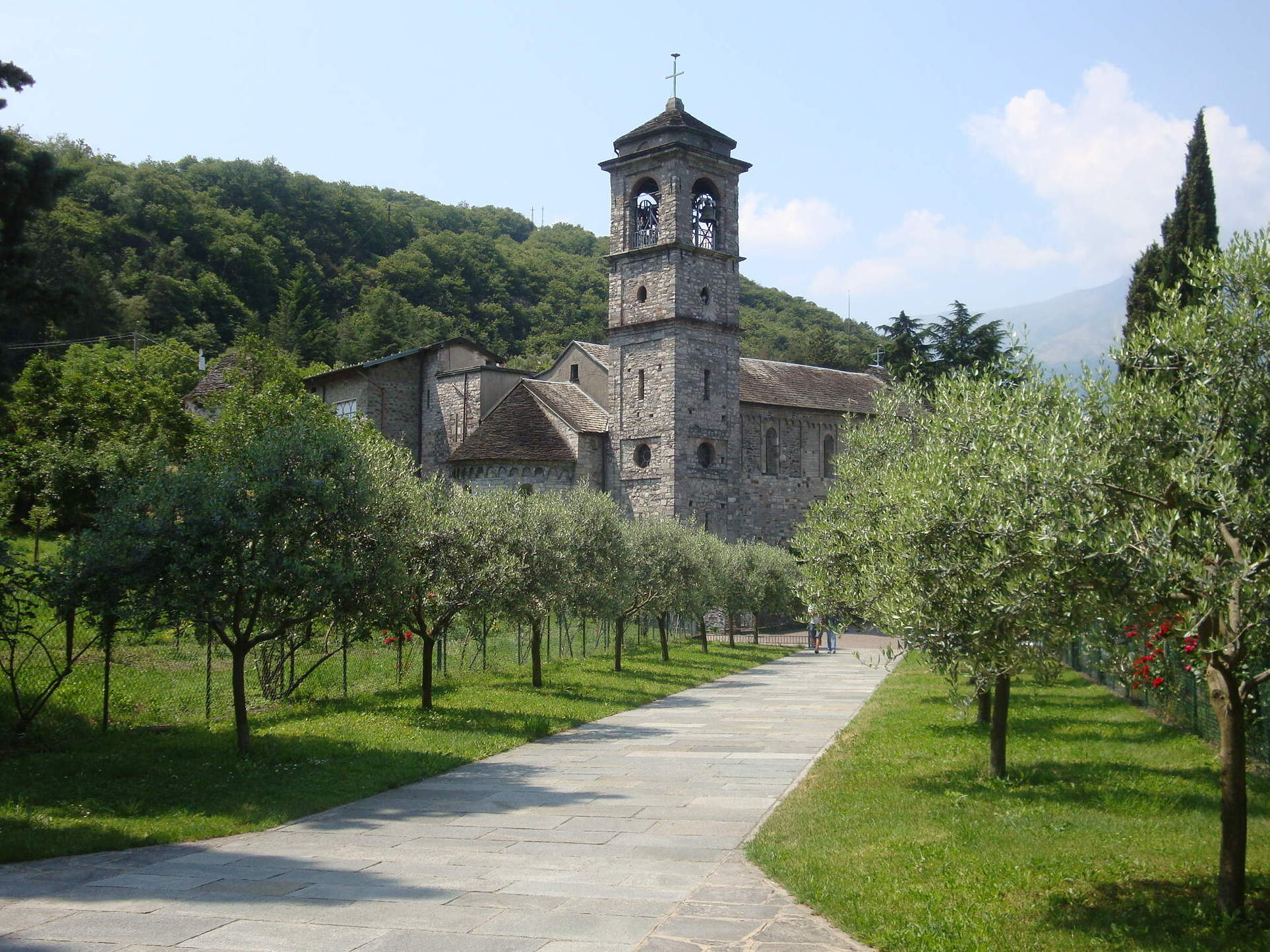

Nestled on the serene Lecco shore of Lake Como, the Abbey of Piona is a testament to centuries of devotion, artistry, and the tranquil beauty of its surroundings. This enchanting site, located in the municipality of Colico, offers visitors a unique blend of history, spirituality, and breathtaking landscapes, making it a hidden gem in the Italian countryside.
The origins of the Abbey of Piona trace back to the Middle Ages, specifically around the year 1100. This period marked the establishment of a primitive church dedicated to Santa Giustina. As the years unfolded, the site evolved into a prominent Cistercian priory, affiliated with the influential Cluniac reform movement. This connection to Cluny, a significant monastic center in France, shaped its development, fostering a spirit of reform and architectural innovation that would resonate throughout the abbey's history.
In its heyday, Piona was not just a religious site; it became a beacon of spiritual life and scholarly pursuit. The abbey flourished until the Napoleonic Wars in the early 19th century, which led to significant disruptions and the eventual dissolution of many monastic communities in Italy. However, the Cistercian monks returned to Piona in 1946, rejuvenating the abbey and continuing its legacy of prayer and hospitality.
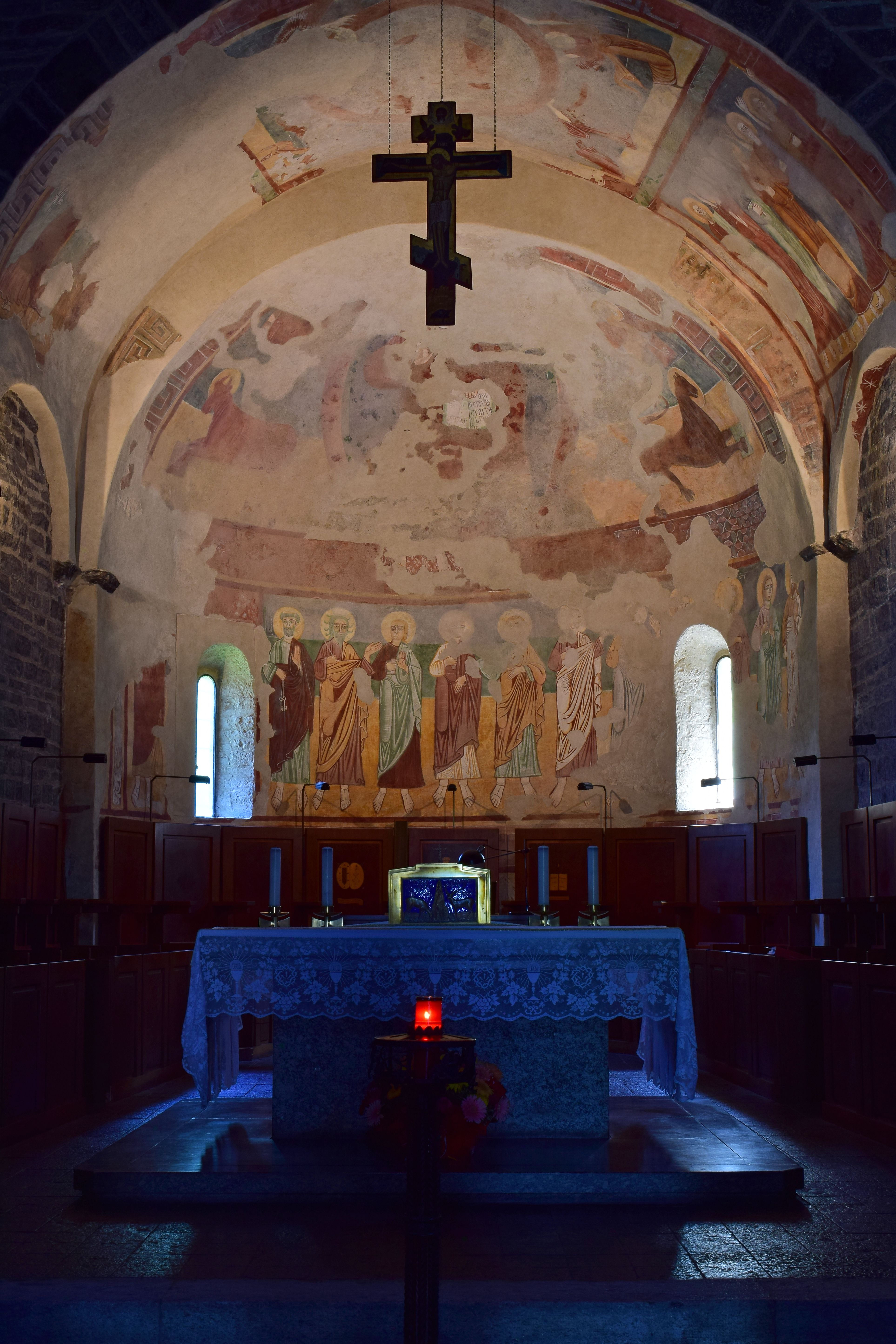
Architecturally, the Abbey of Piona is a stunning example of Lombard Romanesque style, infused with transalpine influences. The façade, adorned with intricate stone carvings, hints at the French Gothic style, likely inspired by Cluny. Inside, visitors will find the abbey church, which remains the core of the complex. The church's simplicity is accentuated by the delicate beauty of its frescoes, notably depicting the seasons and agricultural activities of the past—an homage to the monks’ connection with the land.
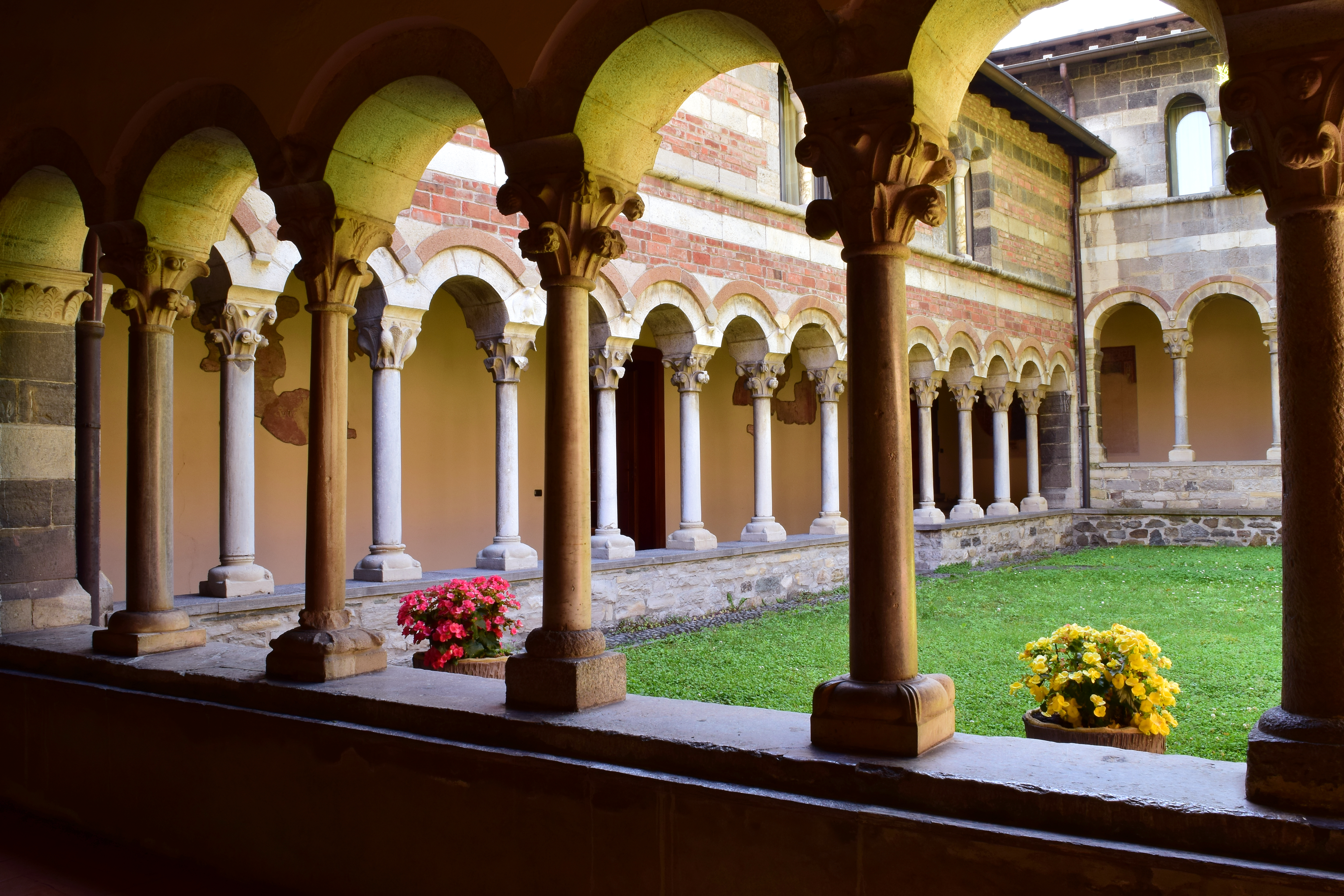
One of the highlights of the abbey is its cloister, a tranquil space that invites contemplation. Here, the verdant garden is bordered by elegant arches, creating a serene environment where time seems to stand still. The frescoes within the cloister not only serve an aesthetic purpose but also narrate the passage of time and the cyclical nature of life, reflective of the monastic commitment to simplicity and harmony with nature.
Local culture around the Abbey of Piona is deeply intertwined with its monastic traditions. The community celebrates various festivals throughout the year, with the most notable being the Feast of Santa Giustina, honoring the abbey's patron saint. During this time, the local populace joins the monks in prayer, music, and traditional festivities, reinforcing a sense of belonging and shared heritage.
The culinary offerings in the area reflect the rich agricultural traditions of the region. Visitors to Piona can indulge in local specialties such as ‘bitto’ cheese, a semi-hard cheese made from cow's milk, which pairs beautifully with the region’s wines. The Casoncelli, a type of stuffed pasta, is another must-try dish, often served with a sauce of butter, sage, and grated cheese. For those with a sweet tooth, the torta di Piona, a cake made with local ingredients, is a delightful treat that showcases the flavors of the region.
Beyond its historical and culinary allure, the Abbey of Piona holds lesser-known curiosities that intrigue visitors. For instance, many are unaware that the abbey has its own herb garden, where monks cultivate various herbs for their daily use and for medicinal purposes. The garden is a living testament to the monastic principle of self-sufficiency and the importance of nature in monastic life. Additionally, the abbey is often seen as a place of pilgrimage for those seeking solace and reflection, drawing visitors not only for its architectural beauty but also for its profound spiritual ambiance.
For those planning a visit, the best time to experience the Abbey of Piona is during the spring and early autumn months when the gardens are in full bloom, and the surrounding landscapes are at their most picturesque. The abbey is accessible throughout the year, but visiting during the aforementioned months offers the added delight of seasonal festivals and a vibrant atmosphere. Be sure to explore the surrounding Olgiasca Peninsula, which provides stunning views of Lake Como and the nearby mountains.
As you wander through the cloister and savor the tranquility of the abbey, take a moment to appreciate the profound history and culture that envelop this serene site. The Abbey of Piona is not just a destination; it is an experience that resonates with the spirit of Italy's rich heritage.
To enhance your journey, consider using the Secret World app to create a personalized AI itinerary for your visit to Piona.


