
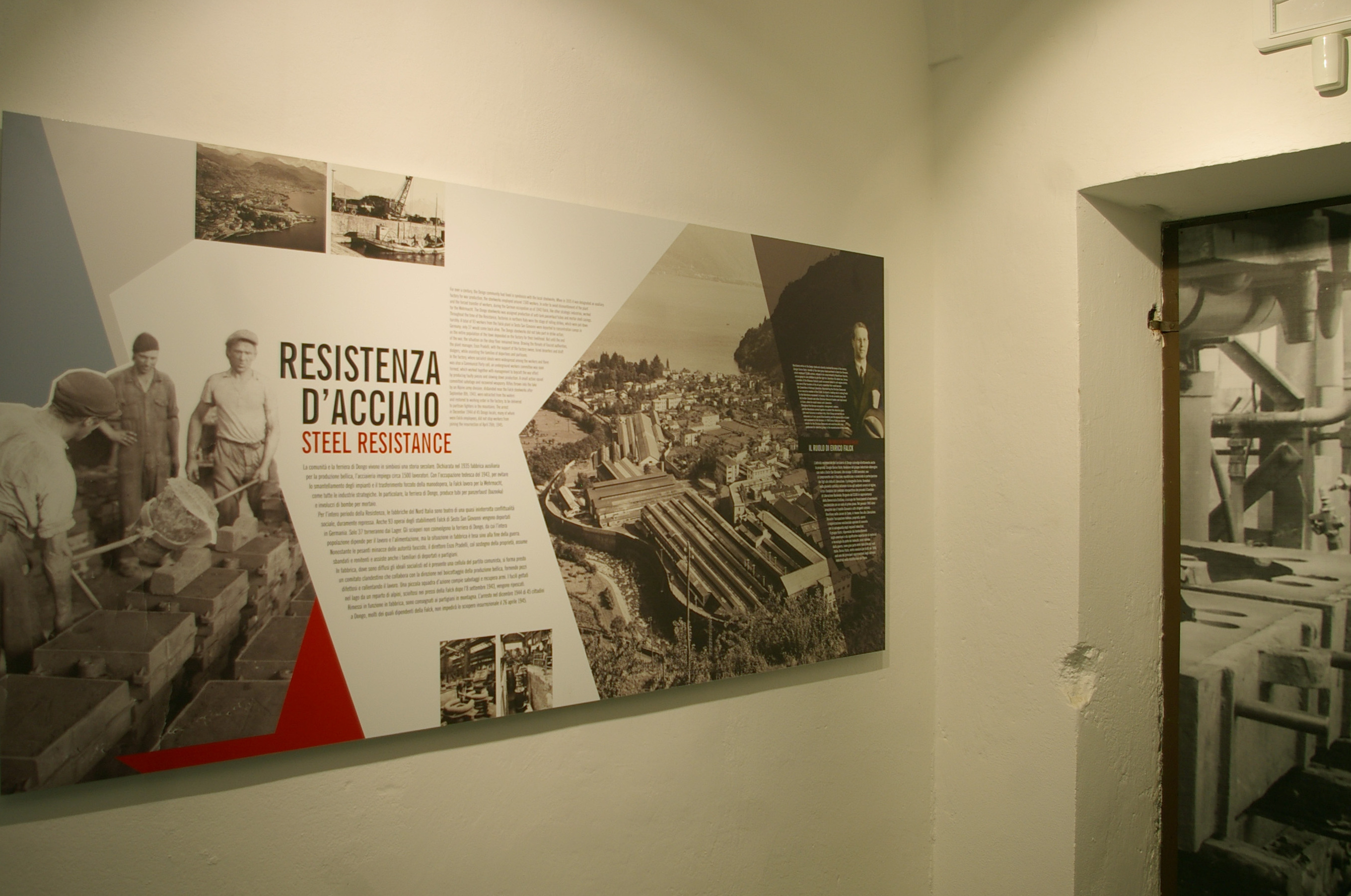

Nestled along the shimmering shores of Lake Como, the quaint town of Dongo bears a profound historical significance, especially within the context of Italy's tumultuous 20th-century narrative. A visit to the Museum of the Comasca Resistance offers an intimate glimpse into the events that shaped the region during the Second World War. Although modest in size, this museum is a treasure trove of stories, photographs, and documents that echo the courageous efforts of the Italian resistance.
In the shadow of the Alps, Dongo's historical prominence is tied to its pivotal role during the final days of World War II. It was here, on April 27, 1945, that Italian partisans captured Benito Mussolini and other members of the fascist regime as they attempted to flee to Switzerland. The museum meticulously documents these crucial moments with a series of exhibits that include photocopies of original documents, providing visitors a tangible connection to the past. The focus on the Alto Lario area offers a localized perspective on the broader resistance movement, illustrating the bravery and resilience of the Como community.
Architecturally, the museum itself is housed in a building that mirrors the understated yet profound nature of its exhibits. While it doesn't boast grand facades or elaborate designs, the simplicity of its structure complements the gravity of its contents. The displays within are thoughtfully arranged, allowing each photograph and document to tell its story without distraction. Though the museum may not feature renowned artworks, its collection is invaluable for its historical and educational significance, offering a raw and authentic portrayal of the era.
Culturally, Dongo and its museum are deeply intertwined with the traditions and narratives of Northern Italy. The town is a bastion of local customs, with festivals and events that celebrate both its historical and cultural heritage. One such event is the Festa della Liberazione on April 25, which commemorates the liberation of Italy from fascist rule. This national holiday holds particular significance in Dongo, where the echoes of the past still resonate strongly among the inhabitants.
Visitors exploring Dongo will also find that the town is a gateway to the rich gastronomy of the Lombardy region. The local cuisine features hearty and flavorful dishes that reflect the area's agricultural bounty. A meal might include pizzoccheri, a type of buckwheat pasta typically served with potatoes, cabbage, and aged cheese, or polenta taragna, a rustic dish that combines polenta with local cheeses and butter. To accompany these meals, a glass of Valtellina wine, known for its robust flavor, is a must.
For those interested in lesser-known curiosities, Dongo offers more than meets the eye. One surprising detail is the presence of the Palazzo Manzi, where Mussolini and his entourage spent their final night before capture. This building, though not part of the museum, stands as a silent witness to history, its walls holding secrets of a bygone era. Additionally, the town's serene lakeside setting provides a stark contrast to its dramatic past, offering a peaceful backdrop for reflection and remembrance.
When planning a visit to the Museum of the Comasca Resistance, timing can enhance the experience. The best time to explore Dongo is during the spring or early autumn, when the weather is pleasant, and the landscape is at its most picturesque. It's advisable to allocate at least a couple of hours for the museum to fully absorb the depth of its exhibits. Keep an eye out for special guided tours or talks that may be available, providing additional context and stories from knowledgeable locals.
In conclusion, the Museum of the Comasca Resistance is more than just a repository of historical artifacts; it is a gateway into the soul of Dongo and its people. Through its carefully curated exhibits, visitors are invited to walk in the footsteps of those who fought bravely for freedom, gaining a deeper understanding of the resilience that defined this picturesque yet poignant corner of Italy.


