← Back

Abbey of Santa Maria di Staffarda

Piazza Roma, 2, 12036 Staffarda CN, Italia ★★★★☆ 174 views
Ryanna Mills
Staffarda
🏆 AI Trip Planner 2026

Get the free app

Discover the best of Staffarda with Secret World — the AI trip planner with 1M+ destinations. Get personalized itineraries, hidden gems and local tips. Free on iOS & Android.

🧠 AI Itineraries 🎒 Trip Toolkit 🎮 KnowWhere Game 🎧 Audio Guides 📹 Videos
Download on the App Store Get it on Google Play
Scan to download Scan to download

About Abbey of Santa Maria di Staffarda

Abbey of Santa Maria di Staffarda - Staffarda | Secret World Trip Planner

Among the great monuments of the Piedmontese Middle Ages is certainly the Abbey of Santa Maria di Staffarda di Revello, in the province of Cuneo. The building is located in a plain just 9 kilometres from Saluzzo, set in a beautiful landscape framed by a wide circle of mountains, surmounted by the imposing and majestic "King of Stone", Monviso. The complex preserves the Romanesque-Gothic style and the architectural simplicity typical of the Cistercian order. The cloister, partly surrounded by a coloured portico with small columns, represents the centre of the monastic life, with the chapter house, the refectory and the ancient wash-house. Outside, there is the guesthouse, where pilgrims were accommodated, the covered market, where commerce took place, and to the west, almost like a fence, a long series of buildings that make up the real agricultural part of Staffarda, for the most part still in activity with cattle breeding and cereal cultivation typical of the area. The Benedictine Cistercian Abbey was founded between 1122 and 1138 on some land that Marquis Manfredo I of Saluzzo had donated to the monks of the Cistercian Order at the beginning of the 12th century. The basilica-type church (dedicated to Santa Maria) has a nave and two aisles with three apses and is built in brick. The celebrity of the building is due above all to the grandiose harmony of the cloister, even if it suffered serious damage in the battle of 1690 (against the French of Catinat) with the disappearance of the portico of the southern arm and part of the eastern one. The chapter house is very beautiful, divided into nine bays by four central columns that support the cross vaults, with two graceful ogival three-light windows that open at the sides of the entrance. On the south side, there is the monks' refectory, a rectangular room divided longitudinally into three sections by columns; the environment has been modified over time, also because of the destruction of 1690 (on the wall towards the east, there are remains of a fresco depicting the Last Supper. Magnificent is the vast environment of the guest quarters, in the special building to the south of the convent, which has been preserved intact in its two naves, in the four mighty columns of stone ashlars. Almost in front of it there is the medieval building with arcades of the market, whose mass still today confirms the productive importance of Staffarda.

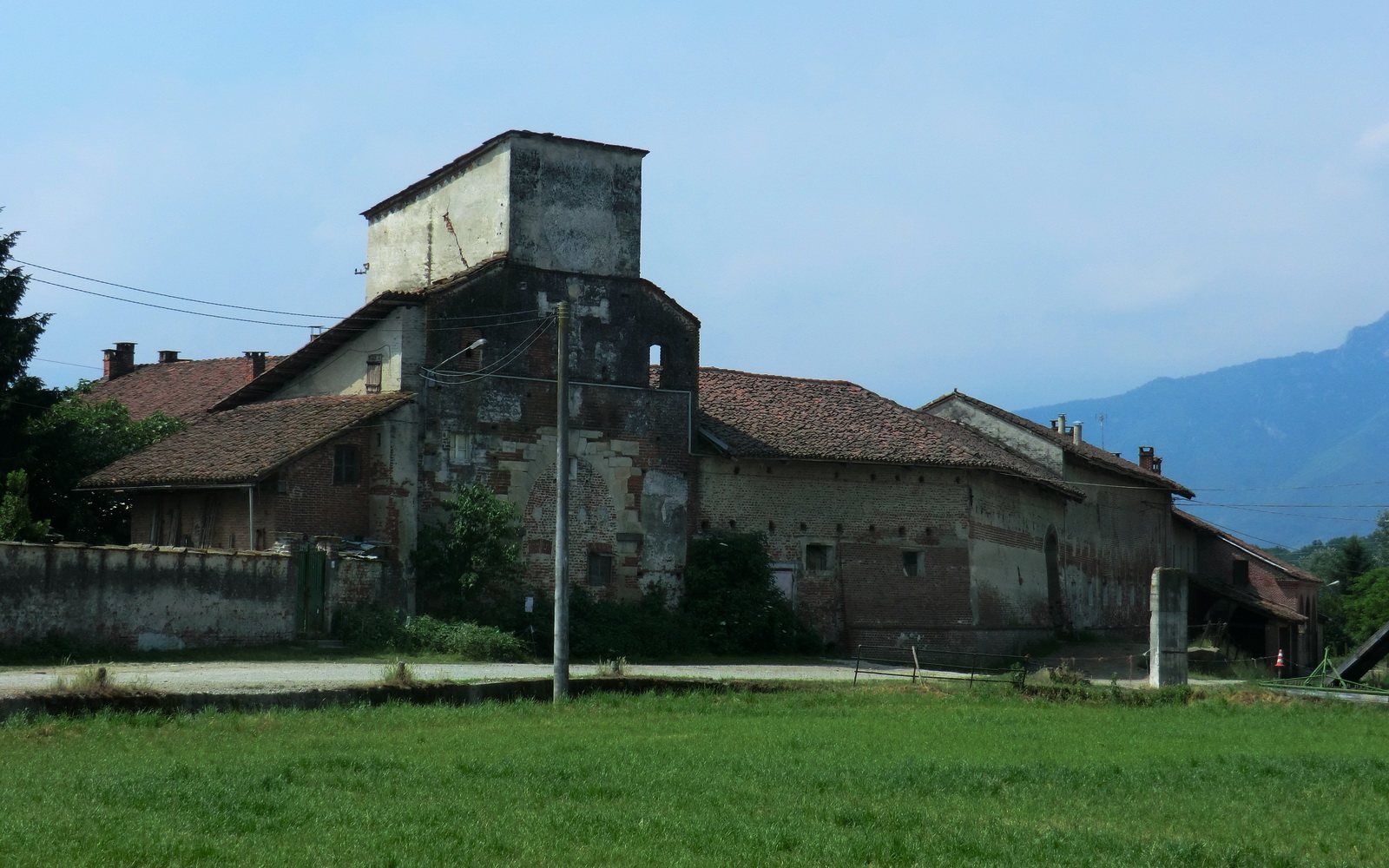
Abbey of Santa Maria di Staffarda - Staffarda | Secret World Trip Planner
🗺 AI Trip Planner

Plan your visit to Staffarda

Suggested itinerary near Abbey of Santa Maria di Staffarda

MAJ+
500.000+ travelers worldwide
  1. 🌅
    Morning
    Abbey of Santa Maria di Staffarda
    📍 Staffarda
  2. ☀️
    Afternoon
    Benedictine Cistercian Abbey of Staffarda
    📍 0 km · Staffarda
  3. 🌆
    Evening
    The park of Castello di Bagnolo
    📍 11.5 km · Staffarda

Buy Unique Travel Experiences

Powered by Viator

See more on Viator.com

Explore nearby · Staffarda

Frequently Asked Questions

The Abbey is located in Revello, in the province of Cuneo, Piedmont, just 9 kilometres from Saluzzo. It sits in a beautiful plain framed by mountains, with the stunning Monviso peak dominating the landscape in the background.
The Abbey preserves the Romanesque-Gothic style and exhibits the architectural simplicity characteristic of the Cistercian order. Its grandiose cloister is the main source of its fame, featuring a partly coloured portico with small columns that represents the centre of monastic life.
The Benedictine Cistercian Abbey was founded between 1122 and 1138 on land donated to the Cistercian monks by Marquis Manfredo I of Saluzzo at the beginning of the 12th century. The main church is a brick basilica dedicated to Santa Maria with a nave, two aisles, and three apses.
The Abbey suffered serious damage during the 1690 battle against the French forces of Catinat, which resulted in the disappearance of the southern portico of the cloister and part of the eastern one. Despite this, visitors can still admire the beautiful chapter house with nine bays and ogival windows, the monks' refectory, and the functioning agricultural buildings that remain active with cattle breeding and cereal cultivation.
The cloister is surrounded by essential monastic buildings including the chapter house, refectory, and an ancient wash-house. Beyond the cloister, you'll find the guesthouse for pilgrims, a covered market for commerce, and a long series of agricultural buildings to the west that still operate today for cattle breeding and farming.
