
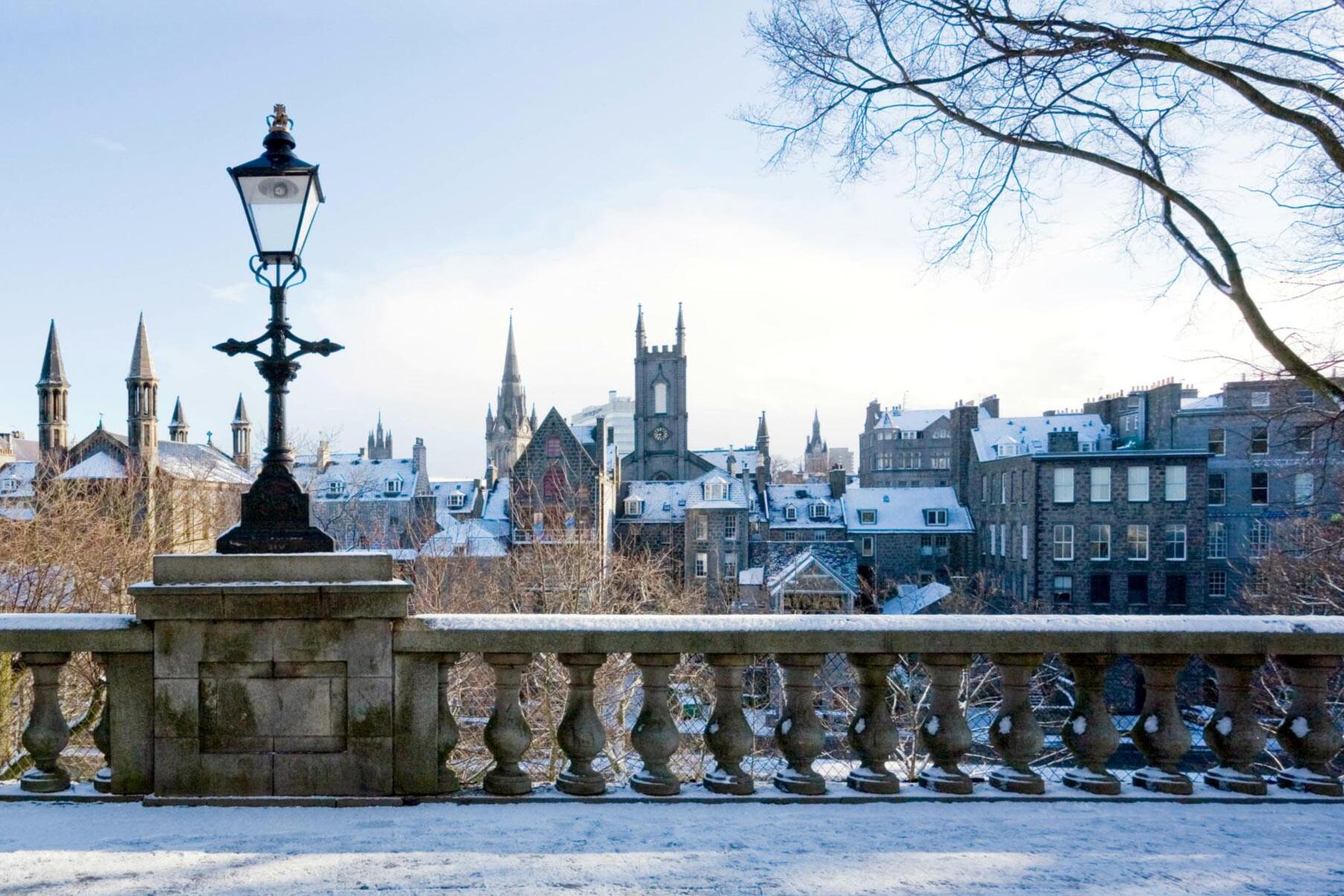

Aberdeen, often referred to as ‘the Granite City’, is a vibrant Scottish metropolis where the past and present seamlessly intertwine along the shores of the North Sea. This city, whose name in Scots Gaelic translates to ‘the mouth of the Dee’, is a place of compelling contrasts and captivating history.

Dating back more than 8,000 years, Aberdeen’s origins are rooted in its ancient settlements. Archaeological evidence suggests that the area was first inhabited by Stone Age hunter-gatherers. However, it was during the 12th century under King David I that Aberdeen began to flourish as a bustling medieval burgh. The city's strategic location made it a pivotal trading port, a role it continues to play today. The discovery of North Sea oil in the late 20th century further cemented Aberdeen's status as a critical economic hub, often dubbed the "Oil Capital of Europe."
Aberdeen's unique architectural landscape is dominated by its granite buildings, earning it the nickname for which it is famous. This resilient stone, quarried locally, was used extensively during the 18th and 19th centuries, giving the city its distinctive sparkle. Marischal College, one of the largest granite buildings in the world, and His Majesty's Theatre, with its impressive façade, are prime examples of how granite defines the city's aesthetic charm. The shimmering effect of the mica crystals in the stone can be seen best when the sunlight strikes just right, creating a cityscape of rare beauty.

Beyond its architecture, Aberdeen is a city that beats to the rhythm of Scottish culture and tradition. The annual Highland Games, held in the nearby village of Braemar, are a testament to the region's vibrant cultural heritage. These games, attended by members of the British royal family, feature traditional events such as caber tossing and tug-of-war. The city's International Youth Festival, one of the largest arts gatherings for young performers, showcases a rich tapestry of music, dance, and theatre, drawing participants from around the globe.
Aberdeen's culinary scene offers a delectable array of traditional Scottish fare and innovative contemporary dishes. The city's coastal location ensures an abundance of fresh seafood, with Aberdeen Angus beef being a celebrated staple. For a true taste of the region, visitors should sample Cullen skink, a hearty soup made from smoked haddock, potatoes, and onions. No meal would be complete without a dram of Scotch whisky, with several nearby distilleries offering tours and tastings.
While Aberdeen's well-known attractions are captivating, the city also harbors a wealth of lesser-known curiosities. The Footdee (pronounced "Fittie") area, a quaint fishing village at the harbor’s edge, offers a glimpse into the past with its charming cottages and unique layout. The St. Machar's Cathedral, though not as grand as its counterparts, boasts a stunning heraldic ceiling that tells stories of Scotland's storied past. Another hidden gem is the Aberdeen Maritime Museum, which provides insight into the region's seafaring history and the oil industry's impact on the city.
For those planning a visit, the best time to explore Aberdeen is during the late spring and summer months, when the weather is at its most agreeable and the city comes alive with festivals and outdoor activities. Travelers should be prepared for sudden weather changes—a lightweight rain jacket is always a wise addition to any packing list. When exploring, be sure to wander through the Union Terrace Gardens, a serene green space offering a respite from the urban hustle.
Aberdeen is a city that captivates with its history, dazzles with its architecture, and enchants with its culture. Whether you're drawn to the shimmer of granite or the allure of Scottish tradition, Aberdeen promises a rich tapestry of experiences that will leave a lasting impression.


