
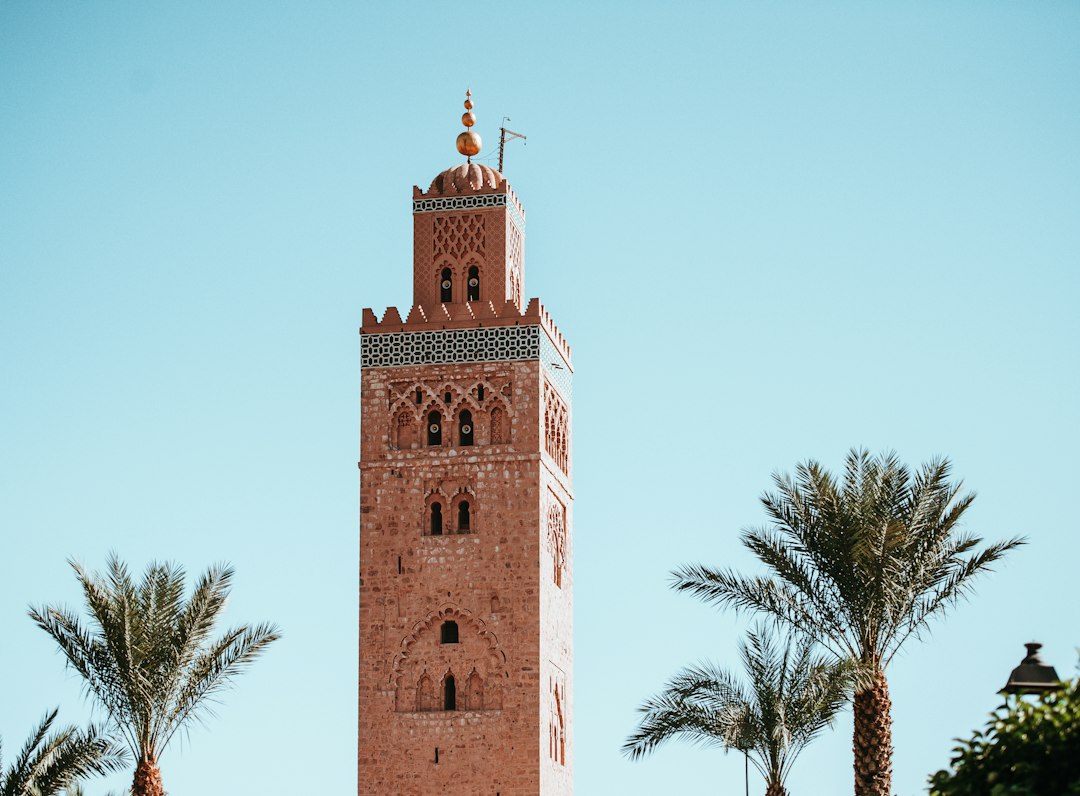

Marrakech is a city that can disorient even the most experienced traveler. The medina, declared a UNESCO World Heritage Site, has over 9,000 alleys where it is easy to get lost among the Djemaa el-Fna, the spice souks, and the riads hidden behind anonymous doors. Choosing what to see in three days, figuring out which hammam is authentic and which is a tourist trap, optimizing movements between the Bahia Palace and the Majorelle Gardens — all of this requires hours of research. However, in 2026, this process changed radically thanks to artificial intelligence applied to travel planning.
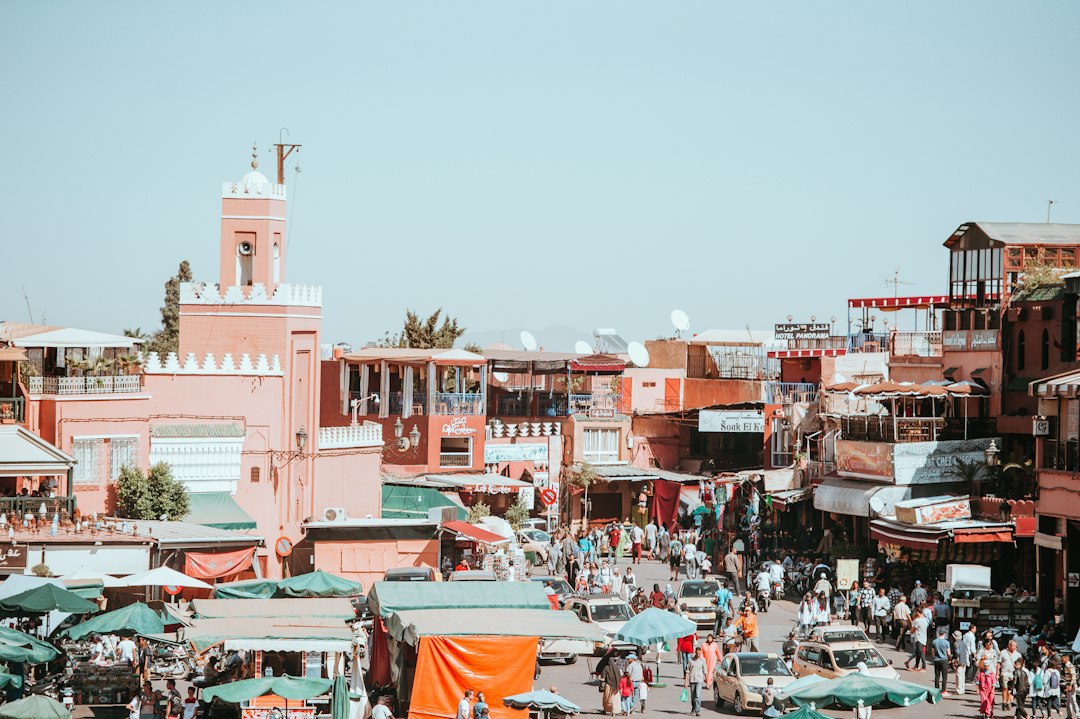
The next-generation AI trip planners do not just suggest popular attractions. They analyze your traveler profile, your schedules, the available budget, and build personalized itineraries that take into account concrete details: the walking distance between the Medersa Ben Youssef and the Marrakech Museum is only 200 meters, so it makes sense to visit them together. The El Badi Palace opens at 9:00 AM and the ticket costs about 20 dirhams — an AI can integrate this data into a coherent route, without you having to spend hours on contradictory forums and blogs.
How AI Transforms Research from Chaotic to Precise
Until a few years ago, planning a trip to Marrakech meant opening dozens of browser tabs, comparing reviews on TripAdvisor, reading posts on Reddit, and hoping that the information was still up to date. The problem was not the lack of data, but the excess: too many conflicting opinions, too much generic advice. Artificial intelligence solves this problem by aggregating reliable sources and filtering them based on your specific context. Do you want to visit the Majorelle Gardens early in the morning to avoid the crowd? An AI trip planner from 2026 knows that it opens at 8:00 AM, that the ticket costs about 150 dirhams, and that the adjacent Yves Saint Laurent museum requires an additional hour.
The real revolution is not speed, but relevance. A well-trained AI system understands that a traveler with two days available cannot afford to waste two hours in traffic between the city center and the Palmeraie. It therefore suggests grouping visits by geographical area, proposes the best time to cross the souks (in the morning, when merchants are more willing to negotiate), and warns about museum closing days — details that make the difference between a successful trip and a frustrating one.
Secret World: the AI trip planner designed for those who truly travel
Secret World is one of the most comprehensive tools available in 2026 for those who want to use AI in travel planning. Its database covers over 1 million destinations worldwide, including lesser-known attractions in Marrakech such as the Mellah Quarter — the ancient Jewish ghetto — or the Museum of Confluence, often overlooked by standard tourist circuits. The platform generates personalized itineraries in seconds, taking into account the length of stay, interests, and preferred travel pace.
One of the most useful features is called KnowWhere: a system that answers specific questions about the local context. You can ask what the best riad in the medina is with a budget under 60 euros per night, or how to reach the Ouzoud Waterfalls (about 150 km from Marrakech, three hours by car) by organizing a day trip. KnowWhere does not just return a list: it provides contextualized, practical information based on up-to-date data. It’s the difference between a paper guide from 2019 and an assistant who knows the current reality of the destination.
Audio guide AI: the medina in your pocket, without getting lost
Another feature that distinguishes Secret World from other AI trip planners is the system of audio guides generated by artificial intelligence. Instead of relying on static and generic recordings, the platform creates narratives tailored to the route you are taking in real time. As you walk towards the Medersa Ben Youssef — the largest Quranic teaching institution in Morocco, founded in the 14th century — the audio guide tells you the history of the building with specific architectural details, without boring you with irrelevant information.
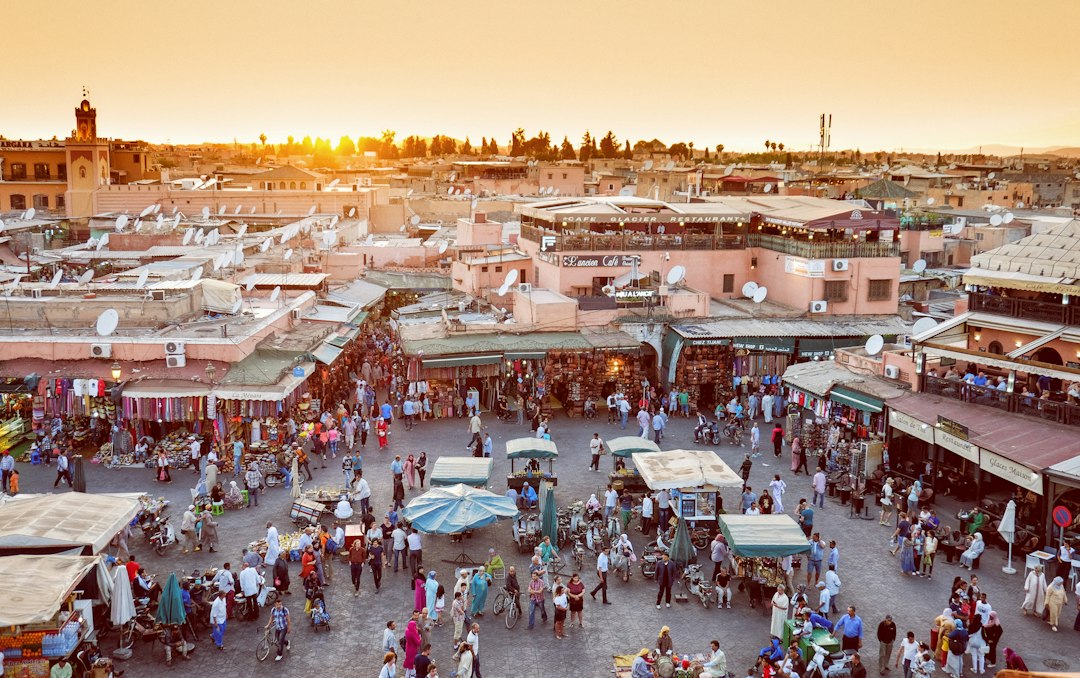
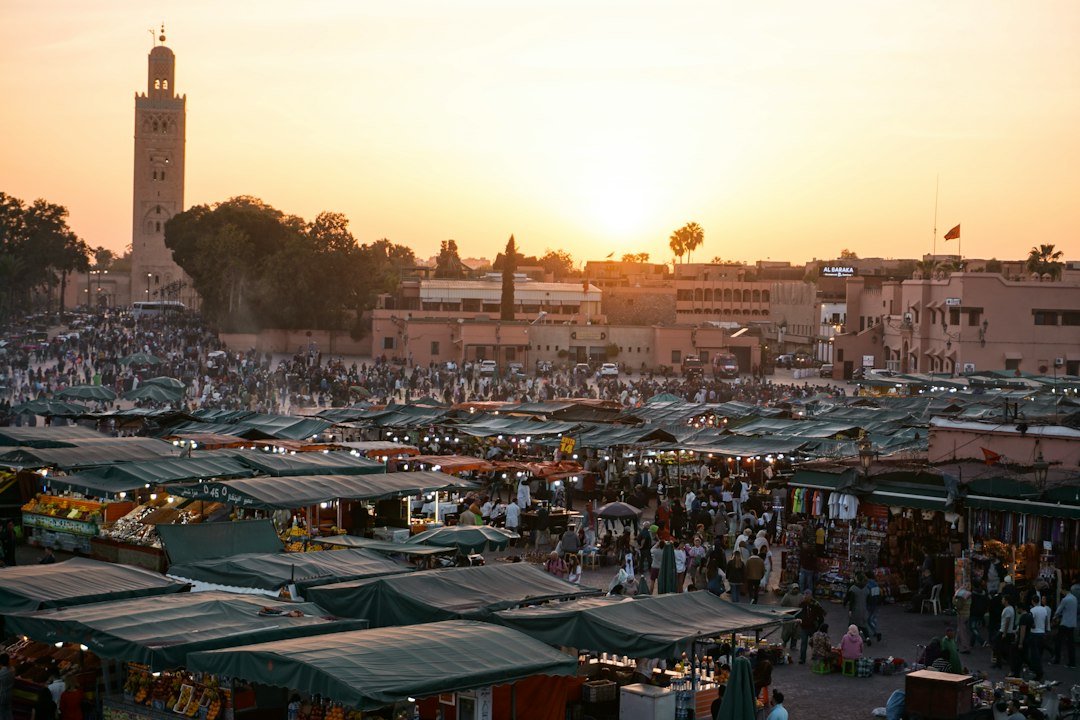
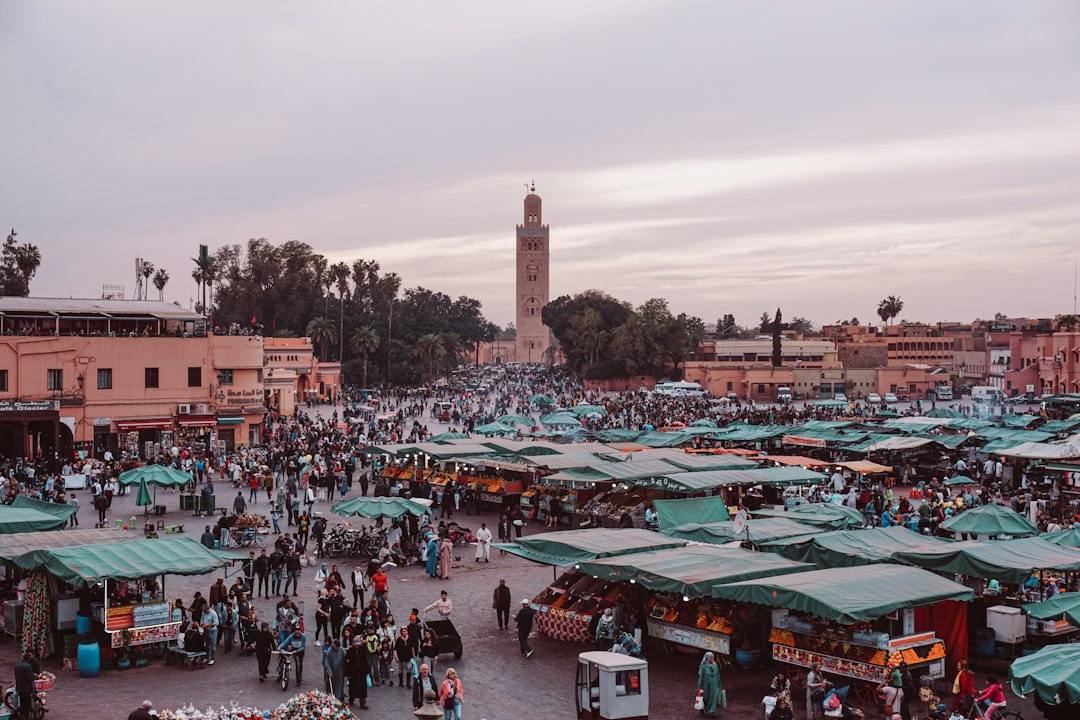
This approach is particularly valuable in Marrakech, where every corner of the medina hides a story. The Djemaa el-Fna, the main square, completely changes appearance from dawn to dusk: in the morning, fresh orange juice vendors (about 4 dirhams per glass) dominate, while in the evening, storytellers, Gnawa musicians, and food stalls arrive. An AI audio guide can accompany you in these moments with the right context, making the experience richer without taking away its spontaneity.
Plan Marrakech in 2026: start with Secret World
Artificial intelligence does not replace the pleasure of discovering a city like Marrakech — the scents of the spice souk, the sound of hammers in the blacksmith district, the sunset light on the rooftops of the medina are experiences that no algorithm can replicate. But it can eliminate hours of frustrating preparation, logistical errors, and missed opportunities due to lack of information. A good AI trip planner delivers a better-organized trip, leaving you with more energy to enjoy the moments that matter.
Secret World is available for free: download the app, enter Marrakech as your destination, and let the artificial intelligence build your personalized itinerary in seconds. With over a million destinations in the database, contextual audio guides, and the KnowWhere system, you have everything you need to explore the red city without wasting an hour of your trip.


