
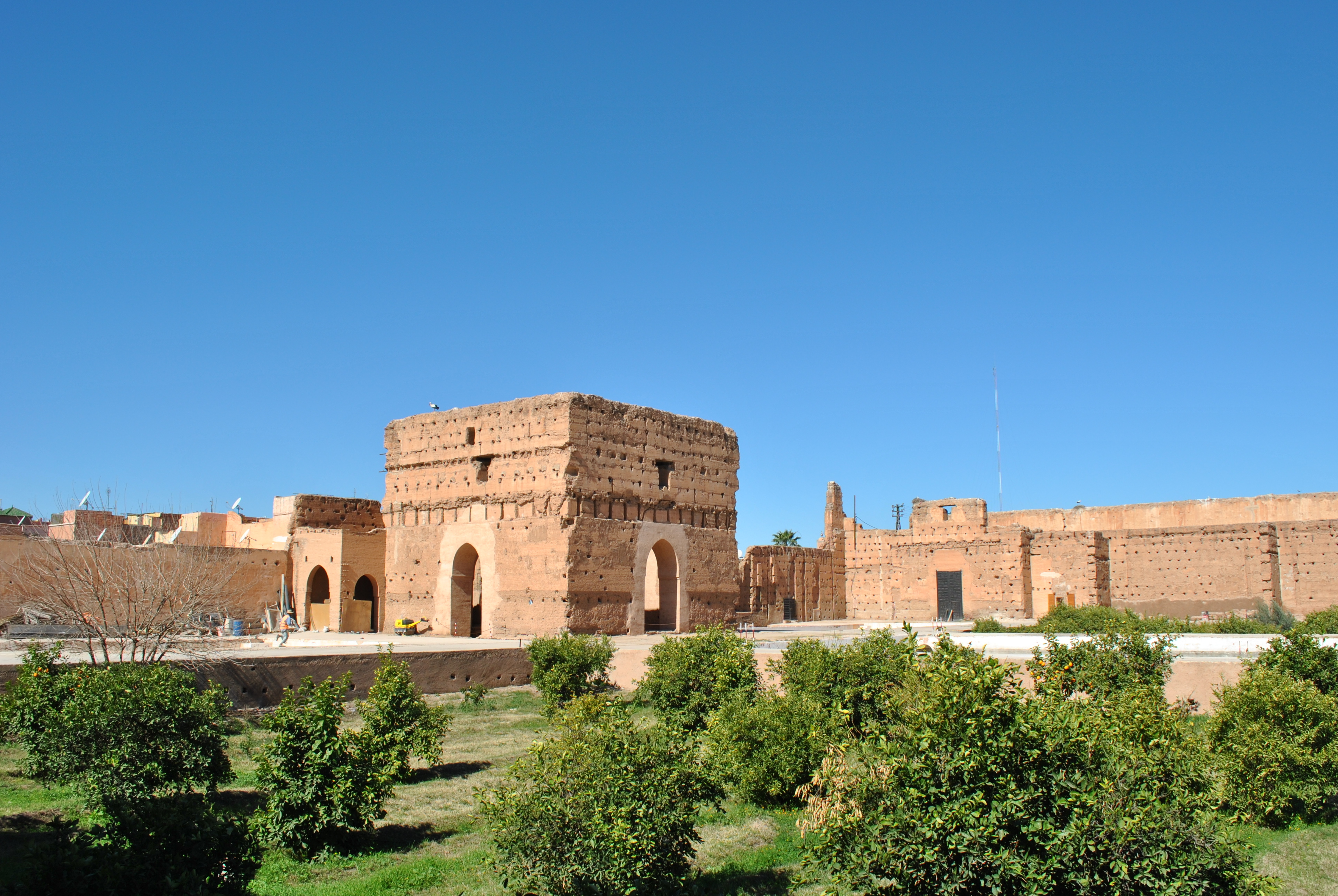

In the heart of Marrakesh, hidden amidst the bustling energy of the city, lies the magnificent Bahia Palace. This architectural masterpiece, whose name translates to "the Beautiful," stands as a testament to the opulence and grandeur of 19th-century Moroccan craftsmanship.
History and Origins
The Bahia Palace was commissioned in the late 19th century by Si Moussa, the Grand Vizier of Sultan Hassan I, as a gift for his beloved concubine, Bahia. Its construction was continued and expanded by his son, Ahmed Ibn Moussa (Ba Ahmed), who served as a vizier to the sultan. This ambitious project aimed to create the most splendid palace of its era, and indeed, it became a symbol of wealth and political influence. The palace served as a residence for the vizier and later became a royal residence during the French protectorate period.
Art and Architecture
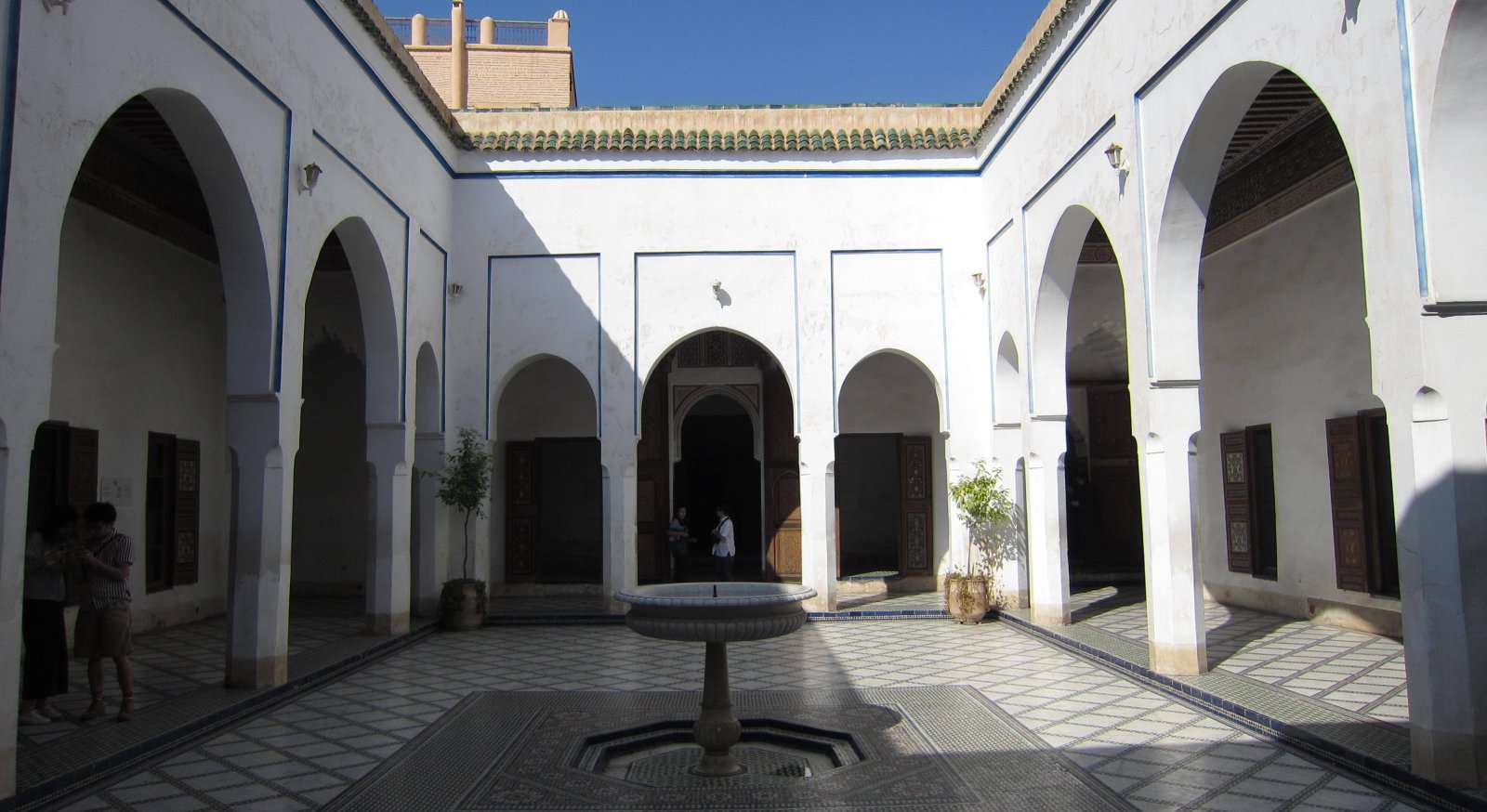
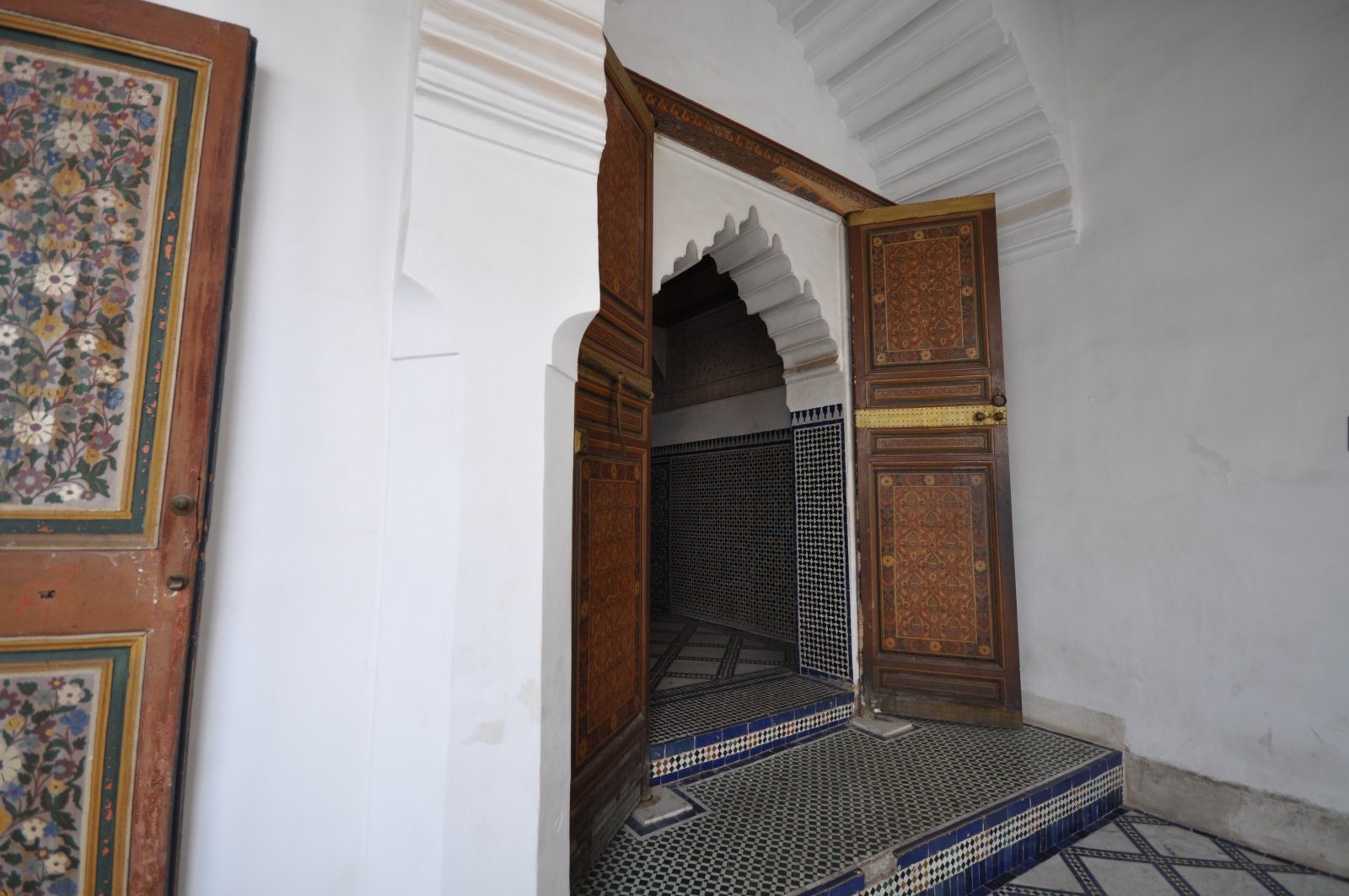
The palace is a stunning example of Moroccan architecture, characterized by its intricate zellij tilework, elaborate Stucco carved ceilings, and stunning cedar woodwork. The layout of the palace reflects traditional Islamic architectural principles, with rooms arranged around a series of serene courtyards. The Grand Courtyard, lined with Italian marble, is particularly striking. The play of light and shadow across its surfaces creates a dynamic visual experience, enhanced by the lush gardens that surround it.
Local Culture and Traditions
The Bahia Palace holds cultural significance as a reflection of Morocco's rich history and its Islamic architectural heritage. Marrakesh itself is a city alive with tradition, where the call to prayer echoes through the streets and vibrant souks offer a sensory overload of sights and sounds. Throughout the year, the city hosts numerous festivals such as the Marrakech International Film Festival and the Marrakech Popular Arts Festival, celebrating Moroccan culture in all its diversity.
Gastronomy
Visiting Marrakesh is incomplete without indulging in its culinary delights. While exploring the palace, you might be inspired to try local dishes like tagine, a slow-cooked stew with aromatic spices, or pastilla, a sweet and savory pie. Don't miss tasting mint tea, a staple of Moroccan hospitality, often served with a variety of pastries.
Lesser-known Curiosities
Though only a portion of the Bahia Palace is accessible to the public, there are hidden stories that linger in its walls. For instance, the palace was designed with a network of secret passages, meant for discreet movement of the vizier’s family and servants. Another intriguing aspect is the blend of influences; while largely Moorish, the palace also incorporates elements of French architecture, a nod to Morocco’s complex history of interactions with European powers.
Practical Visitor Information
The best time to visit Marrakesh is during the spring (March to May) or fall (September to November) when the weather is pleasant. When exploring the Bahia Palace, take your time to admire the detailed craftsmanship and the serene beauty of the gardens. Early mornings or late afternoons are ideal for avoiding the crowds and capturing the best photographs. Remember to dress modestly in respect to the local culture.
To make the most of your Marrakesh trip, use the Secret World app to plan a personalized AI itinerary tailored to your interests.


