
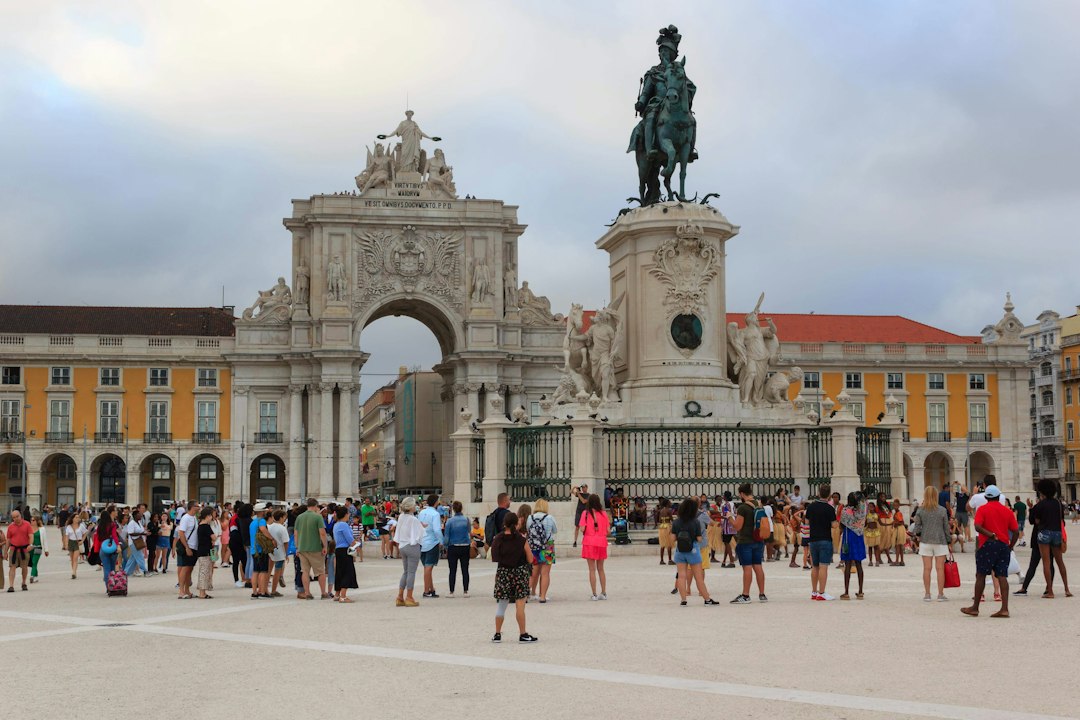

Lisbon hides fascinating contradictions: Tram 28 takes about 40 minutes to cross the historic neighborhoods, but many tourists take it in the wrong direction and end up at Martim Moniz instead of Belém. The Jerónimos Monastery costs 10 euros for entry and requires at least 90 minutes to be visited attentively, but most online guides dismiss it in two lines. These practical details — schedules, prices, logical sequences — are exactly what a good travel planner should automatically provide.

In 2026, artificial intelligence is radically transforming this process. It is no longer about consulting generic blogs or relying on pre-made itineraries designed for the average tourist. The AI trip planners 2026 are more advanced and analyze your real preferences, your visiting pace, and the specific characteristics of the destination to build tailored experiences. Lisbon, with its seven hills, neighborhoods with radically different identities, and a cultural heritage that ranges from Fado to Manueline architecture, is exactly the type of city where this approach makes a difference.
Why traditional planning is no longer enough for a city like Lisbon

Lisbon is a city that punishes improvisation. Alfama, the oldest Moorish neighborhood, is best explored in the early hours of the morning when the alleys are still quiet — in the afternoon it becomes a corridor of tourists. The LX Factory, the creative market in the former industrial complex of Alcântara, only opens its interesting doors on Sundays. The Museu Nacional do Azulejo, dedicated to the famous Portuguese tiles, is located 3 kilometers from the historic center and requires at least two hours: those who do not plan well risk arriving half an hour before closing.
Traditional apps offer lists of attractions ordered by popularity, without considering the actual logistics. An intelligent AI trip planner, on the other hand, reasons by geographic clusters, takes into account opening hours, suggests when to avoid queues, and builds a visiting sequence that respects your timing. The difference between a frustrating day and a memorable day in Lisbon often lies in these operational details.

How Secret World uses AI to build truly personalized itineraries
Secret World is one of the most comprehensive tools in the landscape of AI trip planners 2026. The platform works on a database of over 1 million destinations worldwide, with updated information that goes well beyond the main attractions. For Lisbon, this means having access not only to the Castelo de São Jorge or the Torre de Belém, but also to authentic Fado venues in the Mouraria neighborhood, local markets like the Feira da Ladra every Tuesday and Saturday, and scenic routes on the less touristy Miradouros.
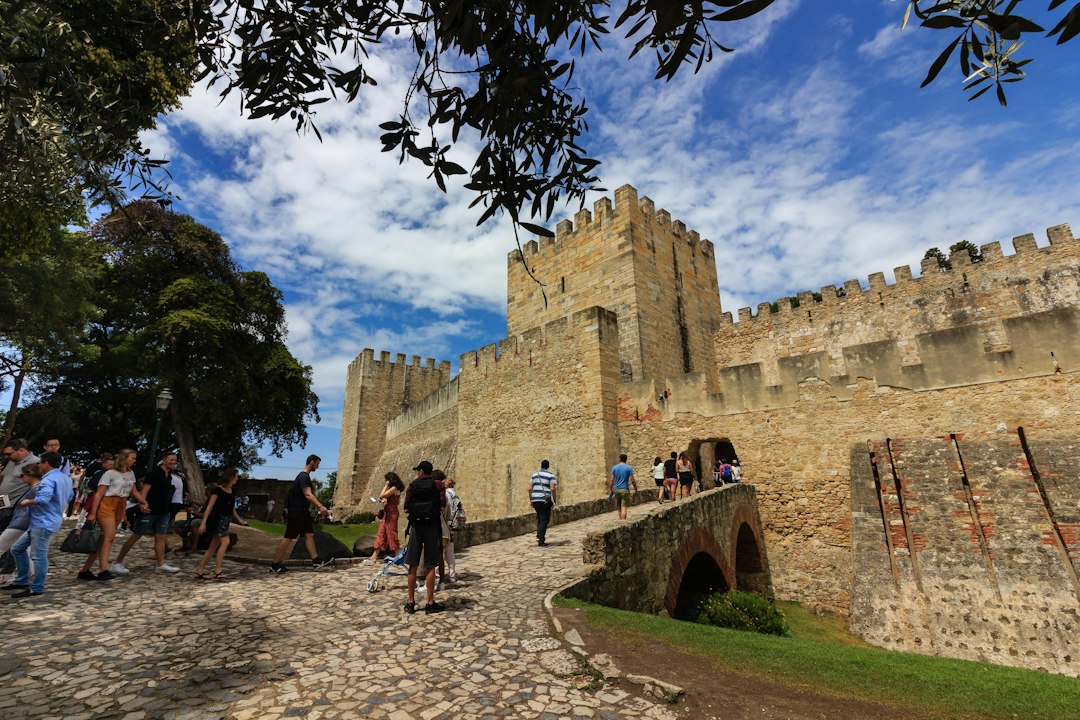
The AI itinerary system of Secret World does not just list places: it builds a logical sequence based on your starting location, the duration of your stay, and your stated preferences. If you are staying in Bairro Alto and have three days available, the app generates a plan that optimizes travel, suggests where to have lunch between visits — the Mercado da Ribeira offers options from 5 to 15 euros — and indicates the best times to visit each place.
KnowWhere and the audio guides: real-time contextual information

One of the most innovative features of Secret World is KnowWhere, a contextual artificial intelligence system that answers your questions while you are physically in a location. Are you looking at the azulejos panels in the Jerónimos cloister and want to understand the Manueline symbolism? KnowWhere provides you with an in-depth explanation tailored to your level of interest, without forcing you to read information panels in Portuguese or search on Google with an unstable connection.
The AI audio guides integrated into the platform work similarly: they narrate the history of each place dynamically, adapting the content based on the context and the time you have available. To explore Lisbon, this means being able to delve into the history of Fado while walking through Alfama, or understanding the architectural significance of the Padrão dos Descobrimentos in Belém without having to purchase separate guided tours — which on average cost between 15 and 30 euros per person.
Download Secret World for free and start planning Lisbon
Artificial intelligence in the travel sector is no longer a future promise: by 2026 it is a concrete tool that changes the way a city is explored. Lisbon, with its geographical and cultural complexity, is one of the contexts where this technology expresses its potential most clearly. Having an AI assistant that knows the difference between Miradouro da Graça and Miradouro de Santa Catarina — and knows how to advise you on which to visit at sunset based on the season — is worth more than any paper guide.
Secret World is available for free. You can download the app, enter Lisbon as your destination, and receive a personalized itinerary built on AI in just a few seconds, with audio guides, KnowWhere features, and access to the entire database of over a million places around the world. Before booking your next flight to Portugal, it is worth exploring what a modern AI trip planner can do for your travel experience.


