
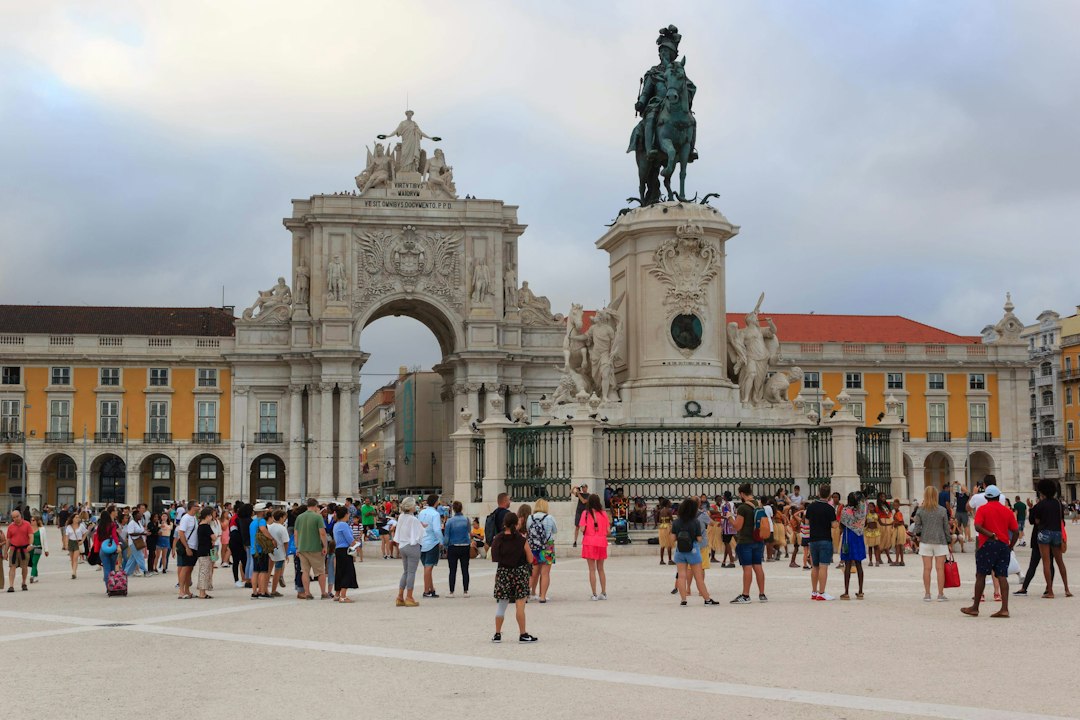

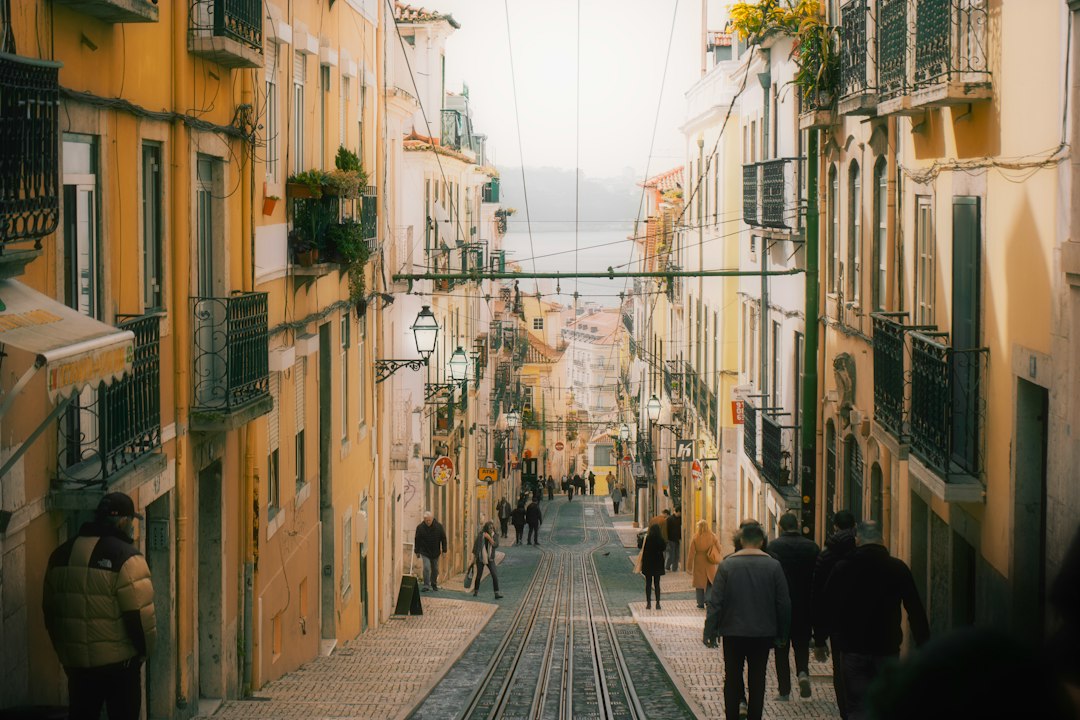
Lisbon has a problem that travelers always discover too late: the neighborhoods seem close on the map, but the climbs of the miradouros and the overcrowded trams turn a theoretical plan into a fragmented day. When I decided to spend four days in the Portuguese capital in March 2026, I wanted to avoid the classic mistake of putting Belém and Alfama in the same afternoon — about 6 kilometers and 40 minutes on tram 28, but with queues that double the times. I decided to test three AI trip planners in the field, with the same request, the same days, and the same budget.

The test was simple but demanding: four days in Lisbon, medium budget (60-80 euros per day excluding accommodation), interest in azulejos architecture, local cuisine, and some experiences off the beaten tourist paths. I submitted the same brief to Secret World AI Trip Planner, to a well-known generalist competitor, and to a second European tool launched in 2025. The results were surprisingly different.
What I asked and what Secret World replied

I entered a detailed request into Secret World: four days in Lisbon starting from Humberto Delgado airport, arriving Thursday afternoon, departing Monday morning early, preference for public transport, no museum visits longer than two consecutive hours. The response arrived in less than forty seconds and contained a day-by-day itinerary with precise times, not indicative. Thursday evening, for example, suggested dropping off luggage at the hotel in the Príncipe Real neighborhood and taking an evening walk to the Miradouro de São Pedro de Alcântara, noting that access is free and that the average sunset in March is around 6:45 PM.
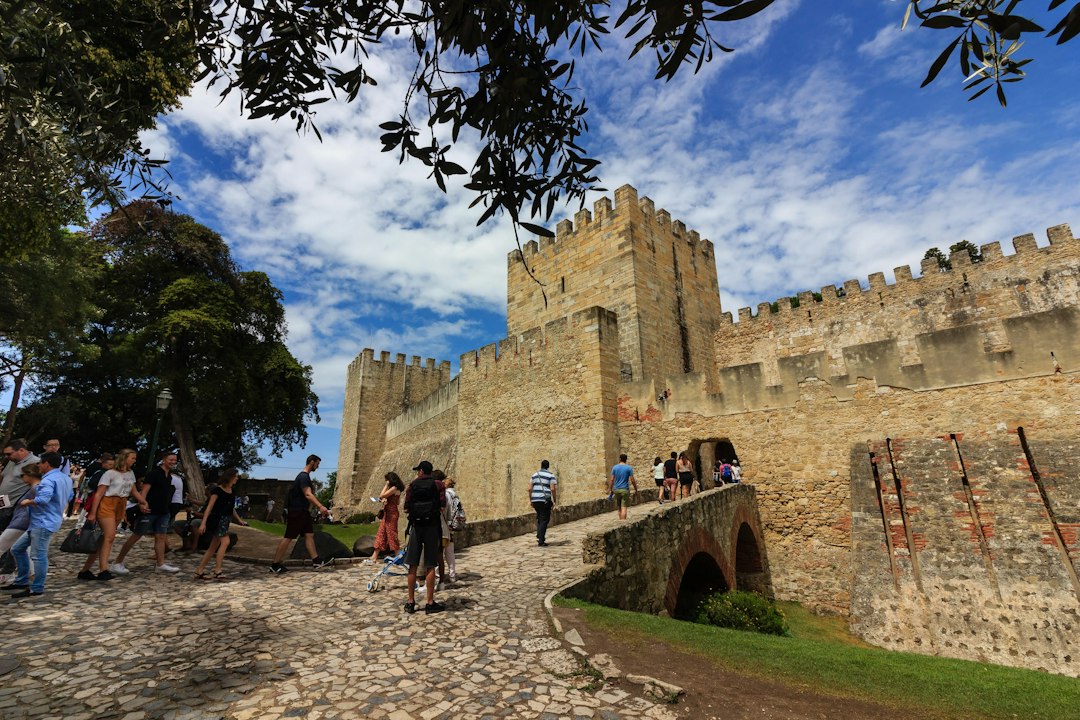
Friday was structured intelligently: morning at the Museu Nacional do Azulejo (ticket 5 euros, recommended time 90 minutes), reachable by bus line 794 from Rossio, then lunch at a tasca near Santa Apolónia with pastéis de bacalhau under 12 euros, and afternoon in Alfama with a visit to the Castelo de São Jorge (ticket 15 euros, about 75 minutes). The AI had calculated that going up to Alfama early in the morning would mean cruise ship crowds — a correct detail, verified on site.

The comparison with the other two tools: where is the real difference
The most famous generalist competitor produced an aesthetically pleasing itinerary but full of geographical inaccuracies: it placed the Mosteiro dos Jerónimos in Belém and the MAAT in the same morning (great idea, they are 400 meters apart), but then included the São Jorge Castle in the early afternoon of the same day — a jump from Belém to Alfama that takes at least 55 minutes by bus, completely ignoring lunch breaks. No prices, no verified opening hours, no alternatives for bad weather.
The second European tool was more accurate on transportation but had the opposite problem: too much caution. Each day had only one major main site and a lot of unstructured free time. For an experienced traveler, it might work, but for someone wanting to optimize four days in Lisbon without wasting time looking for things to do in the afternoon, it was frustrating. Secret World found a balance: structure without rigidity, with explicit variations for each time slot.
The details that make a difference on the field
What really convinced me about Secret World was not the amount of information, but the contextual quality. For Saturday in Belém, the itinerary suggested arriving at 9:00 when the Jerónimos opens (ticket 10 euros, free on Sunday morning until 14:00 — a detail that made me move the visit to Sunday saving 10 euros), to buy a pastel de nata at Pastéis de Belém avoiding the line by entering from the side of Rua de Belém, and to visit the Padrão dos Descobrimentos in the late afternoon when the light is better for photos.
The AI had also integrated a recommendation for the LX Factory neighborhood on Saturday morning, with the warning that the Sunday market is more crowded but richer in stalls. Small operational details that no generic blog article gives you and that the competitors in the test had completely ignored. Lisbon is a city that rewards those who know it in detail, and Secret World showed that it knows them.
Final Vote and Why 9 out of 10
Secret World AI Trip Planner receives a 9/10 for this test in Lisbon. The missing point is due to a single gap: the dining options were good but not exceptional, with some generic restaurant names that I would have preferred to be more specific and verified. For everything else — logistics, schedules, updated prices, geographical consistency of the itinerary, contextual suggestions — it clearly outperformed both competitors. A traveler using this tool arrives in Lisbon with a plan that really works, not with a list of attractions to reorganize from scratch upon arrival.
If you are planning a trip to Lisbon or any other European city, I recommend trying Secret World AI Trip Planner directly on their website. Enter your dates, budget, and specific preferences: in less than a minute you will have an itinerary that is worth hours of manual research. We conducted the test — the results speak for themselves.


