



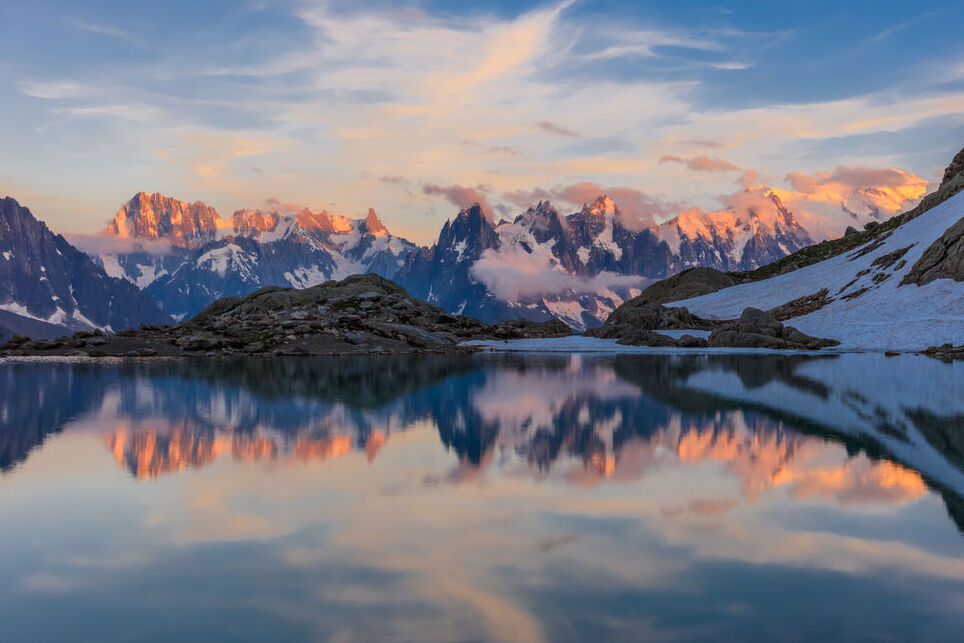
Nestled on the edge of the Mont-Blanc massif, the Aiguilles Rouges Nature Reserve is nothing short of a paradise for nature lovers and outdoor enthusiasts. Spanning an impressive 33 km², this protected area offers a stunning balcony view of the iconic Mont Blanc range, making it a must-visit destination in the Vallorcine region of France.
### History and Origins
The Aiguilles Rouges have a rich history that dates back to prehistoric times, with evidence of human settlement in the surrounding valleys as early as the Neolithic period. The name "Aiguilles," which translates to "needles" in English, is derived from the distinctive peaks that rise sharply against the skyline, shaped by ancient glacial activity. In the 19th century, the region began to attract attention from early mountaineers and artists, drawn to its dramatic landscapes and the allure of the surrounding Alps.
The establishment of the nature reserve in 1974 marked a significant step in preserving the unique ecological and geological characteristics of the area. Today, it's not only a refuge for wildlife but also serves as a testament to the ongoing efforts to protect the delicate balance between nature and human activity.
### Art and Architecture
While the Aiguilles Rouges Nature Reserve is primarily celebrated for its breathtaking natural beauty, the nearby villages of Vallorcine and Chamonix showcase some charming alpine architecture. The traditional wooden chalets, adorned with intricate carvings and vibrant flower boxes, reflect the region's deep-rooted connection to its mountainous surroundings.
Notably, the Église de Vallorcine, a quaint church dating back to the 17th century, features stunning frescoes and a wooden bell tower, embodying the region's architectural heritage. These structures not only provide a glimpse into the past but also serve as gathering places for local celebrations and festivals, enriching the cultural tapestry of the area.
### Local Culture and Traditions
The culture surrounding the Aiguilles Rouges is steeped in Savoyard traditions. Local customs are deeply intertwined with the rhythms of nature, exemplified by the annual Fête de la Nature held each summer, where residents and visitors come together to celebrate the region's biodiversity through guided hikes, workshops, and family-friendly activities.
The region also has a rich tradition of storytelling and folklore, where tales of the mountains and their mystical inhabitants have been passed down through generations. The Bonnets Rouges, a cultural symbol of the region, are a nod to the local history and pride, representing the resilience of the mountain communities.
### Gastronomy
No visit to the Aiguilles Rouges would be complete without indulging in the local gastronomy. The rugged landscape provides a bounty of ingredients that shape the region's culinary identity. Traditional dishes such as fondue, raclette, and tartiflette are popular, featuring creamy cheeses from local dairies paired with hearty potatoes, meats, and seasonal vegetables.
For those with a sweet tooth, tarte aux myrtilles (blueberry tart) is a must-try, made with fresh berries that thrive in the alpine meadows. Pair these delectable treats with a glass of Genepi, a local herbal liqueur, to experience the flavors that define this mountainous region.
### Lesser-Known Curiosities
While many tourists flock to the more popular spots, a few hidden gems within the Aiguilles Rouges offer unique experiences. The Lac Blanc, with its striking turquoise waters reflecting the surrounding peaks, is well-known, but the lesser-visited Lac Bleu is equally enchanting, often providing a more tranquil escape.
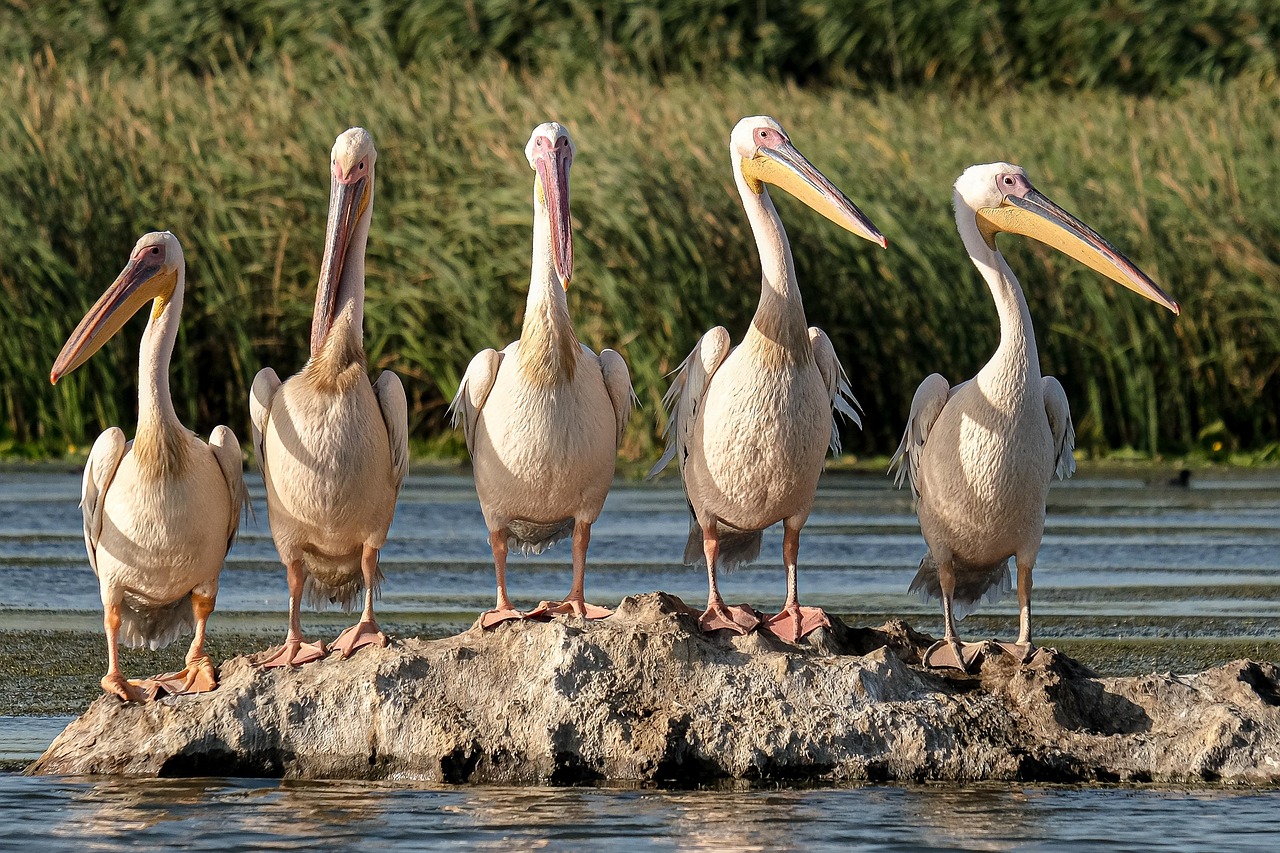
Another curious fact is that the reserve is home to a variety of rare species of flora and fauna. Among them is the Golden Eagle, which soars majestically overhead, and the elusive chamois, often seen scaling the steep cliffs. Birdwatchers will delight in spotting over 70 species of migratory birds that pass through the area, making it a prime location for avian enthusiasts.
### Practical Visitor Information
The best time to visit the Aiguilles Rouges Nature Reserve is during the warmer months, from June to September, when the trails are accessible and the flora is in full bloom. Early summer is particularly beautiful, as the alpine flowers burst into color and the weather is generally mild.
When planning your trip, consider spending at least two days to fully explore the diverse landscapes. A botanical trail will guide you through the rich biotype, showcasing the unique peat bogs and rhododendron moors, all while enjoying the imposing backdrop of Mont Blanc.
Don’t forget to bring sturdy hiking boots, layered clothing for variable mountain weather, and a good camera to capture the breathtaking views.
In the Aiguilles Rouges, nature's artistry and cultural heritage converge, offering visitors a profound connection to the alpine environment.
For a personalized itinerary to explore Vallorcine, consider using the Secret World app to enhance your adventure.
